Iranian Resilience: Survivor Shares Hope Amidst Unrest
An Iranian man shared his perspective on national resilience amidst ongoing conflict, highlighting cultural richness and the pursuit of meaning over personal fear. He stated that caring about art, living, and human connection forms the core of their ability to endure hardship, even when suppressed by the regime.


Survivor’s Perspective Amidst Crisis
In a poignant conversation, an Iranian man, speaking under the shadow of nearly a thousand reported deaths, shared his unique perspective on the resilience of his people. Yasmin Vossoughian’s interview delved into the spirit that allows Iranians to endure and even find meaning amidst profound hardship and governmental suppression.
A Rich Cultural Tapestry
When asked what it is about Iranians that allows them to survive such difficult circumstances, the man pointed to a deep cultural richness. “We are culturally rich. Uh we are unified. We care about art. We care about living, laughing, dancing, listening to music, you know, everything that uh any human needs to just, you know, create meaning in their life,” he explained. This emphasis on the arts and the fundamental human desire for joy and connection, he suggested, forms a bedrock of their collective spirit, even when such expressions are suppressed by the current regime.
Finding Meaning in Suffering
The conversation turned to personal fear, with Vossoughian asking if he was afraid of dying. His response was striking: “Not anymore.” He elaborated on this profound shift in perspective, attributing it to his age and extensive experience with the current government. “I’m above 30 years old. Okay. I have experienced this regime. I have lost money financial issue issues with government regime in uh music festivals on the street with my girlfriend. I seen divorces. I seen fathers committing suicide. I see I have seen uh people suffering,” he recounted. This accumulation of personal and observed suffering has led to a reevaluation of his own life’s value.
Life Beyond Personal Survival
For him, the focus has shifted from mere personal survival to finding a meaningful existence. “For me, it’s like I don’t care anymore that much about my life as long as it’s meaningful.” He sees speaking out, engaging in conversations like the one with Vossoughian, as a way to imbue his life with purpose. “And this is one of the ways that like now I’m talking to you. This is one of the ways that I can make it meaningful.” This sentiment highlights a powerful human drive to create purpose, even in the face of immense adversity and personal risk, underscoring a deeper layer of resilience beyond mere physical survival.
Broader Implications of Cultural Endurance
The man’s words offer a glimpse into the psychological and cultural mechanisms that may be at play within societies experiencing prolonged periods of conflict or oppression. The emphasis on art, culture, and shared human experiences like laughter and music suggests that these elements are not mere luxuries but vital components of a community’s ability to withstand and persist. The personal transformation from fearing death to prioritizing a meaningful life, even through activism or public discourse, speaks to a universal human need for purpose that can transcend self-preservation instincts when faced with systemic suffering. This perspective challenges a purely survival-based understanding of resilience, instead framing it as an active process of meaning-making.
Looking Ahead
As the situation in Iran continues to unfold, the insights shared by this survivor offer a critical lens through which to understand the enduring spirit of its people. The ongoing struggle highlights the complex interplay between oppressive regimes and the deep-seated cultural values that can fuel resistance and sustain hope. Future developments will likely continue to be shaped by this powerful cultural identity and the individual and collective efforts to find and create meaning in challenging times.
Source: Yasmin Vossoughian talks with Iranian man on war survival (YouTube)

Related Articles


Trump’s DHS Pick Faces Scrutiny Amidst Iran Tensions
The Department of Homeland Security faces leadership turmoil as former President Trump nominates a new head amidst escalating Iran tensions. Lawmakers, including decorated veterans, express serious doubts about the nominee's competence and readiness for the critical role.
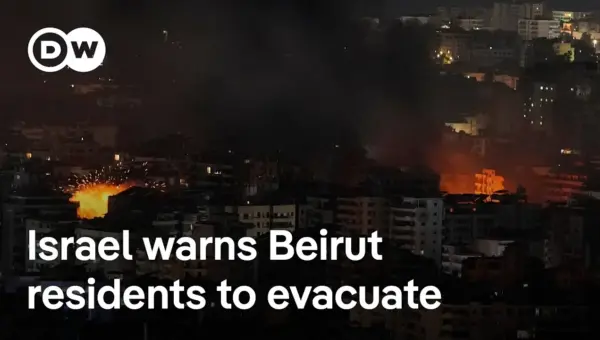
Israel Escalates Lebanon Offensive Amid Regional War Fears
Israel has intensified its military operations in southern Lebanon, escalating hostilities and prompting mass evacuation warnings in Beirut. The move signals a potential major ground offensive aimed at dismantling Hezbollah, raising fears of a wider regional conflict.


Trump Fires DHS Secretary Noem; Iran War Escalates
President Trump has fired Homeland Security Secretary Kirsti Noem amid mounting controversies, marking the first cabinet dismissal of his second term. Simultaneously, the war involving Iran has escalated, with its foreign minister exclusively telling NBC News that Iran does not seek a ceasefire and is prepared to confront any ground troops, while denying direct attacks on neighboring Muslim countries.