Iranian Dissident’s ‘Mixed Reaction’ to Soleimani Strike
A retired Iranian opposition leader shared his 'mixed reaction' to the U.S. strike that killed General Qassem Soleimani, grappling with anti-war principles and a desire to see the regime overthrown. While celebrating the death, he expressed reservations about the act of war itself.

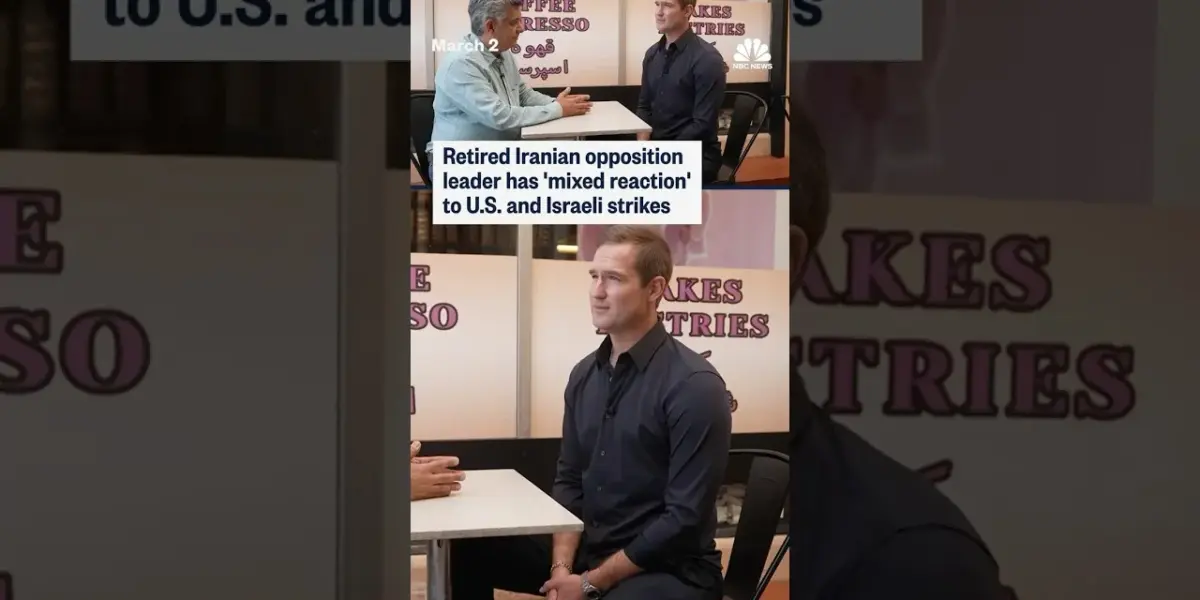
Iranian Dissident Reveals Complex Feelings on Soleimani Killing
The targeted killing of Iranian General Qassem Soleimani by a U.S. drone strike in January 2020 elicited a complex and deeply personal reaction from a prominent Iranian opposition figure, who described it as a “mixed reaction.” The dissident, a former leader of the 1999 student uprising in Iran and a recipient of a death sentence from the Islamic Republic, found himself at a moral crossroads, balancing a lifelong opposition to the regime with a strong anti-war stance.
A Personal Vendetta Meets Anti-War Principles
Speaking about the events, the opposition leader explained the inherent conflict in his feelings. “In general, I am one of the leaders of the student uprising in 1999. I have a death sentence from the Islamic Republic. But at the same time, my entire life I was trying to overthrow this regime and also I was an anti-war activist. So, that’s a very complicated scenario for me as a person to always be opposed to war and to try to overthrow this regime. That’s a little complicated for me.”
The dissident emphasized his aversion to violence and loss of life, regardless of nationality. “Because I don’t like to see any war. I don’t like to see any civilian get killed. I don’t like to see any American service member get killed. I don’t want to see Iraq or Afghanistan or Libya repeated. I don’t want to see someone like the Chelafi trap the US again.” This statement highlights a deep-seated commitment to peace and a desire to avoid further geopolitical conflicts that result in human suffering.
The Moment of Confirmation and Celebration
The initial news of Soleimani’s death was met with shock, as the dissident waited for confirmation from reliable sources. “When I heard the news, the first thing I was in shock because the sources they said that that was not for me. The sources I could trust until President Trump put it on his own Truth Social.” The official confirmation from then-President Donald Trump shifted the dissident’s emotional state dramatically.
Upon hearing the confirmation from the highest U.S. authority, the dissident’s feelings transformed into elation. “So I said if the president said that’s his death, then I start celebrating the death of the comedy. I was super excited. That was the time I felt like that’s the best moment of my lifetime and I get super excited.” This intense joy was expressed through immediate action: “And one of the first reactions, I grabbed a bottle of champagne and opened the champagne. That was the first thing I did.” The act of opening and consuming an entire bottle of champagne underscored the magnitude of the moment for the opposition leader.
Broader Implications and National Reaction
While the personal celebration was significant, the dissident acknowledged that the impact of Soleimani’s death reverberated throughout Iran. “In January, everything changed. Not only for me, I think for the entire nation after he killed 40,000 people in 48 hours.” This statement alludes to the perceived brutality of the regime and the potential for the killing to catalyze further dissent, although the specific figures and timeline require further substantiation from broader reporting.
The killing of Soleimani, a powerful figure in Iran’s military and intelligence apparatus, was seen by many in the opposition as a potential turning point. The dissident noted, “And the protests began. Yes. And I think that was the best outcome we could imagine from this scenario which in general, in the larger part, I don’t agree with.” This indicates that while the outcome of increased protest and internal turmoil within Iran was viewed positively by the opposition, the method of achieving it—a targeted killing—remained a point of contention due to his anti-war convictions.
Looking Ahead
The complex emotions surrounding Soleimani’s death highlight the deep divisions and long-standing animosity between the Iranian regime and its opposition, as well as the United States. As geopolitical tensions continue to evolve in the Middle East, the long-term consequences of this targeted strike and the potential for further escalation or de-escalation remain critical areas to monitor. The internal dynamics within Iran, particularly the possibility of renewed or intensified protests, will also be a key factor in understanding the future trajectory of the region.
Source: Retired Iranian opposition leader has 'mixed reaction' to U.S. and Israeli strikes (YouTube)

Related Articles

Israel’s Offensive Crushes Iran’s Military Might
Israel has launched an extensive new offensive targeting Iran's military infrastructure, including missile launch sites and IRGC facilities. Reports indicate Iran's missile capabilities are significantly depleted, potentially forcing a strategic shift. The conflict also sees possible Kurdish ground involvement, while disinformation remains a key battleground.
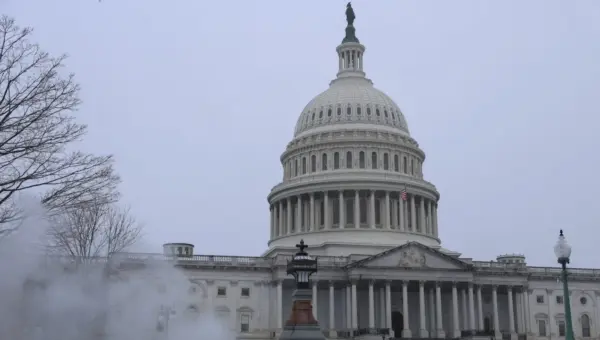
Senate Rejects Iran War Powers Bill, Ceding Authority
The Senate has voted down a resolution that would have required President Trump to seek congressional approval for further military action against Iran. The failure of the bill highlights a continued deference to executive authority in foreign policy, with a House vote expected soon. The administration may also seek additional funding for ongoing operations.

Military Might or Madman’s Musings: Decoding Hegseth’s Iran Rhetoric
Pete Hegseth's aggressive rhetoric on Iran drew sharp criticism, highlighting the disconnect between hawkish posturing and public sentiment. The analysis explores the implications of his 'GI Joe' style pronouncements in the current geopolitical climate.