Iranian-American Comedian Uses Humor to Bridge Divides
Iranian-American comedian Max Amini is using his sold-out shows and growing platform to foster understanding amidst the ongoing war with Iran. He recently made history headlining Madison Square Garden, where he broke his usual silence on politics to address the protests within Iran. Amini aims to bridge cultural divides and challenge misconceptions about his heritage through humor and authentic storytelling.

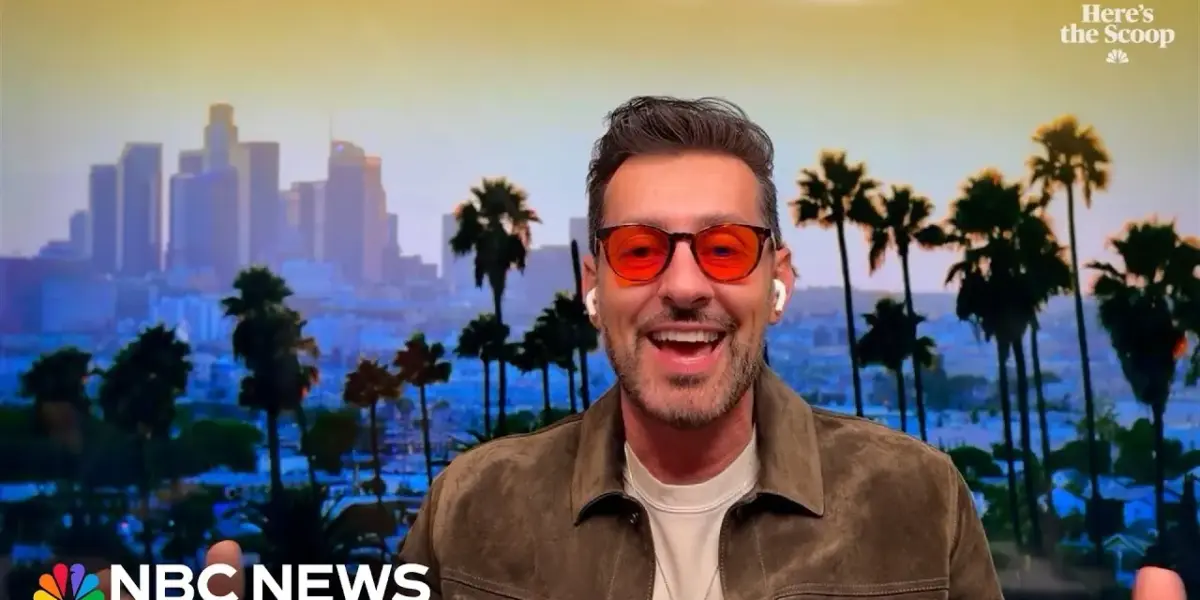
Comedian Max Amini Balances Career Highs with Homeland’s Conflict
In a time of escalating international tension, Iranian-American comedian Max Amini is finding a unique way to connect with audiences. As war between the United States, Israel, and Iran nears its fourth week, Amini, known for his energetic crowd work and sold-out shows, is using his platform to offer moments of levity and understanding. He recently made history as the first Iranian-American to headline a sold-out show at Madison Square Garden, a significant career milestone.
Finding Hope Through Laughter Amidst Crisis
The current geopolitical climate weighs heavily on Amini, especially with the ongoing conflict involving his ancestral homeland. “It’s a time to be alive,” Amini stated, reflecting on the complex emotions of achieving personal success while his country faces war. He believes this difficult period calls for unity and mutual support within communities. Amini sees his growing international reach as an opportunity to promote positivity and be a voice for his people.
Addressing Protests in Iran on a Global Stage
While Amini typically avoids overt political commentary, his Madison Square Garden performance marked a departure. Days before the war intensified, he addressed the Iranian regime’s crackdown on protests within Iran, calling it “the biggest revolution in our time.” He shared a powerful video montage showcasing Iranians facing violence while peacefully demanding basic rights like a voice, choice, and a future. This moment, juxtaposed with laughter and entertainment, created a deeply emotional experience for the audience.
“I felt like I had a duty to represent the people of Iran,” Amini explained. “And I felt like I had a duty to tell the people that have no idea what’s going on on that side of the world.” He recognized his massive platform as an Iranian-American and saw it as the best opportunity to do something meaningful. The response was phenomenal, with many audience members moved to tears, leaving with a profound sense of humanity and a new awareness of the situation in Iran.
Connecting with a Diverse Audience
Amini emphasized that his audience is largely international and diverse, with only a small percentage being of Iranian descent. This broad reach allows him to educate people who may have little prior knowledge of the events unfolding in Iran. “People were saying thank you, we had no idea,” he shared, noting that many audience members began their own research after his performance. He is continuously seeking authentic ways to raise awareness and spread positive messages, a sentiment shared by many in his community.
Interviews with Key Figures
Amini has also used his skills as a director and producer to engage with prominent figures connected to Iran’s political future. He conducted interviews with Reza Pahlavi, the former Crown Prince of Iran, and soccer star and activist Ali Karimi. Amini approached these interviews not as a journalist, but as an artist aiming to capture the soul and voice of his subjects.
Regarding Ali Karimi, Amini explained that the activist reached out to him, seeking someone with a neutral perspective. Karimi was in a difficult and dangerous position, with the Iranian government reportedly offering a bounty for him. Amini’s intention was to capture Karimi’s voice for his people during a critical time. He described Karimi as an honorable human being who has sacrificed his life for his country.
For his interview with Reza Pahlavi, Amini focused on presenting a more personal and deeper understanding of the former Crown Prince. He aimed to showcase Pahlavi’s intelligence, kindness, and pure intentions, believing these qualities are not widely known. The resulting project received feedback indicating that viewers felt they got to know Pahlavi on a much deeper level and connected with him personally.
Refusal to Interview Regime Representatives
When asked if he would consider interviewing representatives from the current Iranian regime, Amini firmly stated, “No.” He believes his strength lies in connecting with individuals on a human level, understanding their upbringing, and perspectives. He feels ill-equipped to handle the complex and often disingenuous nature of political conversations with regime officials, which he describes as “not straightforward.”
Authenticity in Comedy and Connection
Amini’s approach to comedy remains rooted in authenticity. He integrates his personal experiences and the heavy emotions he feels, including those related to his country, into his performances. “When I am experiencing something very heavy in my life, I go on stage, I perform my comedy, I talk about what I’m dealing with,” he said. This honesty fosters a deep, almost familial bond with his audience, making them feel like friends who are experiencing emotions together.
He described his shows as natural, heart-to-heart conversations rather than structured segments. This personal connection is key to his identity as a performer. He aims to build bridges and challenge misconceptions about Iranians, a passion that stemmed from his own identity struggles growing up.
Challenging Misconceptions About Iranians
Growing up as an Iranian-American, Amini experienced an identity crisis and initially felt embarrassed by his heritage. He recalled a pivotal moment in his early twenties when a workshop director asked him what stories he wanted to tell. Amini responded, “I want to make Iranians cool,” because he felt no one was showcasing the fun and awesome side of his culture. This desire has fueled his career for years.
He humorously noted how his comedy is now becoming an entry point for people to connect with Iranian culture, likening himself to a new, positive symbol. “Now they go, I like Max Amini,” he said, contrasting it with older associations like kebab. He shared a relatable anecdote about wanting to hide his Iranian snacks and unibrow as a teenager, a sentiment many children of immigrants understand.
Personal Reflections and Future Aspirations
In a lighter moment, Amini shared his most memorable bombing experience: a tough crowd at a black comedy club early in his career that booed him off stage. He also addressed his single status, explaining that his mother is open-minded and doesn’t pressure him, unlike his late father who had hoped to see him married. Amini stated he will marry when he meets the right person with whom he has a true connection.
While Amini has canceled upcoming shows in Dubai and Turkey due to the war, he remains hopeful for a swift resolution. He dreams of one day performing in Iran, not just for comedy, but to contribute to rebuilding the country’s infrastructure and cultural landscape. “Once we have a beautiful country on a positive sort of rail,” he stated, “I’ll do everything and anything I can to be a part of building that country.”
Source: Extended Interview: Iranian-American Comedian Max Amini on Finding Connection in War (YouTube)

Related Articles

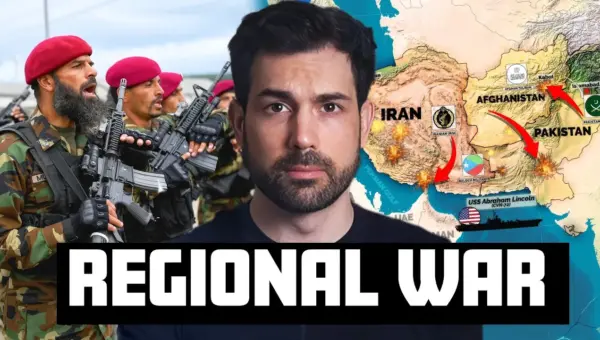
Iran War Ignites Regional Crisis: Pakistan Pulled In
The ongoing war in Iran is igniting a wider regional crisis, pulling Pakistan into escalating border conflicts with Baloch separatists and the resurgent Pakistani Taliban. Missile strikes, protests, and a refugee crisis are destabilizing the region, with significant implications for global energy markets and nuclear security.

Polls Reveal Deep Voter Concerns Over War, Economy for Trump
Recent polls and political analysis suggest President Trump faces significant challenges due to voter concerns about the prolonged conflict in Iran and the struggling economy. Republicans are growing anxious as these issues impact the president's standing, while Democrats see an opportunity to present themselves as a more stable alternative.

Jimmy O. Yang Cries After Meeting Hero Dave Chappelle
Comedian Jimmy O. Yang shared a deeply emotional story about meeting his hero, Dave Chappelle, which left him in tears. He also discussed his new Hong Kong-based comedy special, 'Finally Home,' its theatrical release, and the importance of representation in comedy.