Iran War’s Hidden Toll: Environmental Crisis Looms
Escalating conflict involving Iran, the US, and Israel poses a severe environmental and health threat to the Middle East. Recent attacks on fuel infrastructure highlight the potential for widespread ecological damage and long-term health risks for regional populations.

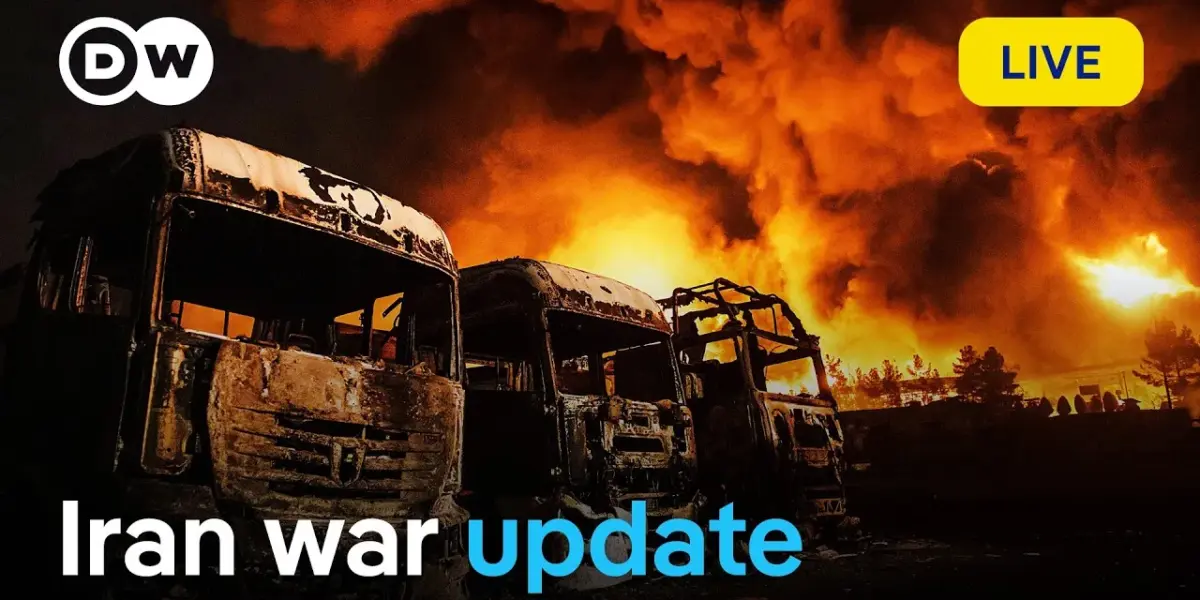
Middle East Braces for Environmental Fallout as Iran Conflict Escalates
The ongoing conflict involving Iran, the United States, and Israel has intensified, with Iran’s president outlining conditions for a cessation of hostilities, including demands for reparations and assurances against future aggression. Simultaneously, the international community is grappling with the economic repercussions, as 32 member states of the International Energy Agency (IEA) have agreed to release 400 million barrels of oil in an effort to stabilize global markets. However, amidst these geopolitical and economic maneuvers, a grave and often overlooked consequence of the escalating war is emerging: a significant environmental and health hazard for the entire Middle East.
Direct Attacks on Infrastructure Raise Alarm
Recent attacks have directly targeted critical energy infrastructure, exacerbating environmental concerns. Early Thursday morning, Bahrain’s Interior Ministry reported that Iran had struck fuel tanks in the Muharraq Governorate, located northeast of the capital, Manama. This incident follows a similar attack on two fuel tankers in Iraqi waters. Farhan Al-Fartousi, from Iraq’s General Company for Ports, confirmed to state television that one crew member lost their life, while 38 individuals were rescued from the burning vessels. These deliberate strikes on oil facilities not only disrupt supply chains but also pose immediate and long-term threats to marine and terrestrial ecosystems, as well as human health.
Expert Warns of Widespread Environmental Devastation
Doug Weir, Director of The Conflict and Environment Observatory, has been a vocal advocate for understanding the environmental dimensions of modern warfare. Speaking on the broader implications of the Iran conflict, Weir highlights the potential for widespread ecological damage. The deliberate targeting of oil infrastructure, pipelines, and storage facilities can lead to catastrophic oil spills. Such events contaminate water sources, destroy marine life, render agricultural land unusable, and release toxic pollutants into the atmosphere. These effects are not confined to the immediate vicinity of the attacks; prevailing winds and water currents can carry contaminants across vast distances, impacting neighboring countries and even further afield.
The Specter of Oil Spills
Oil spills are among the most visible and devastating environmental consequences of conflict in the Middle East, a region heavily reliant on oil production and transportation. The burning of oil facilities releases immense quantities of greenhouse gases and toxic fumes, contributing to air pollution and exacerbating climate change. Furthermore, the physical destruction of storage tanks and pipelines can result in crude oil leaking into rivers, coastal waters, and the open sea. The cleanup of such spills is an arduous, expensive, and often incomplete process, with residual contamination persisting for decades, impacting fisheries, tourism, and the overall health of coastal communities.
Health Implications for Regional Populations
Beyond the immediate environmental damage, the conflict poses serious health risks to the populations of the Middle East. The release of toxic substances from damaged industrial sites and the burning of oil can lead to respiratory illnesses, skin conditions, and long-term health problems, including increased cancer risks. Contaminated water sources threaten public health, potentially leading to outbreaks of waterborne diseases. Furthermore, the displacement of populations due to conflict often forces people into areas with inadequate sanitation and healthcare, further compounding health challenges.
Broader Ramifications for the Middle East
The environmental hazards stemming from the Iran conflict have far-reaching implications for the entire Middle East. The region already faces significant environmental stresses, including water scarcity and desertification. The addition of widespread pollution from war-related activities could push already fragile ecosystems beyond their breaking point. This could lead to increased resource competition, further instability, and a humanitarian crisis. The economic impact is also substantial, as damaged infrastructure requires costly repairs, and environmental cleanup efforts drain national budgets. The long-term viability of critical industries like fishing and agriculture could be jeopardized, impacting food security and livelihoods across the region.
The Role of International Law and Accountability
The deliberate targeting of civilian infrastructure, including oil facilities, raises critical questions about adherence to international humanitarian law. Experts emphasize the importance of holding perpetrators accountable for environmental damage caused by armed conflict. International bodies and legal frameworks exist to address such violations, but their enforcement in active conflict zones remains a significant challenge. The global community faces the dual challenge of de-escalating the immediate conflict while also addressing the long-term environmental and health consequences and ensuring accountability for any breaches of international law.
Looking Ahead: Monitoring and Mitigation
As the conflict continues, heightened vigilance and proactive measures will be crucial. International organizations, environmental agencies, and local authorities must prioritize the monitoring of environmental conditions, particularly in areas affected by attacks on industrial and energy infrastructure. Developing and implementing effective mitigation and cleanup strategies will be essential to minimize the long-term damage. The world will be watching to see if diplomatic efforts can de-escalate the conflict and if the international community can rally to address the mounting environmental and health crisis that threatens the stability and well-being of the entire Middle East region.
Source: Iran war: Environmental and health hazard for the whole Middle East | DW News (YouTube)

Related Articles

U.S. Iran Tensions Rise Amid Shifting Alliances
Rising tensions between the U.S. and Iran are creating a volatile geopolitical situation. With conflicting signals on de-escalation and potential shifts in alliances like NATO and U.S.-Israel relations, the path forward remains uncertain. The global economy and regional stability hang in the balance.


Americans Rally for Democracy Amidst War and Economic Woes
Thousands of Americans are participating in "No Kings" rallies nationwide, demanding accountability from leaders and drawing parallels to historical movements that spurred significant change. The protests occur amidst a controversial war with Iran, economic uncertainty, and a partial government shutdown. Organizers emphasize solidarity, joy, and the power of collective action in defending democracy.

Trump Delays Iran Strike Deadline Amidst Shifting Diplomacy
President Donald Trump has extended his deadline for potential strikes on Iranian energy plants to April 6th, amid reports of U.S.-Iran diplomatic talks mediated by Pakistan. This move comes as Israel continues its strikes on Iran and the U.S. deploys additional military assets to the region. Analysts point to mixed signals, economic pressures, and strategic miscalculations as key factors shaping the evolving situation.