Iran War’s Economic Fallout Hasn’t Even Started, Analyst Warns
Analysts warn that the full economic fallout from the Iran conflict has yet to hit, with rising oil prices and disrupted trade routes posing significant threats. Confusion persists regarding the administration's strategy and objectives, leaving allies and the public uncertain about the war's direction and end.

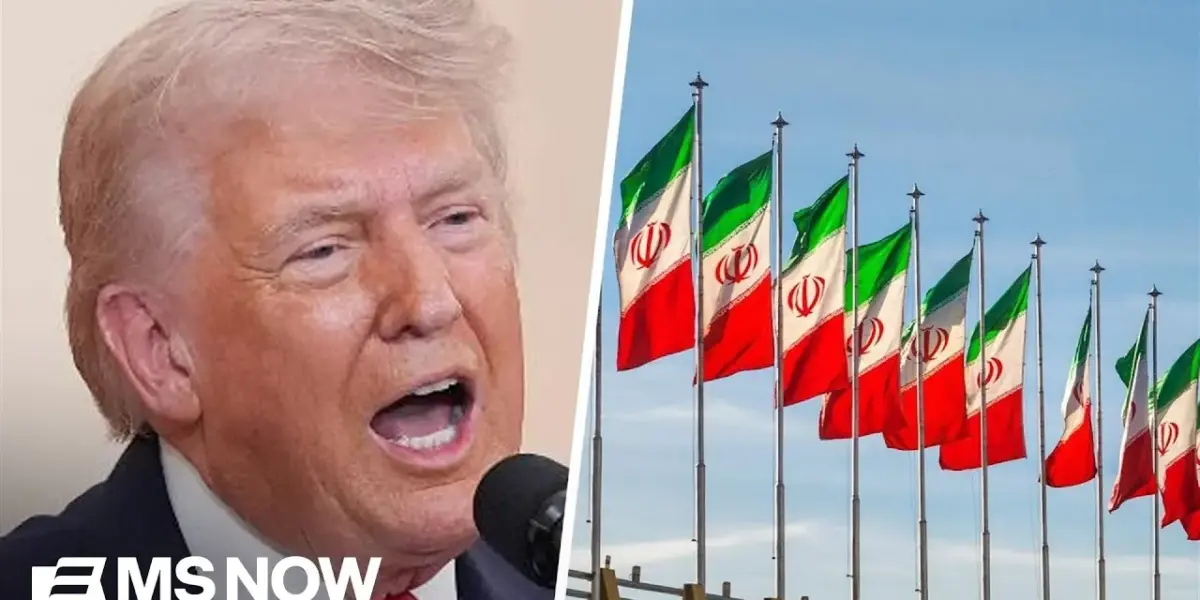
Confusion Reigns Over Iran Conflict Messaging
Presidential messaging on the ongoing conflict with Iran remains unclear, leaving both the public and allies questioning the administration’s intent and strategy. A recent speech, described by analysts as a “muddled” collection of past statements, failed to provide new direction or clarity, raising more questions than answers regarding the war’s objectives and potential end. This lack of clear communication extends to diplomatic efforts, with details on negotiations and potential partners remaining undisclosed.
Public Opinion and Polling Concerns
Despite presidential claims of public support, polling data presents a complex picture. While some polls indicate broad backing, deeper analysis reveals significant support among specific political factions, such as 80% of MAGA supporters. Experts caution against relying solely on simple polling for intricate foreign policy issues, suggesting that a lack of public education on the conflict’s details may skew results. The timing of public addresses, particularly for a public sensitive to midterm election concerns, adds another layer of complexity to the administration’s communication strategy.
Missteps in Public Relations and Allied Relations
The administration has faced criticism for its public relations and messaging efforts, particularly between the White House and the Pentagon. A reduction in regular press conferences and the exclusion of the press corps from daily briefings have hindered transparent communication. This lack of consistent dialogue has left allies in the dark, with many European nations reportedly unaware of key developments until after they occurred. The perception of President Trump’s past actions and rhetoric towards European allies has also created a “poisonous atmosphere,” making it politically difficult for leaders to commit to joint military efforts.
Regional Perspectives and Unclear Objectives
In the Middle East, particularly in Israel, the perception of the conflict differs significantly from that in the United States. While the war lacks widespread popularity in the U.S., it is viewed as a critical necessity in Israel, where officials and citizens see Iran and its proxies as a direct and existential threat. The objective for Israel is to neutralize this threat, a goal that remains unachieved with ongoing hostilities from Iran and its proxies like Hezbollah. This contrasts with the U.S. public’s struggle to grasp the military and strategic aims of the conflict.
Economic Ramifications and Future Uncertainty
Analysts warn that the “cascading impacts” of the economic crisis stemming from the Iran conflict have not yet been fully felt. Rising oil prices, already observed at $10 per barrel, are expected to continue impacting consumers and global markets. The ongoing disruption to vital shipping lanes, such as the Strait of Hormuz, poses a significant threat to global trade and energy security. Furthermore, the military operations required to secure these waterways are complex and lengthy, potentially requiring a sustained U.S. troop presence for months or even years, a commitment that has not been clearly communicated or planned for publicly.
Diplomatic Efforts and Military Preparedness
While diplomatic channels are reportedly open, the progress and specifics of negotiations remain vague. The administration has not elaborated on why talks were abandoned earlier or provided new details on current discussions. On the military front, questions persist about the preparedness and deployment of naval assets. Analysts point to a lack of readily available escort ships in key regions, suggesting a potential oversight in planning for such a critical operation. The complexity of securing the Strait of Hormuz, given Iran’s capabilities to launch long-range attacks, underscores the challenging nature of any potential military intervention.
Looking Ahead
The coming weeks will be crucial for the administration to clarify its objectives in the Iran conflict and improve communication with both the American public and its international allies. The economic consequences are expected to intensify, demanding a clear strategy to mitigate their impact. The effectiveness of ongoing diplomatic efforts and the potential for de-escalation will be closely watched, alongside the continued military preparedness and strategic deployment of resources in the region.
Source: 'Cascading impacts' of economic crisis due to Iran war 'haven't even begun': Analyst (YouTube)

Related Articles
Trump’s NATO Threats Spark Global Unease, Ex-Envoy Warns
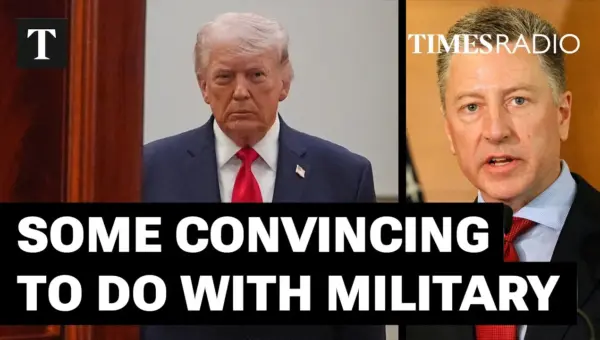
Former Ambassador Kurt Volker warns that President Trump's questioning of NATO and the ongoing conflict with Iran are creating global instability. The war's unclear outcome benefits Russia and potentially China, while straining U.S. relations with European allies. Volker suggests Trump's NATO threats are a tactic to pressure allies, but legal and political hurdles make withdrawal difficult.


Trump Ousts Bondi Amid Epstein Probe, Congress Demands Answers
Congressman Seth Moulton claims President Trump removed Pam Bondi from her position due to her impending deposition in the Jeffrey Epstein case. The conversation also addressed the escalating conflict with Iran, with Moulton criticizing the administration's strategy and calling for transparency.

Russia’s Battlefield Slowdown Signals Shifting War Dynamics
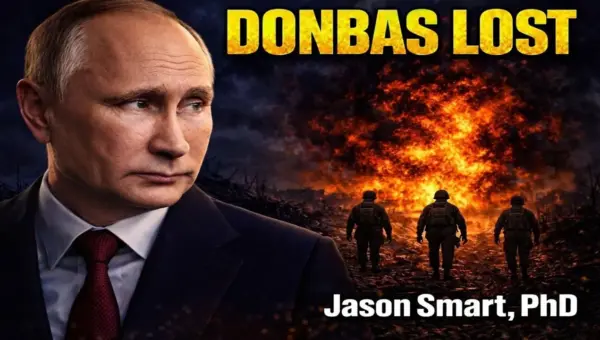
Russia faces mounting pressure on multiple fronts as its military gains in Ukraine stall and its economy strains. Moscow's claims of victory are contradicted by battlefield realities, escalating casualties, and diminishing territorial returns. President Putin's leadership is increasingly isolated both domestically and internationally.