Iran War’s Billion-Dollar Daily Toll Shifts US Focus
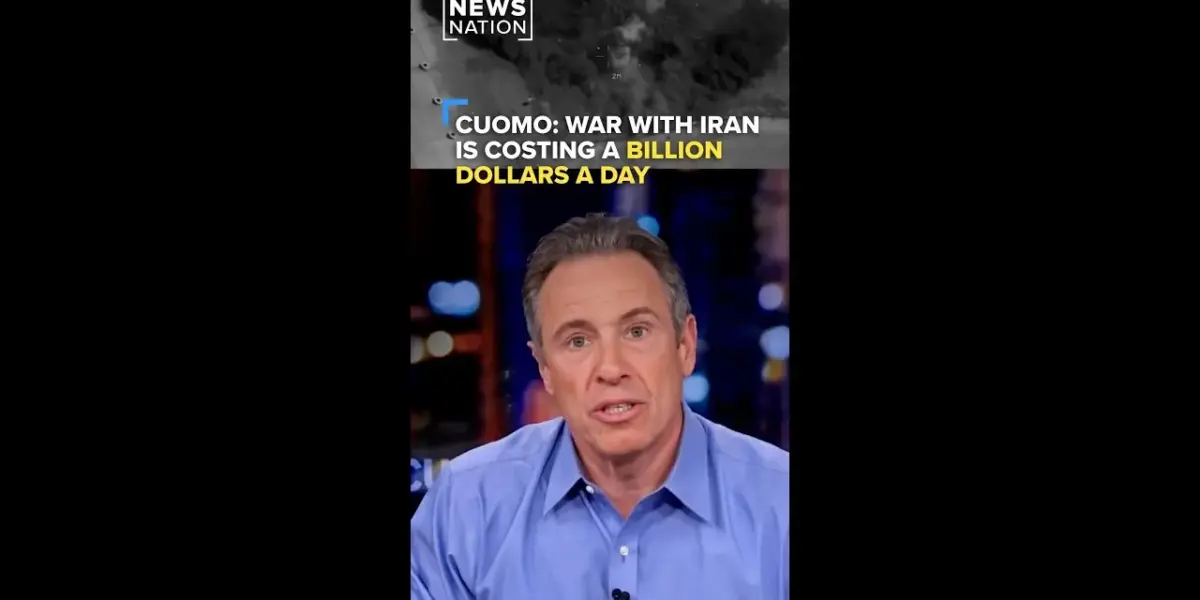
The war with Iran is costing the US an estimated billion dollars daily, forcing domestic priorities like healthcare affordability to the back burner. Meanwhile, proposed aid for the poor faces cuts to fund the conflict, raising questions about government spending priorities.

US Faces Steep Costs as Iran Conflict Dominates Budget Priorities
The ongoing conflict with Iran is placing an immense financial strain on the United States, consuming an estimated billion dollars each day. This staggering cost is forcing difficult choices, pushing domestic priorities like healthcare affordability to the side. The financial burden of this war is becoming a central issue, impacting everyday Americans already struggling with rising costs.
Domestic Programs Sidelined for War Funding
While the nation grapples with the financial demands of the Iran conflict, proposed aid for struggling Americans faces significant hurdles. For example, subsidies aimed at making healthcare more affordable, which are supported by a large majority of the public, remain stalled in the Senate. This inaction occurred even after a government shutdown that was purportedly focused on healthcare issues. Now, programs designed to help the poor are being considered for cuts to help pay for the war’s expenses. Officials often use phrases like ‘rooting out fraud’ and ‘waste, fraud, and abuse’ in healthcare spending. These are real issues, but critics question why efforts to address them consistently seem to hurt those most in need.
Questionable Priorities in Spending
Concerns are being raised about where the government directs its funds. While billions are spent annually to support energy companies, which are experiencing record profits due to high prices affecting consumers, no significant efforts to find ‘fraud’ are mentioned. Similarly, hundreds of millions are allocated to subsidize new companies founded by the sons of former President Trump. This spending occurs without similar scrutiny for waste or abuse. Furthermore, what some Republicans label as ‘fraud’ in healthcare spending appears to be based on accounting methods that were previously encouraged by the Trump administration itself.
Historical Context and Shifting Alliances
The current situation reflects a recurring tension in US foreign policy: the balance between international commitments and domestic needs. Historically, major conflicts abroad have often led to increased national debt and debates over resource allocation. The focus on Iran, in particular, comes at a time of complex regional dynamics in the Middle East. Shifting alliances and ongoing security concerns in the region have necessitated a significant US military presence and, consequently, substantial financial outlays.
Economic Leverage and Impact
The economic implications of the Iran conflict extend beyond direct military spending. Sanctions imposed on Iran, while intended to pressure the regime, can also disrupt global energy markets and impact international trade. The high cost of the war could also lead to increased national debt or necessitate tax increases, affecting both businesses and individuals. The reliance on global energy supplies means that instability in the Middle East, fueled by conflict, can directly translate into higher prices for consumers worldwide.
Global Impact: A World of Competing Interests
The financial drain of the Iran conflict has broader implications for the global order. When a major power like the United States dedicates such vast resources to military engagements, it can reduce its capacity to address other pressing global challenges. These might include climate change, pandemics, or economic development in other regions. The war’s cost also highlights the interconnectedness of global security and economic stability. A costly conflict in one region can divert attention and resources, potentially creating vacuums or altering power balances elsewhere. This forces other nations to reassess their own security and economic strategies in response to shifting global priorities.
Future Scenarios
One possible future involves a prolonged and costly engagement in Iran, leading to continued domestic budget pressures and potential political fallout. Another scenario could see a diplomatic resolution or a reduction in military operations, freeing up resources for domestic needs. However, the complex geopolitical situation in the Middle East suggests that a swift end to the conflict is unlikely. The ongoing financial commitment will likely remain a significant factor in US budget decisions and foreign policy debates for the foreseeable future.
Source: Cuomo: War with Iran is costing a billion dollars a day | CUOMO (YouTube)

Related Articles


Gulf Allies Urge Trump to Continue Iran Conflict
U.S. allies in the Persian Gulf are urging President Trump to intensify military action against Iran, believing Tehran has not been sufficiently weakened. The ongoing conflict raises concerns about regional stability and global energy prices, while questions linger about the administration's long-term strategy.


Middle East Conflict Sends Gas Prices Soaring Past $4
The national average gas price has surpassed $4 per gallon for the first time since 2022, driven by escalating conflict in the Middle East. Recent attacks on oil tankers and military strikes have heightened fears of energy supply disruptions, impacting consumers globally.

US Weighs Troop Deployment Amid Iran Deal Push
The U.S. is considering deploying ground troops to Iran while simultaneously pushing for a diplomatic deal to reopen the Strait of Hormuz. Air strikes are ongoing as President Trump increases pressure on Iran.