Iran Warns Trump Over Hormuz Strait Blockade Threat
Iran has issued a stern warning against any U.S. military vessels attempting to blockade the Strait of Hormuz, calling it a violation of a ceasefire. The U.S. blockade aims to cut off Iran's oil revenue, impacting both Iran and China. The situation is at a critical juncture, with potential for further escalation.

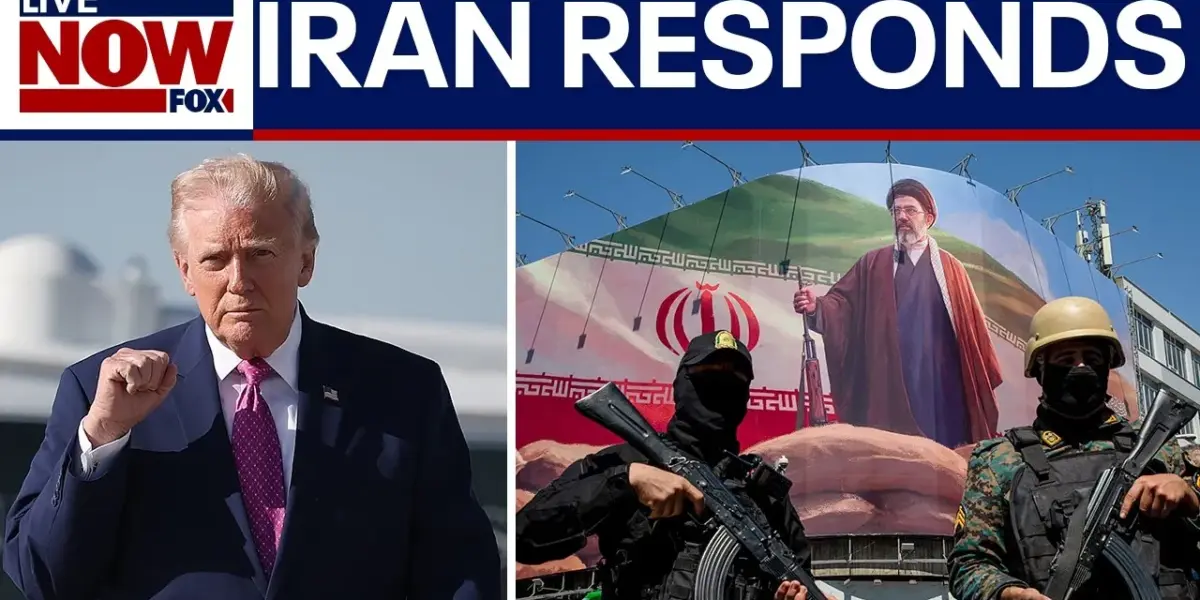
Iran Issues Stark Warning Over Hormuz Strait Blockade
Iran has issued a strong warning following President Trump’s order for a U.S. naval blockade of the Strait of Hormuz. The Islamic Revolutionary Guard Corps (IRGC) stated that any military vessels approaching the vital waterway would be seen as a violation of the U.S.-brokered ceasefire and would be met with a harsh response. The IRGC also asserted that Iran’s Navy controls the strait and ensures safe passage for non-military ships under specific rules.
Tensions Rise as Blockade Order Sparks Retaliation
The announcement comes after President Trump directed U.S. Navy ships to create a blockade in the Strait of Hormuz. Iran’s response, classifying any military vessel as a threat, signals a potential escalation in the ongoing tensions. This move by the U.S. appears to be a direct response to Iran’s previous actions, which allegedly violated a ceasefire by only allowing ships aligned with its interests or those paying significant fees to pass through. The IRGC’s claim of controlling the strait is being challenged by this U.S. directive.
Economic Implications for Iran and China
Experts suggest that the U.S. blockade aims to cut off Iran’s oil revenue. This strategy could significantly impact Iran’s economy, as approximately 90% of its oil exports are reportedly sold to China at discounted prices. The blockade could therefore create a standoff with potential consequences for both nations. The U.S. may escalate its actions by targeting key Iranian oil export facilities, such as the Kar Island terminal, which handles most of Iran’s oil exports. This could cripple Iran’s economy and potentially pressure the regime internally.
A Critical Juncture: Is the World at a Tipping Point?
The situation in the Strait of Hormuz is described as a potential “point of inflection” or “tipping point.” Vice President J.D. Vance’s recent 21-hour talks in Pakistan, aimed at reaching an agreement with Iran, have so far failed to yield significant concessions. Iran’s refusal to give up its nuclear program, particularly its enriched uranium, remains a major sticking point. U.S. officials, including President Trump, have indicated that if diplomatic efforts fail, further actions against Iran’s economic and potentially military targets could be considered.
“The report found serious problems and suggests new rules that would affect all holders.” (Paraphrased insight from the transcript regarding the context of negotiations)
Possible U.S. Strategies Moving Forward
Several options are being considered by the United States. One is to maintain the blockade, preventing Iranian oil exports while ensuring the Strait of Hormuz is clear of mines. This would allow oil from countries like Saudi Arabia and the UAE to flow freely. Another, more aggressive option, involves targeting facilities like Kar Island, which would inflict lasting economic damage on Iran. The U.S. could also increase strikes on Iranian economic and energy facilities, as suggested by President Trump. A more significant risk involves addressing Iran’s nuclear program directly, potentially by securing or destroying stored nuclear material, possibly in cooperation with Israeli partners. The transcript mentions “Pickaxe Mountain,” a deeply buried, uninspected facility, as a potential area of concern.
Focus on the Nuclear Program and Regional Stability
The core issue remains Iran’s nuclear program. Despite lengthy negotiations, Iran has shown little willingness to make key concessions on enriched uranium. This stalemate raises questions about the realism of future diplomatic breakthroughs. The U.S. and its allies are closely watching Iran’s nuclear activities, with a potential plan in place to address the issue if necessary, although this carries significant risks. The broader goal is to prevent Iran from developing nuclear weapons.
Hezbollah and the Lebanese Front: An Emerging Alignment?
Beyond the Hormuz Strait, Iran’s proxies, including Hamas, Hezbollah, and the Houthis, continue to play a role in regional conflicts. Talks are expected between Israel and Lebanon regarding peace and scaling back strikes against Hezbollah. Hezbollah’s attacks on Israel, particularly the one following Hamas’s October 7th attack, have led to significant degradation of the group and the killing of its leaders. There appears to be an alignment of interests between Israel and the Lebanese government, both of whom seek to weaken or eliminate Hezbollah, an Iranian proxy seen as a primary cause of Lebanon’s ongoing conflict. This could create an opportunity for normalization between Lebanon and Israel, contingent on further weakening Hezbollah.
What to Watch Next
The coming days will be crucial in determining the trajectory of the Hormuz Strait situation. Key developments to monitor include whether tensions escalate further and if the U.S. decides to take more aggressive action against Iran’s economic or military infrastructure. The status of Iran’s nuclear program, particularly any activities at facilities like Pickaxe Mountain, remains a critical concern. Additionally, the upcoming talks between Israel and Lebanon will be important for regional stability, especially concerning the influence of Hezbollah.
Source: Iran issues warning about Trump's Hormuz Strait blockade (YouTube)

Related Articles
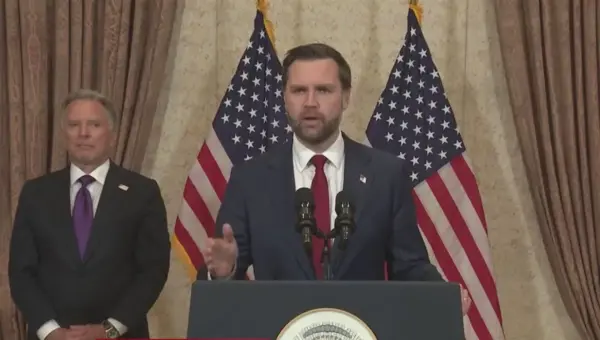
Iran Talks Collapse: US Blocks Strait, Escalates Tensions
Peace talks between the U.S. and Iran have collapsed over Iran's nuclear ambitions. In response, the U.S. Navy has initiated a blockade of the Strait of Hormuz, escalating tensions and threatening global oil supplies. This move follows Iran's refusal to meet key American demands.

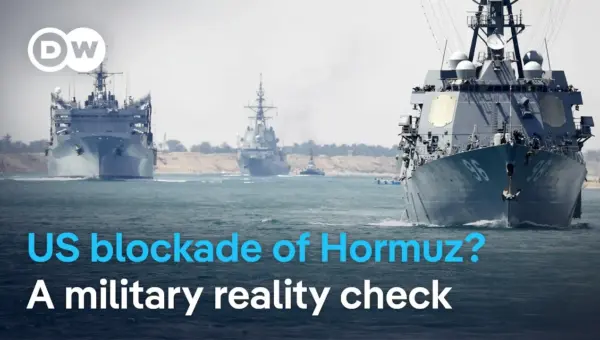
US Navy Blockade of Strait of Hormuz: Power Play or Empty Threat?
President Trump has threatened a U.S. Navy blockade of the Strait of Hormuz after failed peace talks with Iran. While the U.S. possesses significant naval power, the narrow strait presents challenges, and Iran could retaliate by threatening oil supplies. The situation is described as dangerous brinkmanship in ongoing negotiations.
Trump Orders Strait of Hormuz Blockade, Risks Global Oil Shock
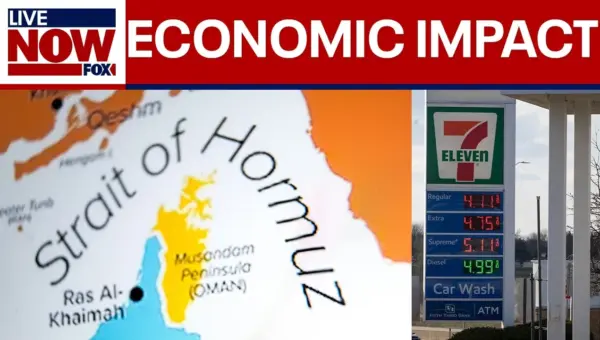
President Trump has ordered the U.S. Navy to blockade the Strait of Hormuz, a critical global oil transit point, sparking fears of soaring energy prices and inflation. This strategic move aims to exert pressure on Iran and China, while also addressing domestic economic concerns ahead of midterm elections.