Iran War WON’T Last: Veteran Explains Strategy
An Israeli special ops veteran explains the "Trump Warfare" strategy targeting Iran's terror capabilities, not territory. The approach aims for rapid pressure and withdrawal, believing Iran's power to threaten global shipping will be broken, leading to stability.

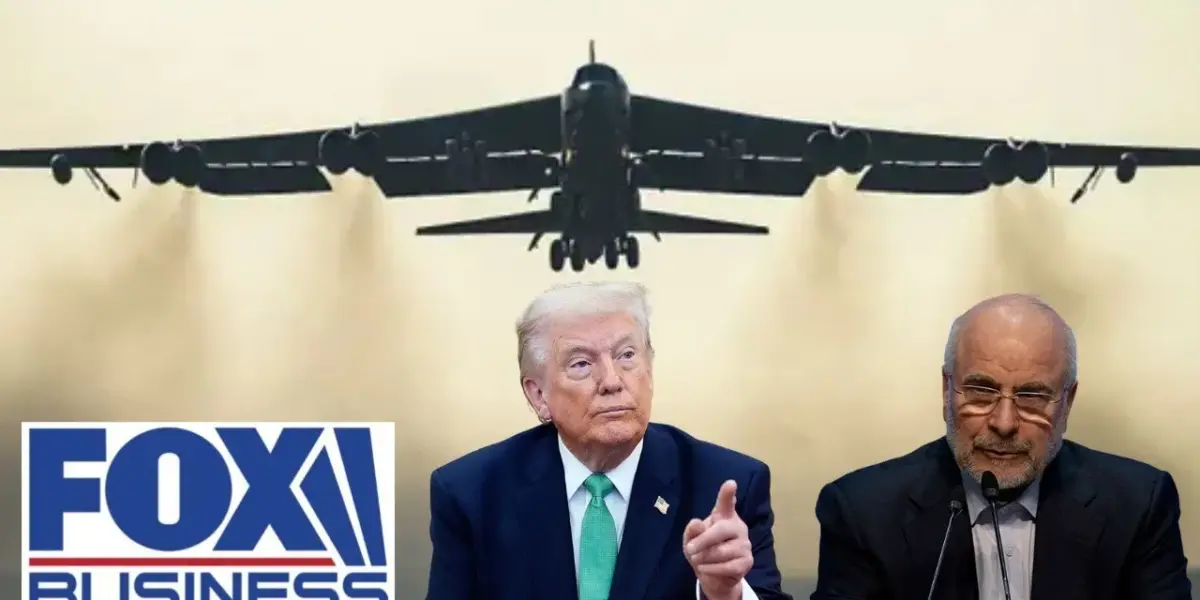
US Strategy in Iran Targets “State Sponsor of Terror”
A new approach to conflict in Iran is unfolding, focusing on a targeted takedown of the world’s leading state sponsor of terror. This strategy, described as “Trump Warfare,” aims to cripple Iran’s ability to project power rather than occupy territory.
The core idea is to apply overwhelming pressure, destabilize Iran’s system, and then withdraw quickly. The goal is not to hold key areas like the Strait of Hormuz, but to eliminate Iran’s capacity to threaten global shipping and regional stability. Once Iran’s power to close the strait is gone, experts believe it will stabilize on its own.
Strait of Hormuz: A Key Flashpoint
The Strait of Hormuz is a critical waterway. Around 20% of the world’s oil supply travels through it. Iran has previously used control over this strait as a threat. “Trump Warfare” seeks to remove this threat entirely.
“This is not about occupying territory. This is about breaking Iran’s ability… to project power, fast, hard, and aggressively.”
This strategy suggests that the conflict will not be prolonged. President Trump has indicated that aggressive U.S. activity in Iran will cease, leading to the automatic reopening of the strait. This implies a belief that Iran will no longer possess the power to disrupt international trade routes.
Israel’s Crucial Role in Intelligence
Israel plays a vital role in this strategy, particularly through its advanced intelligence capabilities. Israeli intelligence relies on deep human networks built over years, combined with cyber warfare and specialized units. This intelligence infrastructure does not disappear after military operations.
In fact, after major operations, the internal system within Iran can become more chaotic. This chaos, according to veterans, creates openings, making it easier to gather intelligence and understand the regime’s inner workings. This intelligence sharing between Israel and the U.S. is expected to continue.
“Chaos Creates Openings”
An Israeli special operations veteran explained this concept: “Chaos creates openings in the deeper the regime goes into crisis, the easier it becomes to see inside it.” This suggests that the current pressure campaign makes Iran more vulnerable to intelligence gathering.
Recent operations, including a significant strike in Isfahan, are seen as proof of this targeted approach. These actions aim at the source of terror, rather than just reacting to threats. The explosion in Isfahan, in particular, is viewed as a dramatic event that has crippled the regime more significantly than previous strikes.
Nuclear Program Remains a Top Priority
The nuclear program has been a primary objective of the campaign against Iran. There are concerns about approximately a thousand pounds of enriched uranium within Iran. However, if U.S. forces are preparing to withdraw, it suggests that intelligence indicates the uranium threat has been degraded or neutralized.
Israeli intelligence agencies, like Mossad, have a long-standing presence and deep operational knowledge within Iran. This could mean that any remaining threats related to the nuclear program are being managed through covert operations, even as overt military actions wind down.
What Investors Should Know
The “Trump Warfare” strategy suggests a swift and decisive end to direct U.S. military involvement in Iran. Investors should note the focus on disrupting Iran’s capabilities rather than prolonged occupation. This approach aims to achieve strategic objectives quickly.
The continued involvement of Israeli intelligence is a key factor. Their deep network and cyber capabilities ensure ongoing insight into Iran’s activities, even after U.S. forces reduce their presence. The effectiveness of this strategy hinges on completely breaking Iran’s ability to threaten the region and the world.
The potential stabilization of the Strait of Hormuz, due to Iran’s diminished capacity to close it, could ease concerns about global oil supply disruptions. This would be a positive development for energy markets and international trade.
While the specifics of operations and intelligence remain largely classified, the rhetoric suggests a high degree of confidence from U.S. and Israeli leadership regarding the campaign’s success and the future security of key shipping lanes.
Source: ‘Chaos creates openings’: Israeli special ops veteran explains US-Israeli Iran strategy (YouTube)

Related Articles

GOP Lawmaker Slams Dems’ ‘Word Games’ on Iran Threat
A GOP lawmaker criticizes Democrats for perceived hypocrisy on the Iran threat, accusing them of "word games" and downplaying danger while the White House provides financial aid. The congresswoman highlights past warnings about Iran's nuclear program and contrasts them with current Democratic stances.

Trump’s Iran Announcement: Markets Brace for Impact
Former President Donald Trump is set to announce his strategy on Iran, leaving markets on edge. Analysts foresee potential escalation scenarios, with a 60% chance of increased regional tension impacting oil prices. A 'nothing burger' announcement is also possible, though less likely.
Trump’s Iran Policy: Allies Strain, Goals Unclear Amid War
President Trump's Iran policy faces growing scrutiny as the conflict drags on, straining alliances and leaving strategic goals unclear. Allies question U.S. reliability amid airspace bans, while lawmakers demand answers about the war's endgame. The administration's vague objectives and potential willingness to end the campaign without securing key waterways like the Strait of Hormuz raise concerns about future economic stability and international relations.