Iran War Uncertainty Fuels Recession Fears, Economists Warn
Heightened uncertainty surrounding the Iran conflict is fueling growing fears of a global recession, as economists warn of potential lasting economic damage. Key concerns include prolonged high oil prices and the impact of shifting U.S. foreign policy on international trust and market stability. While Iran has reportedly rejected a U.S. peace proposal, diplomatic talks are said to be ongoing.

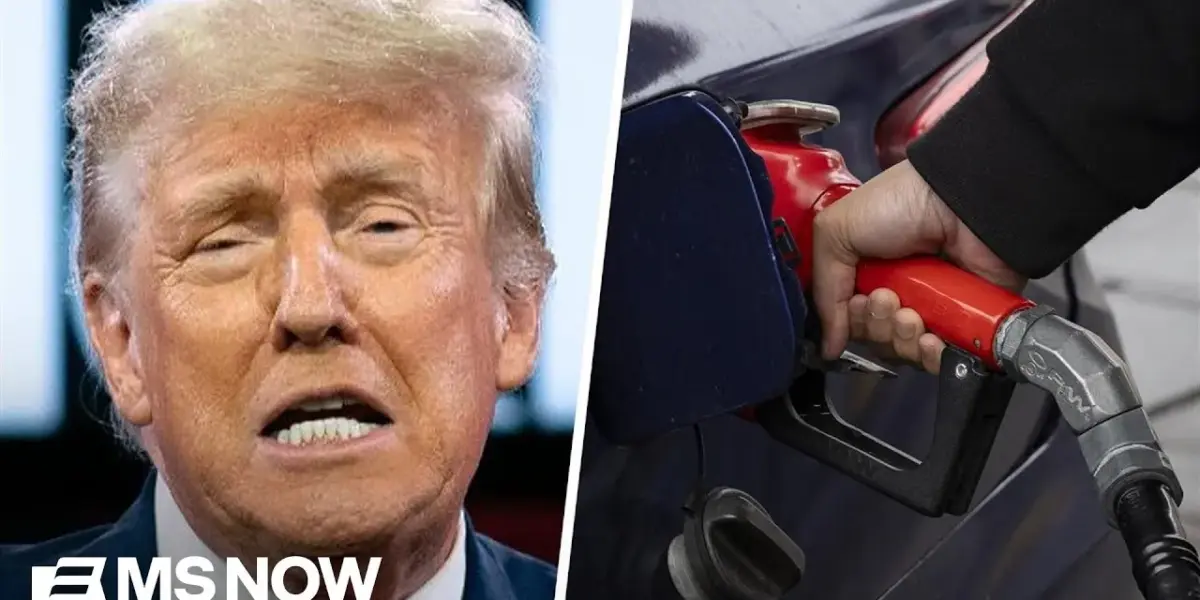
Global Tensions Rise Amidst Shifting U.S. Stance on Iran Conflict
The ongoing conflict involving Iran has created significant global uncertainty, prompting economists to warn of potential long-term damage to the world economy. While President Trump’s words suggest a path toward negotiation, his administration’s actions, including the deployment of additional troops to the region, paint a different picture. This mixed messaging is causing confusion and concern among international diplomats and financial markets alike.
Iran’s Perspective on U.S. Actions and Trust Issues
A senior diplomat in Tehran has expressed that the U.S. rhetoric, particularly claims of having crippled Iran’s military capabilities, is unhelpful given the troop build-up. Iran feels a deep lack of trust towards the U.S., citing past negotiations that broke down and subsequent attacks on its territory. This sentiment makes future diplomatic efforts exceedingly difficult, highlighting the need for a consistent and reliable approach from all parties involved.
Pakistan’s Mediating Role and Gulf Nations’ Concerns
Gulf nations, particularly Saudi Arabia, appear to be placing their trust in Pakistan as a mediator in the escalating tensions. Pakistan’s close ties with Saudi Arabia position it as a potential bridge between the U.S. and Iran. With critical negotiations potentially unfolding in the next 48 hours, Pakistan seems confident in its ability to facilitate progress. This reliance on a third-party mediator underscores the fragile state of direct communication between the primary parties.
Growing Fears of Economic Recession Linked to Iran Conflict
Wall Street analysts from major firms like Moody’s, Goldman Sachs, and individuals like Mark Zandy are increasingly revising their economic forecasts downwards. This pessimism is driven by a growing concern over the duration and intensity of the Iran conflict. The uncertainty surrounding the situation is directly impacting inflation expectations and the potential for a recession. Goldman Sachs, for instance, has repeatedly raised its odds of a recession, moving from 20% to as high as 30%.
Oil Prices and Lasting Economic Damage
A key factor contributing to these economic fears is the prospect of prolonged high oil prices. If the conflict extends beyond the initially projected four to five weeks, as economists warn, it could inflict “real and lasting damage” on the global economy. The administration’s original plans did not account for such a prolonged period of elevated energy costs, which have a ripple effect across numerous industries worldwide.
The Administration’s Communication Strategy and Market Reactions
Scott Bessent, an administration official, has been tasked with communicating the government’s stance to a nervous Wall Street. His appearances, defending the administration’s approach, highlight a strategy to pacify investors. However, proposed measures like reinsurance and naval escorts have not materialized. Furthermore, sanctions, whether implemented by the current or previous administration, have not significantly impacted oil prices, which remain stubbornly high.
Timing of Announcements and Market Manipulation Concerns
There is a curious pattern emerging concerning the timing of President Trump’s announcements regarding Iran. Reports suggest these statements are sometimes coordinated with global trading hours, potentially to influence market reactions. John Bolton, a former official, has noted that foreign policy announcements during Trump’s first term were occasionally timed with Wall Street’s trading schedule. This raises questions about whether market movements are being considered, or even manipulated, in the decision-making process.
Evidence of Market Influence
While direct evidence of insider trading before specific announcements remains weak, the practice of making significant policy declarations after markets close is evident. The decision to launch attacks on Iran, for example, reportedly began while American markets were still open but before the President’s public statements. This suggests a prioritization of managing market perception over immediate geopolitical surprise. This feedback loop, where policy decisions are influenced by anticipated market reactions, is seen as a troubling trend that could undermine effective policymaking and alter how both adversaries and allies perceive U.S. intentions.
Iran Rejects U.S. Peace Plan, Talks Continue
Iranian state television has reported that Iran has rejected a 15-point U.S. plan aimed at ending the conflict. The White House, however, maintains that talks are ongoing and productive, cautioning against reporting speculative details from anonymous sources. While elements of the reported plan may be accurate, the administration has not officially confirmed the entire proposal, emphasizing that negotiations are complex and sensitive. The U.S. is committed to finding a resolution, but the specifics of any potential agreement remain confidential.
The Economic Impact on the Gulf Region
The economic consequences of the conflict are being acutely felt in the Gulf region. Major oil refineries have been targeted by Iran, and the Strait of Hormuz, a critical waterway for global oil transport, remains partially or fully closed. Approximately 20% of the world’s oil typically passes through this strait. Countries like Qatar have experienced significant drops in oil production, with projections suggesting it could take years to recover lost capacity due to attacks on its facilities. The economic strain is immense, pushing Gulf nations to urge both the U.S. and Pakistan towards de-escalation and a more stable regional environment.
Looking Ahead: The Path to De-escalation
The coming days will be crucial in determining whether diplomatic efforts can overcome the current impasse. The focus will be on whether trust can be rebuilt between the U.S. and Iran, and if Pakistan can successfully guide negotiations towards a peaceful resolution. The economic stability of the Gulf region and, by extension, the global economy hinges on a successful de-escalation of the current conflict.
Source: 'Tremendous uncertainty' around the Iran war could do 'real, lasting damage': Economist (YouTube)

Related Articles

Stocks Ignore War Risks, Focus on “Taco Moments”
Stock markets appear to be overlooking the severe supply chain risks stemming from the Iran conflict, focusing instead on potential diplomatic de-escalations. While the S&P 500 shows resilience, bond and commodity markets signal deep concern over disruptions to critical resources like LNG, helium, and fertilizers.
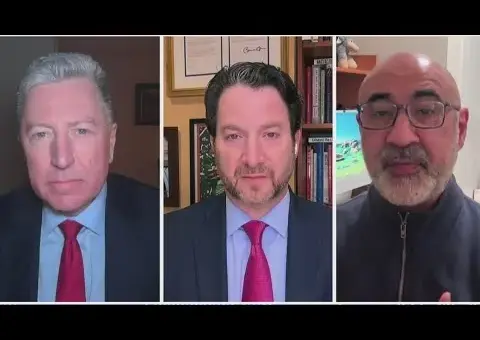
U.S. Iran Tensions Rise Amid Shifting Alliances
Rising tensions between the U.S. and Iran are creating a volatile geopolitical situation. With conflicting signals on de-escalation and potential shifts in alliances like NATO and U.S.-Israel relations, the path forward remains uncertain. The global economy and regional stability hang in the balance.


Iran Targets US With Cyberattacks, Escalating Digital Warfare
Iran is increasingly using cyberattacks to challenge the U.S., as seen in a recent hack of the FBI director's account. Experts say this is a strategic shift due to Iran's limitations in conventional warfare. The U.S. needs to strengthen its digital defenses, focusing on encryption and cloud computing, rather than solely relying on traditional security measures.