Iran War: Trump Claims Victory Amidst Shifting Stance
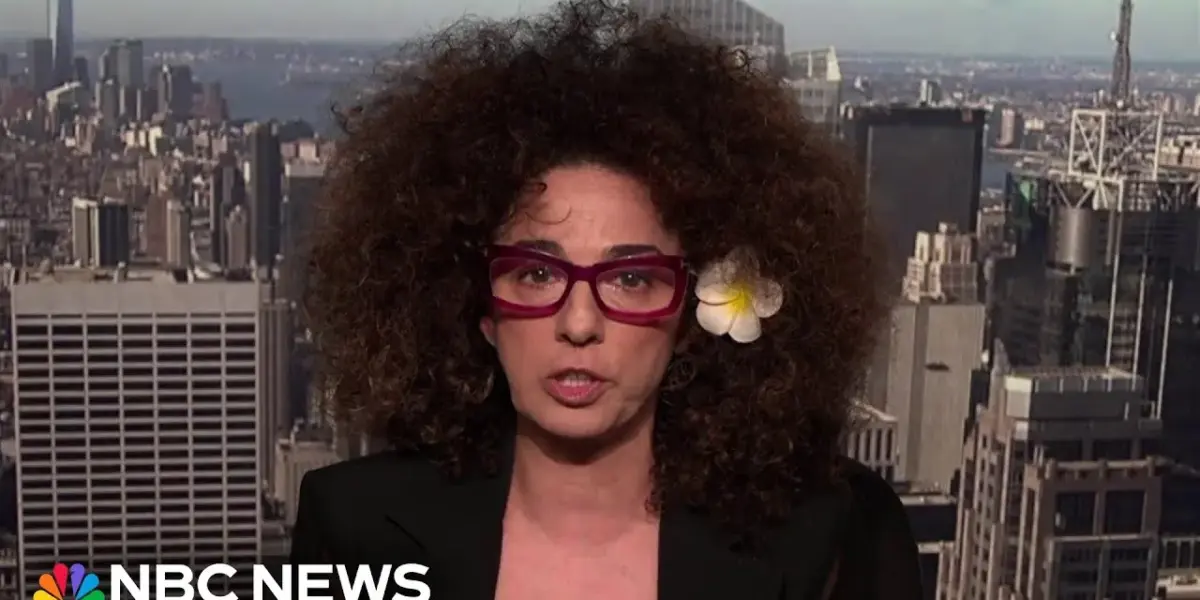
President Trump claims victory in the ongoing war with Iran, asserting the nation is "begging" for a deal. Meanwhile, indirect talks continue, with the U.S. presenting a 15-point action list. Iranian activist Masih Alinejad argues that Iran only understands "the language of force" and that diplomacy with the current regime is futile.

Trump Declares Iran ‘Obliterated’ as War Enters Second Month
As the conflict with Iran nears the one-month mark, President Trump struck a triumphant tone regarding U.S. military operations, which show no signs of slowing. The President claimed Iran is desperate for a deal to end the war, even as he faces domestic pressure from rising energy prices and waning public support for the conflict.
In his first cabinet meeting since the war began, President Trump reiterated his assertion that Iran is being “obliterated” and that U.S. operations are ahead of schedule. He also highlighted ongoing indirect talks between the U.S. and Iran, stating, “They are begging to make a deal. Not me. They’re begging to make a deal.”
“I say they’re lousy fighters, but they’re great negotiators and they are begging to work out a deal,” the President said. “I don’t know if we’ll be able to do that. I don’t know if we’re willing to do that.”
President Trump offered Iran a chance to “permanently abandon their nuclear ambitions and to chart a new path forward.” He warned, “If they don’t, we’re their worst nightmare. In the meantime, we’ll just keep blowing them away unimpeded, unstopped. There’s not a thing they can do about it.”
Indirect Talks and a ’15-Point Action List’
Steve Witkoff, the President’s Special Envoy, who is participating in the indirect talks with Iran alongside Jared Kushner, confirmed that the U.S. presented Iran with a 15-point action list. This list forms the framework for a potential peace deal, and Witkoff noted that Tehran is seeking an “off ramp.”
Defense Secretary Pete Hegseth offered a different message, stating, “We will see where things lead. And if we can convince Iran that this is the inflection point with no good alternatives for them other than more death and destruction, we have strong signs that this is a possibility.” He added, “And if a deal happens, it will be great for the country of Iran, for the entire region and the world at large.”
Witkoff concluded, “We have the ultimate deal maker to make it happen. But in the meantime, as I said yesterday, the Department of War will continue negotiating with bombs.”
Strait of Hormuz Tensions and Shifting Deadlines
The news comes as a five-day reprieve from striking Iran’s power plants, contingent on Iran not reopening the Strait of Hormuz, nears its end. President Trump dodged questions about whether strikes would commence when the deadline expires, but he did tell reporters that Iran signaled cooperation by allowing ten oil tankers to transit the strait.
President Trump called this a “present” and a sign that the U.S. is dealing with “the right people.” However, NBC News White House Correspondent Monica Alba could not find evidence of ten tankers passing through in recent days, noting that even if true, it represents a small fraction of normal daily traffic.
Domestic Opposition and Shifting Munitions
Meanwhile, new polling shows a majority of voters oppose U.S. military action against Iran, with that number up 8% since the war began. Concerns also arose about potential diversions of U.S. munitions, such as air defenses meant for Ukraine, to the Middle East.
NBC News Senior National Security Correspondent Courtney Kube explained that while weapons are often diverted, the situation with Ukraine is different. U.S. allies are buying weapons, many defensive but also offensive, and providing them to Ukraine. Now, there’s consideration to divert these already-purchased weapons to the Middle East.
Kube noted, “The U.S. has hit more than 10,000 targets in this just under one month of this war… It wouldn’t be surprising if we see this happen. What I’m really curious about is how much of a delay will that mean for these same systems to get to Ukraine?”
Capitol Hill Frustration and Israeli Actions
Tensions flared on Capitol Hill as lawmakers felt they weren’t getting clear answers from top intelligence officials during briefings on the war. A bipartisan frustration emerged regarding the idea of U.S. boots on the ground, with officials unable to provide details on numbers, locations, or the ultimate goal.
The Pentagon also confirmed that Israel had targeted Iran’s top navy commander. Kube explained that while this aligns with Israel’s goal of targeting Iranian personnel, it could have dangerous implications. The removal of commanders might lead to more junior individuals taking matters into their own hands, potentially causing unintended escalation.
Activist Masih Alinejad: Iran Understands ‘Language of Force’
Iranian political activist Masih Alinejad shared her perspective, emphasizing that the people of Iran are living in a “total blackout” with internet shutdowns and executions of protesters. She criticized the idea of striking civilian infrastructure like power plants, arguing it gifts the Islamic Republic a scapegoat.
Alinejad stated, “My people are happy when they see their killers, their executors, their barbaric official IRGC commanders are being removed, but at the same time they are concerned.” She believes that replacing current leadership with similar figures won’t guarantee global security. “Negotiating with the Islamic Republic? Getting a deal is not helping. The people of Iran will not help the people in America,” she asserted.
“There is no one in the Islamic Republic who understands the language of diplomacy, because the Islamic Republic understands only the language of force,” Alinejad declared. “And this regime cannot be reformed.”
She urged President Trump to “finish the job” and help end the Islamic Republic, stating, “When they say death to America, they really mean it.”
President Trump Extends Deadline, Talks Continue
In a late development, President Trump announced an extension of the pause on destroying energy plants by ten days, to Monday, April 6th, 2026, citing Iranian government requests. He stated, “Talks are ongoing.”
Alinejad, while acknowledging Trump’s past actions like the killing of Qassem Soleimani, remains skeptical of negotiations with the current Iranian regime. She believes the only path to peace is the removal of the Islamic Republic, urging President Trump to listen to the voice of Iranians and “help us to end the Islamic Republic.”
Looking Ahead
As the conflict continues, attention will remain focused on the ongoing negotiations, the potential for further military escalation, and the impact of domestic and international pressure on both the U.S. and Iran. The effectiveness of the current strategy and the possibility of a diplomatic resolution will be closely watched in the coming days and weeks.
Source: Masih Alinejad says Iran only understands ‘language of force’ amid negotiations with the U.S. (YouTube)

Related Articles


G7 Allies Clash Over Iran War Strategy, Urge Focus on Russia
G7 foreign ministers met in Paris, revealing deep divisions over the U.S. war with Iran. European allies urged the U.S. to pressure Russia, linking its actions to the conflict and fearing support for Ukraine will wane.


Israelis Forge Resilience Amidst Constant Bomb Shelter Drills
Life in Israel is a blend of resilience and constant vigilance, with many families adapting to frequent bomb shelter drills and even sleeping in makeshift shelters. Despite ongoing missile attacks, Israelis strive to maintain normalcy, though businesses face disruption and emotional fatigue is a growing concern.

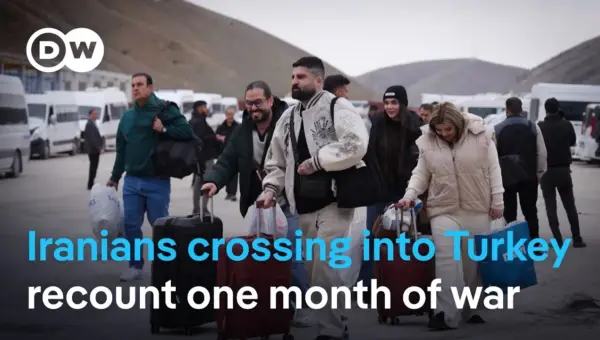
Iran War Exodus: Refugees Flee to Turkey Amidst Bombings
A train from Tehran brings refugees to Turkey, fleeing daily bombings and economic collapse. Many express deep fear for loved ones left behind, while some hold onto national pride and hope for victory. The conflict's impact is also felt economically in Turkey, with rising gas prices.