Iran War Threatens US Economy, Congressman Warns
Congressman Jim Himes warns that a war with Iran poses a severe economic threat to the U.S., citing unsustainable military spending and rising energy prices. He criticizes the lack of diplomatic strategy and the potential for wider conflict.

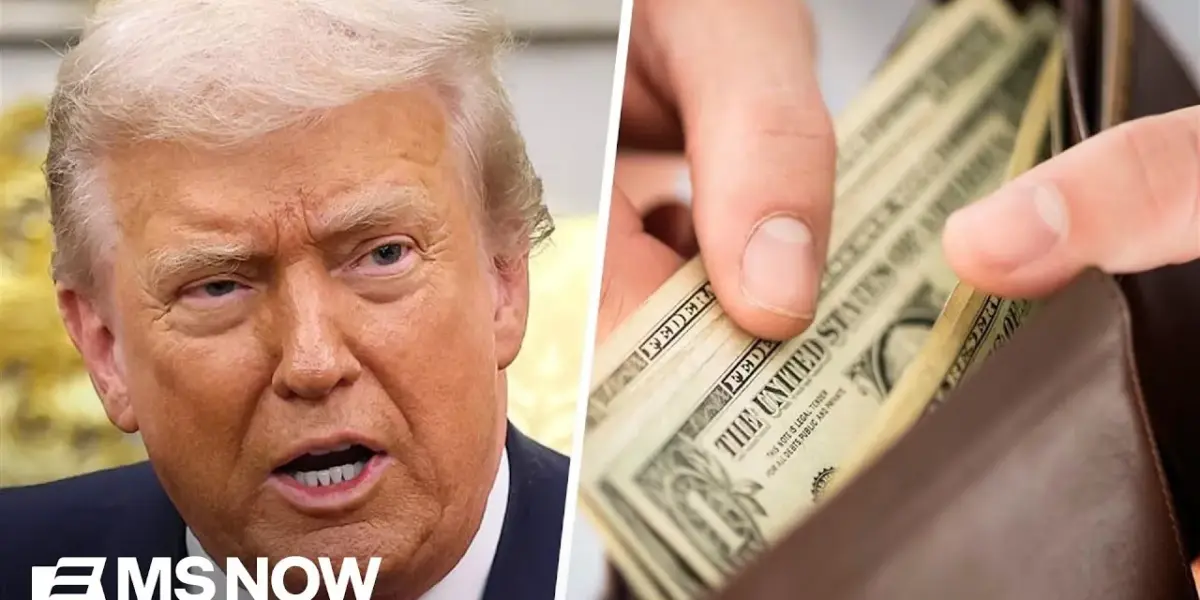
Himes Slams Iran Conflict as Economic Blow to U.S.
WASHINGTON D.C. – A potential war with Iran poses a significant threat to the already fragile U.S. economy, according to a top Democrat on the House Intelligence Committee. Congressman Jim Himes of Connecticut issued a stark warning, asserting that such a conflict would deliver a “big slap in the face” to American economic recovery, exacerbating issues like rising energy prices and job losses.
Munitions and Strategy: A Costly Imbalance
Himes highlighted a critical imbalance in the current conflict dynamics, pointing to the vast cost disparity between Iranian drone attacks and U.S. defensive capabilities. “We’re taking down $40,000 cheap drones with $2 million dollar Patriot missiles,” Himes stated, underscoring the unsustainable financial burden. He further elaborated on the time factor, noting that while “cheap drones” can be produced relatively quickly, “a Patriot missile or more advanced defensive system takes a long time” to build. This disparity, he explained, forms a key part of Iran’s strategy: conserving their own munitions to force adversaries, particularly Israel, into a position where they must allow some projectiles to pass through, potentially impacting populated areas. This tactic was observed during a previous 12-day conflict.
Diplomatic Stasis and Regional Concerns
The Congressman expressed skepticism regarding current diplomatic efforts to de-escalate the situation. “I’m not sure we’re in any discussion around how to find our way out of this,” Himes remarked. He contrasted the current situation with President Obama’s stated goal of ending conflicts, noting that the current administration’s approach, which assumes an outcome of “total and unconditional surrender,” is unrealistic. “This is not Venezuela, right? This is a radically different animal. And so that’s not how this ends,” he asserted.
Himes also raised concerns about the lack of consultation with key regional allies, particularly Gulf partners like Dubai, Qatar, and Bahrain. He posited that leaders in these nations, who have invested heavily in diversifying their economies away from oil towards finance and tourism, now find their progress jeopardized by the prospect of becoming “war zones.” While these leaders may maintain polite diplomatic relations, Himes suggested they likely harbor significant reservations about the wisdom of the current U.S. strategy, fearing it could escalate into a wider, more destabilizing conflict.
Economic Fallout: Energy Prices and Job Market
The economic repercussions of increased geopolitical tension in the Middle East are already being felt, Himes warned. “Nothing good, right?” he responded when asked about the impact on the economy, noting the immediate surge in oil prices and the volatility in the stock market. He drew a direct line from the conflict to the campaign promises of a previous administration, stating, “The reason number one was no more foreign wars and much lower prices. And instead, here we are, foreign wars… and much higher prices.”
Gasoline prices have already seen a significant increase, with Himes reporting a nearly 30-cent rise per gallon in the initial week of heightened tensions. He emphasized the pervasive impact of energy costs across the entire economy: “Everything that we make and buy and consume, energy is one of the critical inputs.” As oil prices approach $100 a barrel, Himes cautioned, businesses will slow down, costs will rise, and this will inevitably lead to layoffs. He pointed to recent grim jobs numbers as evidence of an economy already struggling, now facing further headwinds.
“We’ve already taken an economy that is wavering a little bit and given it a big slap in the face that it’s going to start manifesting pretty soon.”
Himes also critically referenced past policy decisions regarding energy, noting that a previous administration’s approach to improving the economy and affordability was centered on expensive oil and the cancellation of renewable energy projects like wind and solar. “You can’t make this stuff up,” he concluded, highlighting the perceived contradiction.
Looking Ahead
As the situation in the Middle East remains volatile, the economic consequences for the United States are a growing concern. Attention will likely focus on whether diplomatic channels can be effectively utilized to prevent further escalation, and how policymakers will address the twin challenges of geopolitical instability and its detrimental impact on American jobs and affordability.
Source: Rep. Himes: War with Iran is 'slap in the face’ to U.S. economy (YouTube)

Related Articles


MAGA’s ‘America First’ Doctrine: A New Foreign Policy Playbook?
Karoline Leavitt redefines 'America First' to include military action against terrorists, challenging traditional isolationist views. This analysis explores the doctrine's consistency with aid to Ukraine and humanitarian efforts, examining its historical roots and future implications.


Presidential Slumber Amidst Global Conflict: A Nation’s Concern
A President's apparent struggle to stay awake during a conference, while regional conflicts escalate, raises serious questions about leadership and national security. This analysis explores the geopolitical context, contrasts administrations, and discusses the implications of perceived presidential disengagement.
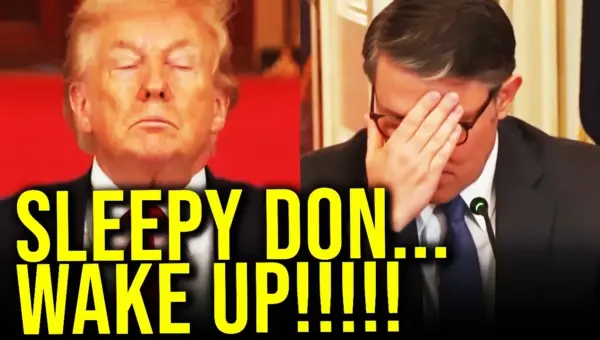
Presidential Slumber Amidst Escalating Global Conflict
Observed presidential fatigue during a critical period of escalating global conflict raises serious questions about leadership priorities and the human cost of war. As regional tensions surge, the commander-in-chief's apparent disengagement from vital meetings and dismissive attitude towards casualties sparks widespread concern.