Iran War Threatens Trump’s Presidency: Polls Plummet
The war in Iran is becoming a major political liability for President Trump, with escalating tensions, economic fallout, and declining poll numbers. Despite claims of victory, the conflict's prolonged nature and domestic disruptions are fueling public discontent and raising questions about Trump's leadership.

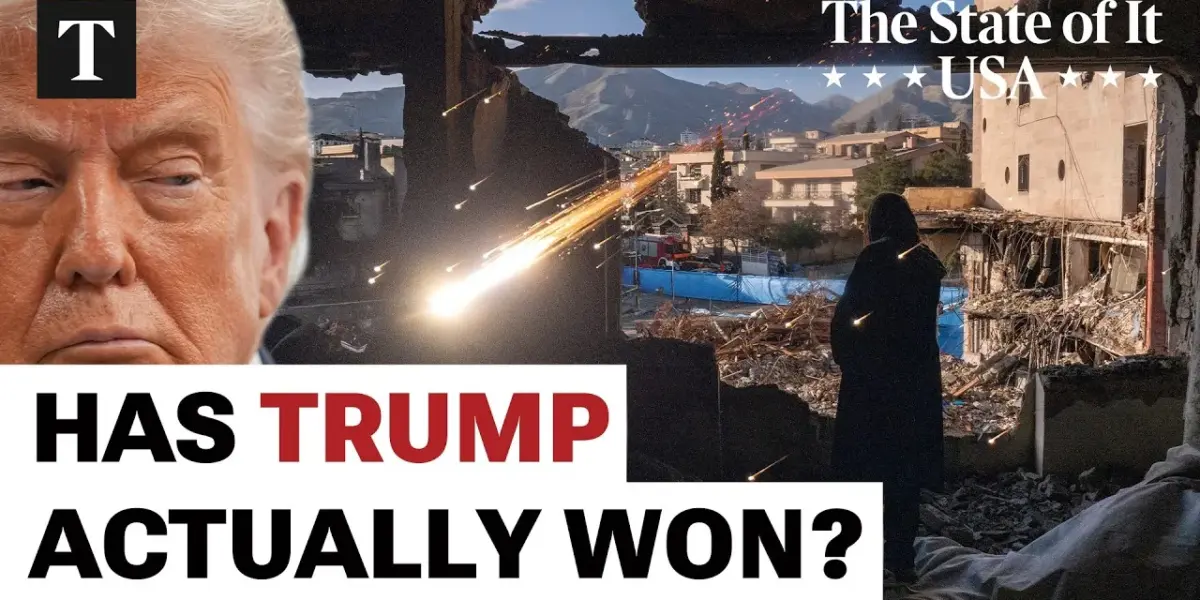
Trump’s Iran War Blunder: A Political Minefield
President Trump is facing mounting pressure as the conflict in Iran, initially touted as a swift victory, shows signs of becoming a significant political liability. Diplomatic efforts are intensifying, but troop movements suggest a potential escalation, raising concerns about a prolonged and costly engagement. This situation is casting a shadow over Trump’s presidency, with public opinion and economic consequences becoming increasingly difficult to manage.
Washington Grapples with Uncertainty
In Washington, a sense of weariness pervades discussions about the Iran conflict. Even among Republicans, there’s a palpable skepticism regarding Trump’s pronouncements of victory. “Oh yes, we’ve won the war, but still we’re going to have to deal with all the economic consequences of this,” one Republican insider remarked, highlighting the disconnect between presidential claims and the ongoing challenges.
The administration’s timeline for resolving the conflict has repeatedly shifted, adding to the uncertainty. Initial estimates suggested a four to six-week resolution, a timeframe that has now been revisited multiple times. As this deadline approaches, concerns about potential panic and the complex diplomatic negotiations required to end the war are growing.
A Multitude of Negotiators, Murky Outcomes
President Trump has emphasized a broad involvement in the negotiations, naming Vice President Mike Pence, Jared Kushner, and Steve Bannon among those engaged. However, the effectiveness of this diverse team remains in question. The Iranian regime has reportedly expressed a preference for dealing with Vice President Pence, a move that analysts suggest could be a strategic maneuver to exploit divisions within the administration.
“The president has been very keen to stress that everyone is involved. JD is involved and Marco is involved and Jared Kushner is involved. Very smart guy and and Steve Whit smart guy is involved and I’m involved. I’m involved. Why? I’m not I’m going to be so big. Oh, I don’t want to talk about I’m the president of the United States.”
Iran’s Survival: A Victory for the Regime?
Reporting from Iran remains limited due to the authoritarian nature of its government. Despite hopes that the Iranian people might rise up against the regime once military action ceases, this scenario appears increasingly unlikely. Instead, intelligence suggests the regime may emerge stronger, emboldened by its survival.
While the military campaign has successfully targeted Iran’s missile capabilities and military infrastructure, the broader strategic battle is far from won. The closure of the Strait of Hormuz, disrupting global shipping and oil prices, has inflicted significant economic and political pain on the United States and its allies. This economic pressure appears to have forced Trump’s hand, leading to what some perceive as a backing down from earlier threats.
Market Turmoil and Allegations of Insider Trading
The fluctuating rhetoric surrounding the conflict has coincided with suspicious market activity. A dramatic shift in Trump’s stance, from threatening to “wipe out” Iran’s power infrastructure to announcing “incredibly fruitful negotiations” within a 48-hour period, has raised eyebrows. This rapid change occurred just before market openings, prompting accusations of insider trading.
Reports indicate massive bets placed on falling oil prices and rising stock markets moments before Trump’s announcement. This suggests that individuals with privileged information may have profited significantly, leading to concerns about the “bananization” of the United States. A White House spokesperson has stated that the administration does not tolerate illegal profiteering from insider knowledge, but the perception of endemic corruption persists.
Negotiations and the Specter of Escalation
Talk of a 15-point plan has emerged, a familiar diplomatic tactic for Trump. However, the fundamental reality remains that if Iran’s regime survives and maintains control of the Strait of Hormuz, the war cannot be considered a victory for the United States. For Iran, survival and continued control would constitute a significant win.
The possibility of deploying additional troops, including paratroopers, is being discussed. While these numbers are relatively small, they raise fears of an “escalation trap,” similar to historical conflicts where limited deployments led to prolonged engagements. The administration’s strategy appears to be a dual approach: pursuing negotiations while simultaneously deploying forces, a move that could be interpreted as a bluff or a genuine preparation for further action.
Domestic Woes Undermine War Message
The Iran conflict is increasingly seen as a domestic political liability for Trump. Rising oil prices are directly impacting American consumers, with flight costs increasing and gasoline prices soaring. This economic strain, coupled with chaos at airports due to a funding dispute in Congress, is undermining Trump’s message on the economy and fueling public discontent.
The ongoing government shutdown over Homeland Security funding has led to significant disruptions at airports, with TSA agents not being paid and long security lines becoming commonplace. This domestic turmoil, combined with the perceived mishness of the Iran war, is creating a challenging political environment for Trump and the Republican party.
Polls Show Declining Approval and Electoral Setbacks
President Trump’s approval ratings are at historic lows, even trailing behind those of former President Biden during a period of significant public disapproval. Special elections across the country are reflecting this trend, with Democrats winning seats previously held by Republicans. The symbolic victory of a Democrat winning a state house seat covering Mar-a-Lago, Trump’s Florida residence, underscores the erosion of Republican support.
The enthusiasm gap between Democratic and Republican voters is widening, with Democrats showing greater eagerness to vote. While much can change before the next election, the current trajectory suggests a difficult road ahead for Trump and the Republican party. The Iran war, combined with domestic economic challenges and political setbacks, is creating a storm of negative sentiment that could significantly impact Trump’s political future.
What’s Next?
As the situation in Iran remains fluid, all eyes will be on the upcoming diplomatic negotiations and any potential troop movements. The administration’s ability to navigate the complex geopolitical landscape while addressing domestic economic concerns and political fallout will be crucial. The coming weeks will likely reveal whether Trump can extricate himself from the Iran conflict without further damaging his presidency and his party’s standing.
Source: Is the Iran War Trump’s Biggest Political Liability? (YouTube)

Related Articles
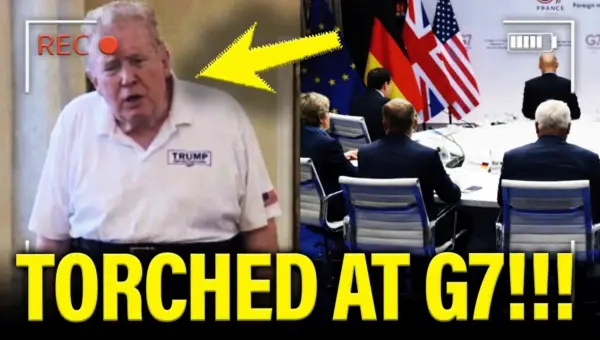
G7 Leaders Clash Over Trump’s Iran Policy Amidst Global Crisis
World leaders at a G7 meeting voiced sharp criticism of Donald Trump's Iran policy, citing concerns over the Strait of Hormuz and a looming global recession. Disagreements emerged regarding strategy and accusations of misinformation, highlighting deep divisions.
Trump’s Oil Market Influence Wanes Amidst Global Instability
Former President Donald Trump's attempts to influence oil markets have reportedly failed, raising concerns about his diminishing credibility. Analysts compare his approach to "the boy who cried wolf," suggesting a loss of trust among market participants. The discussion also touched upon the use of personal devices for government communication and the vetting of political candidates amidst controversial remarks.
Trump’s War Talk Distracts as World Burns
As global conflicts escalate and economic pressures mount, Donald Trump's focus on past grievances and symbolic wins overshadows pressing issues. His rhetoric, including questionable claims about ending wars and strategic use of terminology to bypass Congress, raises concerns about leadership and national priorities.