Iran War Threatens Pakistan’s Fuel Supply, Sparks Price Hikes
Pakistan is facing a critical fuel shortage, with depleted reserves and disrupted import routes due to the Iran conflict. In response, the government has announced historically large price increases for petrol and diesel, sparking widespread concern over inflation and economic hardship.


Pakistan Faces Fuel Crisis Amid Iran Conflict, Government Announces Price Surge
ISLAMABAD, Pakistan – Pakistan is grappling with a severe fuel shortage, with reports indicating that some petrol stations have run dry and others have enough stock for only a few more hours. The crisis, exacerbated by the ongoing conflict involving Iran, has led the Pakistani government to announce a significant increase in fuel prices, sending shockwaves through the nation’s already struggling economy.
Supply Lines Threatened by Regional Instability
The root of Pakistan’s current predicament lies in the disruption of vital shipping routes due to the escalating tensions in the region, particularly concerning Iran. Pakistan relies heavily on oil imports from Saudi Arabia and the United Arab Emirates, which are typically transported through strategic waterways. The conflict has created uncertainty and potential blockades along these routes, directly impacting the consistent flow of fuel into the country.
According to government statements, Pakistan possesses diesel and petrol reserves sufficient for approximately 28 days, with LPG supplies lasting around 15 days. However, the looming threat of supply line disruptions means these reserves could be depleted much faster if imports are halted. The closure of critical passages, like the Strait of Hormuz, could leave Pakistan in a precarious energy situation, potentially leading to a complete standstill.
Historic Fuel Price Increases Announced
In response to the looming shortages and to manage the existing reserves, the Pakistani government has implemented a substantial hike in petrol and diesel prices. This move, described as a historically large increase, aims to curb demand and align with the fluctuating global energy market, which is itself heavily influenced by geopolitical instability.
“There is a state of concern right now. Everyone’s business is in dire straits. White-collar workers are particularly stuck. In this era of inflation, not just petrol has become expensive by Rs. 55; everything from transportation to food will become costly. Where will people earn? Where will they eat? What will happen? So, the government should think a little, take some sense, and consider what people will do.”
The sentiment expressed by citizens highlights the widespread anxiety and the potential ripple effect of the fuel price increase. The rise in fuel costs is expected to trigger further inflation across all sectors, impacting the cost of essential goods and services and placing immense pressure on households already struggling to make ends meet.
Government Implements Economic and Social Measures
Beyond the price adjustments, the government has outlined a series of measures designed to mitigate the impact of the crisis and adapt to the new economic reality. These include:
- Weekly Price Revisions: Fuel prices will now be reviewed and potentially adjusted on a weekly basis, allowing for more dynamic management of the volatile market.
- COVID-Style Restrictions: The government is reintroducing measures reminiscent of the COVID-19 pandemic to reduce energy consumption and economic activity.
- Increased Work From Home: For eligible employees, there will be an increase in opportunities to work from home.
- Online Education: Educational institutions will increasingly utilize online seminars and remote learning options.
- Extended School Holidays: Extra holidays are being introduced for schools to reduce commuting and energy usage.
These measures suggest a proactive, albeit challenging, approach by the government to navigate the unfolding energy crisis and its broader economic consequences. The reintroduction of such measures underscores the severity of the situation and the government’s attempt to balance economic necessity with social welfare.
A Crisis Deepens Beyond Fuel Availability
The fuel crisis in Pakistan is not merely a matter of depleted reserves; it is a symptom of deeper economic vulnerabilities and the far-reaching impact of international conflicts. Even before official supply lines are completely severed, the anticipation of shortages and the resultant price hikes have already created significant hardship for the populace. Businesses are facing operational challenges, and ordinary citizens are worried about their ability to afford basic necessities.
The situation underscores Pakistan’s dependence on imported fuel and its susceptibility to geopolitical events in neighboring regions. The conflict involving Iran has brought these vulnerabilities into sharp focus, highlighting the need for energy security and diversified import sources.
Looking Ahead: Energy Security and Economic Resilience
As Pakistan navigates this critical juncture, the focus will remain on securing stable fuel imports and managing the inflationary pressures. The government’s ability to implement its announced measures effectively, coupled with potential diplomatic efforts to ensure the safety of shipping lanes, will be crucial. The coming weeks will be a key test of Pakistan’s economic resilience and its capacity to adapt to an increasingly volatile global energy landscape. The long-term implications for Pakistan’s economy and its citizens’ livelihoods hinge on a swift and effective resolution to this multifaceted crisis.
Source: How the Iran war is draining Pakistan’s fuel supply | DW News (YouTube)

Related Articles


G7 Allies Clash Over Iran War Strategy, Urge Focus on Russia
G7 foreign ministers met in Paris, revealing deep divisions over the U.S. war with Iran. European allies urged the U.S. to pressure Russia, linking its actions to the conflict and fearing support for Ukraine will wane.
Iran Blocks China Ships, Exposing Beijing’s Weak Grip
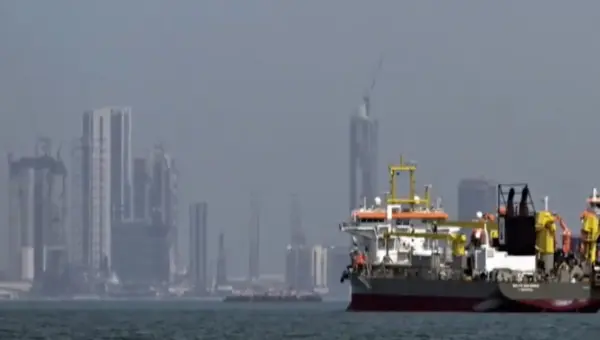
Iran's recent decision to block Chinese ships at the Strait of Hormuz is exposing the limits of Beijing's influence in the Middle East. This action is causing delays and cancellations for Chinese manufacturers, turning a perceived geopolitical win into an economic strain.
Trump’s “Walk Away” Tactic Signals Tougher Stance on China
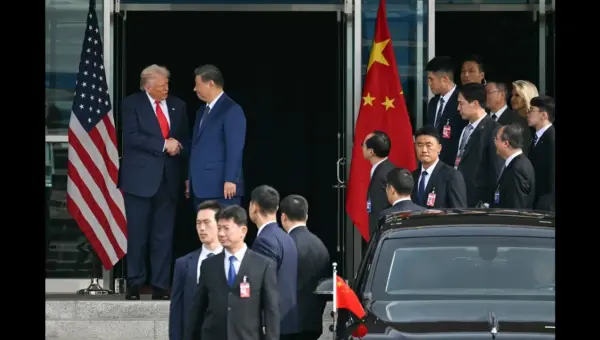
Retired Air Force Brigadier General David Stillwell believes President Trump's strategy of being willing to walk away from negotiations puts pressure on China. This tactic, combined with US global actions and strengthened alliances, signals a more assertive American foreign policy.