Iran War Threatens Global Economy, Oil Prices Soar
Geopolitical tensions in Iran are now the primary market driver, pushing oil prices higher and casting a shadow over economic growth forecasts. While AI remains a long-term trend, investors are focused on the immediate impact of the conflict. Analysts have lowered S&P 500 return expectations, anticipating single-digit gains in the near future.

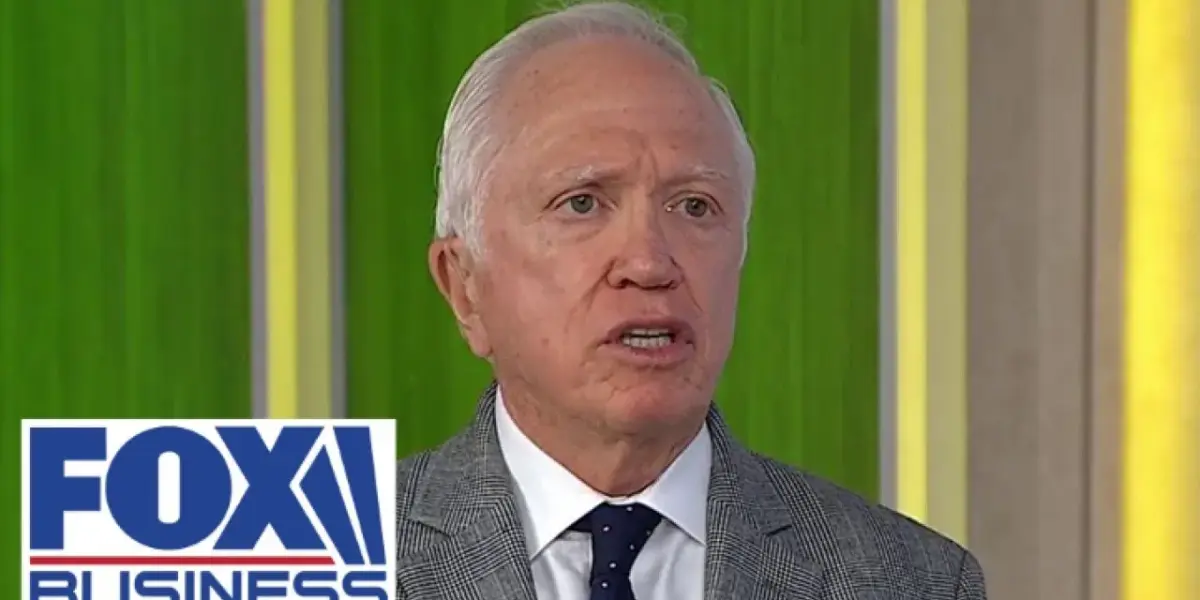
Iran Conflict Escalates, Rattling Global Markets
The escalating conflict in Iran has become a major concern for global markets, overshadowing other significant economic trends like artificial intelligence and declining free cash flows. The war’s potential to disrupt oil supplies is sending prices higher and forcing analysts to reassess economic forecasts.
AI Disruption Remains a Backdrop
While the Iran war is the immediate focus, the ‘AI disruption story’ continues to be a significant factor in the market. This refers to how artificial intelligence could dramatically change industries and company performance. However, the current geopolitical uncertainty has pushed this concern to the background for many investors.
S&P 500 Faces Slower Growth
Analysts have already lowered their expectations for the S&P 500, the benchmark for U.S. stock market performance. The expected return for the next couple of years is now in the single digits. This adjustment is largely due to the ongoing conflict and its broader market impact. The hope is that once the war concludes, the market can return to more normal conditions.
War Scenarios and Market Outlook
The base case scenario for the conflict is a quick resolution, potentially leading to an S&P 500 target of 7500 within the year. However, defining a ‘quick end’ is difficult and depends on how one interprets the situation. This uncertainty makes predicting the market’s path challenging.
“It is like a multi-dimensional chess game with a lot of smart people and it’s really hard to sort out how it ends.”
Another potential scenario involves a ‘regime change,’ which could push the S&P 500 to 8200. While some analysts believe this is less likely, others suggest it should not be discounted. The market needs to see clear signs of progress before significant upside can be expected.
Iran Conflict Widens, Oil Facilities at Risk
The conflict has widened, with neighbors showing solidarity against Iran. A major concern is the potential targeting of key oil facilities. If facilities on Kharg Island or major oil refineries in Saudi Arabia are attacked, the conflict could linger longer. This would significantly impact the global economy and likely lead to further reductions in GDP forecasts.
Alternative Investments Face Scrutiny
The U.S. Department of Labor is looking into alternative investments like private equity and private credit. These areas have been volatile, with stocks experiencing significant drops. While offering potential diversification, these investments are complex and carry risks.
Safeguards Needed for Retail Investors
There is a strong argument for implementing safeguards when allowing everyday investors, such as those with 401(k) plans, access to alternative investments. These investments are typically suited for sophisticated investors with long-term horizons and no immediate need for their money. The average retail investor may not have these characteristics, making them vulnerable.
Private Debt Funds Cause Concern
Private debt funds, in particular, have caused trouble, especially for retail investors seeking to withdraw their money. The principle of ‘buyer beware’ doesn’t always apply when individuals cannot access their retirement savings when needed.
Energy Stocks Show Resilience
Despite broader market concerns, energy stocks remain attractive. One oil company stock, mentioned in July at $5.50, has since doubled, indicating strong performance. Fund managers continue to favor the energy sector, owning major players like Chevron.
Oil Prices Expected to Rise
The outlook suggests that oil prices are likely to continue rising, even if they don’t immediately return to $60 per barrel. Larger, diversified energy companies like Chevron are seen as solid investments within this sector.
Semiconductor Stocks Face Pressure
In contrast to energy, semiconductor stocks like Micron are currently facing significant selling pressure. Despite reporting strong results, the stock has fallen sharply, a common occurrence known as ‘sell on the news.’ Concerns about algorithms and factors hurting the business are contributing to the decline.
Opportunity in Tech Downturn?
However, some analysts see a potential buying opportunity in these beaten-down tech stocks. Companies that are increasing free cash flow, especially those with an ‘oligopoly’ (a market dominated by a few sellers), are attractive. Despite near-term issues, their strong financial metrics, such as trading at four times earnings, make them worth considering for the long term.
Defensive Names Offer Stability
While tech stocks face challenges, large defensive names are still considered a sound investment strategy. These companies tend to perform better during uncertain economic times, offering a degree of stability for portfolios.
Source: This is like playing a multi-dimensional chess game, Federated Hermes CEO says (YouTube)

Related Articles


Middle East Conflict Sends Gas Prices Soaring Past $4
The national average gas price has surpassed $4 per gallon for the first time since 2022, driven by escalating conflict in the Middle East. Recent attacks on oil tankers and military strikes have heightened fears of energy supply disruptions, impacting consumers globally.


Trump Weighs War Crime Threat Over Iran Strait
President Trump is reportedly willing to accept the continued closure of the Strait of Hormuz, despite earlier threats, signaling a shift in U.S. demands. This comes as gas prices surge and markets react negatively to the ongoing conflict. Conflicting messages from within the administration fuel confusion about the war's objectives and exit strategy.


Trump’s Iran War Falters, Retreat Looms Large
Reports indicate a potential shift in the Trump administration's strategy regarding Iran, moving from ambitious military goals to a possible withdrawal. This pivot raises questions about effectiveness, regional stability, and the evolving nature of modern warfare.