Iran War Spikes Gas, Food, and Plastic Prices
The conflict in Iran is driving up gas prices to multi-year highs, with the average gallon now costing around $4. This geopolitical event is also expected to increase costs for medicines, plastics, and groceries due to potential disruptions in key shipping routes like the Strait of Hormuz.

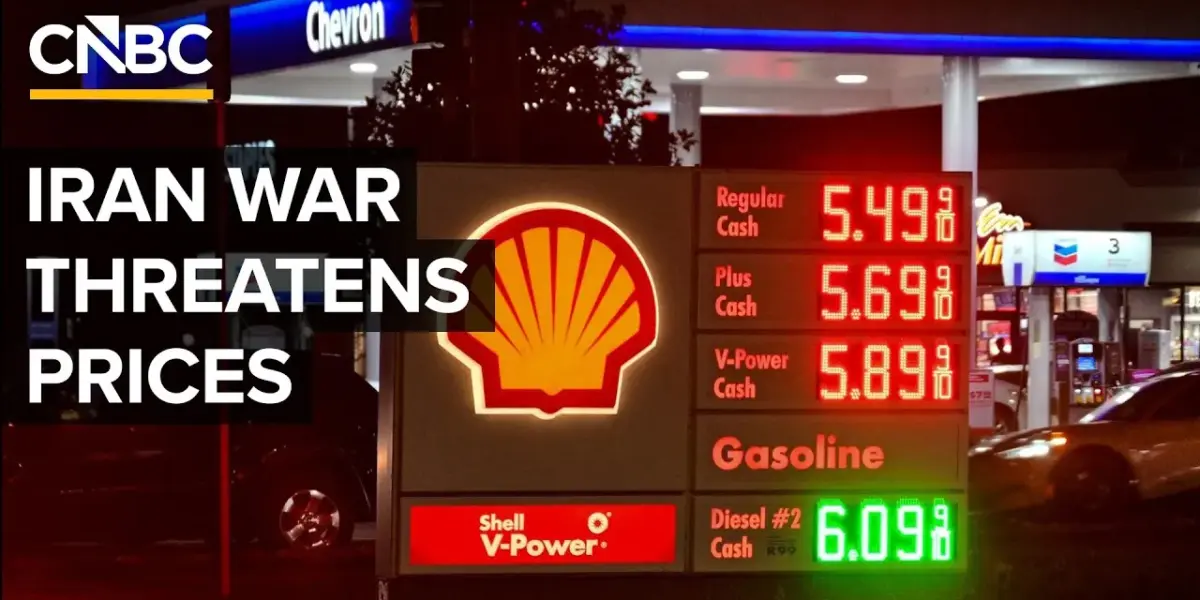
Iran Conflict Fuels Price Hikes Across U.S. Economy
Gasoline prices have surged across the United States, reaching their highest levels in years following the start of the conflict in Iran. The average price per gallon climbed to about $4 on Monday, signaling broader economic ripples that will affect everyday American consumers. The impact isn’t limited to the pump; Americans are already feeling the pinch on essential items like medicines, plastics, and groceries.
Strait of Hormuz Closure Threatens Supply Chains
A key concern is the potential closure of the Strait of Hormuz, a vital waterway through which a significant portion of global oil and goods transit. If this strategic chokepoint were to be disrupted for an extended period, it could severely impact the U.S. economy and consumer costs. While a brief disruption might not cripple the economy, prolonged blockades present a serious challenge that requires careful consideration.
Fertilizer Costs Soar, Threatening Crop Yields
The agricultural sector faces immediate pressure. A substantial amount of fertilizer used in the U.S., particularly urea-based fertilizers crucial for corn crops, passes through the Strait of Hormuz. One corn grower reported purchasing fertilizer in January for approximately $350 per ton. This same fertilizer is now being offered at about $650 per ton, a nearly 86% increase. This sharp rise in fertilizer costs comes at a critical time for farmers preparing for the spring planting season. The availability and cost of fertilizer directly influence how much land they can plant and, consequently, their expected harvest yields in the fall.
Plastic Prices Set to Climb
The production of plastics, a ubiquitous material in modern life, is also under threat. Polyethylene, the world’s most common plastic used in packaging, construction, and automotive industries, faces supply chain disruptions. Approximately 15% of the world’s polyethylene originates from the Middle East, with a staggering 84% of these exports traveling through the Strait of Hormuz. This bottleneck will likely first affect packaging companies, who will then pass increased costs to businesses using their packaging. Consumers will ultimately bear the brunt of these rising expenses.
Helium Shortages and Semiconductor Impact
The conflict’s reach extends to critical industrial gases like helium. Around 27% of the global helium supply could be affected by the disruption. Qatar, a major producer, supplies about one-third of the world’s helium, which is indispensable for medical equipment like MRI machines and the manufacturing of semiconductors. Recent attacks on liquefied natural gas (LNG) facilities in Qatar, alongside potential Strait of Hormuz closures, have already sent helium prices soaring. With no viable alternatives, this shortage could slow down the production of semiconductors used in everything from consumer electronics to automobiles, potentially leading to price increases in these sectors.
Aluminum and Pharmaceutical Costs on the Rise
Aluminum, a key component in laptops, cars, and beverage cans, has been significantly impacted. The U.S. imports about 90% of its aluminum, with roughly 20% originating from the Persian Gulf region. Three-month aluminum futures on the London Metal Exchange recently hit a four-year high, reflecting the market’s concern. Furthermore, the pharmaceutical industry, particularly generic drug manufacturing in India, faces challenges. About 50% of generic medicines in the U.S. are produced in India. If shipping through the Middle East becomes more expensive or impossible due to the conflict, the cost of these vital drugs could rise for American consumers. Many manufacturers maintain 30 to 60 days of buffer stock, but extended conflict could lead to shortages or significant price spikes.
Timeline for Price Increases
Even if the conflict were to end immediately, the effects would take time to filter through the complex global supply chains. Experts suggest that price increases for affected goods could appear in the U.S. within the next 30 to 45 days, meaning consumers might see higher prices in about one to two months. A prolonged disruption to the Strait of Hormuz would exacerbate these issues, leading to sustained price hikes for everyday items.
Political Ramifications Ahead of Midterms
These potential price increases arrive at a politically sensitive time. With the 2026 midterm elections approaching, rising inflation could pose a significant challenge for the incumbent party. Concerns about affordability and the economy are top priorities for voters. Democrats may seek to attribute blame to Republicans if consumers feel the economic strain directly. Conversely, Republicans likely hope for a swift resolution to the conflict, minimizing the impact on American households and their electoral prospects.
“The impacts of the war in Iran and the closure of the Strait of Hormuz could ripple through the entire economy.”
Market Impact
The conflict in Iran and potential disruptions to the Strait of Hormuz create significant headwinds for global supply chains. Key commodities like oil, fertilizer, polyethylene, helium, and aluminum are directly affected. Investors should monitor developments closely, as price volatility in these sectors could impact a wide range of industries, from agriculture and manufacturing to healthcare and consumer electronics. The interconnectedness of global trade means that regional conflicts can have far-reaching economic consequences.
What Investors Should Know
Investors looking at the current market landscape should be aware of several key factors. First, the elevated price of oil and its derivatives will likely impact transportation and manufacturing costs across the board. Second, disruptions to key raw materials like fertilizer and polyethylene could affect corporate earnings in the agricultural and consumer goods sectors. Third, the rising cost of essential components like semiconductors and aluminum may influence the profitability of technology and automotive companies. Finally, the geopolitical uncertainty surrounding the conflict adds a layer of risk, potentially leading to increased market volatility. While the immediate effects are being felt in commodity prices, the longer-term implications for inflation and consumer spending will be crucial to watch as the situation evolves.
Source: How The Iran War Could Raise The Cost Of Medicine, Plastics And Groceries (YouTube)

Related Articles

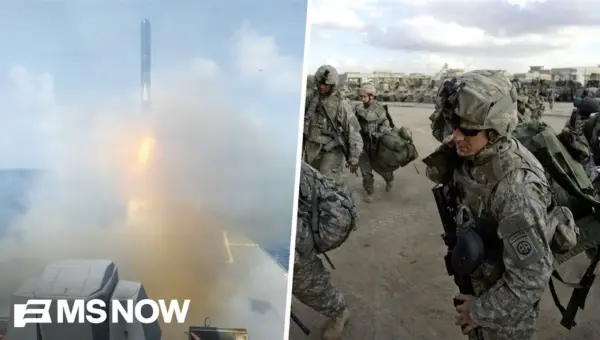
Iran Missile Strikes Injure US Troops, Raise War Concerns
Iranian missile strikes have injured U.S. service members, escalating tensions as the conflict nears one month. The attacks are raising concerns about the effectiveness of U.S. military strategy and the depletion of crucial missile stockpiles. Global oil prices have surged, impacting economies worldwide.


Iran War Claims Ring Hollow as US Troops Injured in New Attack
Days after Donald Trump claimed "we've won" the war with Iran, a new attack injured approximately a dozen U.S. troops and damaged aircraft. This incident contradicts Trump's assertions of victory and raises serious questions about the strategy and reality of the ongoing conflict.

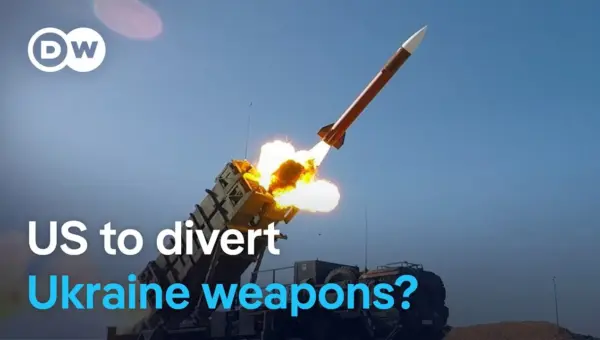
US Weighs Shifting Ukraine Weapons to Iran Amid Missile Shortage
The U.S. is reportedly considering diverting weapons destined for Ukraine to support operations against Iran, driven by rapidly depleted missile stocks. This potential shift raises concerns about Ukraine's defense capabilities and highlights the complex interplay between global conflicts.