Iran War Sparks Oil Surge to $150?
Iran's escalating attacks are driving oil prices toward $150 a barrel, with a former Trump advisor warning the U.S. economy can't handle such costs. The Pentagon's massive budget request suggests a prolonged conflict, raising fears of inflation and recession.

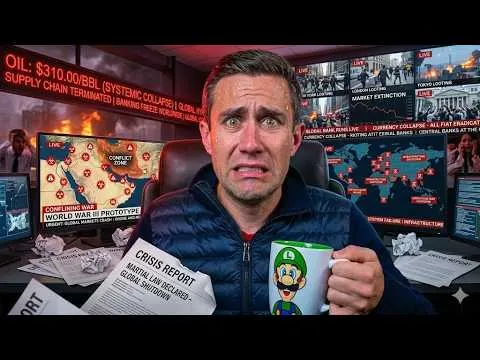
Iran Conflict Pushes Oil Prices Skyward, Threatening U.S. Economy
Escalating tensions with Iran are sending shockwaves through global energy markets, with oil prices potentially soaring to $150 a barrel if the conflict continues. This surge comes as a former Trump White House insider warns the U.S. economy is too fragile to withstand such high energy costs, raising concerns about inflation and a potential recession.
Oil Prices Surge Amid Retaliation
Iran has stepped up its drone and ballistic missile attacks, targeting oil and natural gas facilities in the region. These actions are seen as retaliation for strikes by Israel and the United States against Iran’s energy infrastructure. Natural gas is a significant part of Iran’s economy, making up 8.8% of its gross domestic product.
Brent crude oil, a global benchmark, has already climbed to $111 per barrel. Analysts predict it could reach $120 by the end of the month if the conflict persists. UBS has set a price target of $150 per barrel for Brent crude by the end of April, a level that Goldman Sachs identifies as a recessionary trigger.
Economic Weakness and Inflation Worries
Adding to the concerns, E.J. Antoni, a former Trump White House economic advisor, stated that the U.S. economy is too weak to handle oil prices at $100 per barrel. He argues that rising consumer prices, exacerbated by the conflict, are worsening the situation. Antoni’s remarks echo the Federal Reserve’s own concerns about the job market. Fed Chair Jerome Powell has suggested that the economy might be generating very few new jobs, especially when accounting for potential overcounting in official reports.
The economy was already showing signs of strain before the recent escalation. Fourth-quarter Gross Domestic Product (GDP) was revised down to just 0.7% from an initial estimate of 1.4%. This slowdown occurred partly during a government shutdown, making it difficult to pinpoint the exact impact of other economic factors.
Pentagon Seeks Massive Budget Increase
The U.S. Department of Defense is requesting over $200 billion in additional funding for the conflict with Iran. This substantial request suggests that the Pentagon anticipates a prolonged engagement. Some White House officials doubt Congress will approve the full amount, but the request itself signals a ramp-up for a potentially long war.
The cost of the first week of the conflict alone exceeded $11 billion. At that pace, the Pentagon’s request could cover approximately 18 weeks of operations, roughly four months. If the war were to continue until the end of April, as some forecasts suggest, the financial implications would be immense.
Consumer Strain and Recession Fears
Analysts are worried that the current economic climate, combined with high energy prices, could severely impact consumers. Reports indicate that real disposable income has been flat, and the savings rate is declining. The increasing reliance on ‘buy now, pay later’ services, which may see reduced funding, further highlights consumer vulnerability.
The combination of geopolitical instability, rising energy costs, and underlying economic weaknesses creates a challenging outlook. The hope among economists is that the conflict will de-escalate quickly, allowing oil prices to fall back from their current highs and preventing further damage to consumer spending and the broader economy.
Market Impact
Investors are closely watching the developments in the Middle East and their impact on energy markets. A sustained high oil price environment could lead to increased inflation, potentially forcing central banks to maintain higher interest rates for longer. This could dampen economic growth and affect corporate earnings across various sectors. Sectors heavily reliant on consumer spending may face headwinds, while energy companies could see increased profits. The broader market sentiment could also turn negative if fears of a recession intensify.
What Investors Should Know
The current situation presents a complex risk-reward scenario for investors. While rising oil prices may benefit energy stocks in the short term, the potential for a recession and broader economic slowdown poses a significant threat. Investors should monitor geopolitical developments, central bank policies, and economic data closely. Diversification across asset classes and sectors may be crucial to navigate the potential volatility ahead. The long-term implications depend heavily on the duration and intensity of the conflict and the resulting economic response.
Source: f**k (YouTube)

Related Articles


US War Funding Faces Congress, Iran Conflict Looms
The Pentagon's request for $200 billion for operations against Iran faces significant opposition in Congress, driven by election year concerns and the war's economic impact on Americans. Diplomatic efforts are indirect, and public support remains low, raising questions about the conflict's sustainability and strategic direction.


Global Shortages Hit Helium, Fertilizers Amid War
Global shortages are expanding beyond oil and gas, now impacting critical materials like helium and fertilizers. These supply disruptions threaten tech manufacturing and food production, raising concerns about inflation and economic growth. The situation signals a widening global supply shock with significant market implications.


Senate Funds DHS, Easing Airport Chaos: What’s Next?
The Senate has agreed to fund the Department of Homeland Security, excluding ICE and Border Patrol, a move aimed at easing airport disruptions. Meanwhile, global markets react to ongoing tensions with Iran, and the Justice Department launches investigations into medical school admissions.