Iran War Sparks Oil Price Surge, Threatens Global Economy
The war with Iran has sent oil prices soaring above $100 a barrel, raising concerns about global economic stability. While White House officials downplay the impact on the U.S. economy, experts warn of rising consumer costs and widespread business uncertainty. The conflict adds another layer of pressure to an economy already grappling with inflation and trade tensions.

Oil Prices Climb Amid Iran Conflict
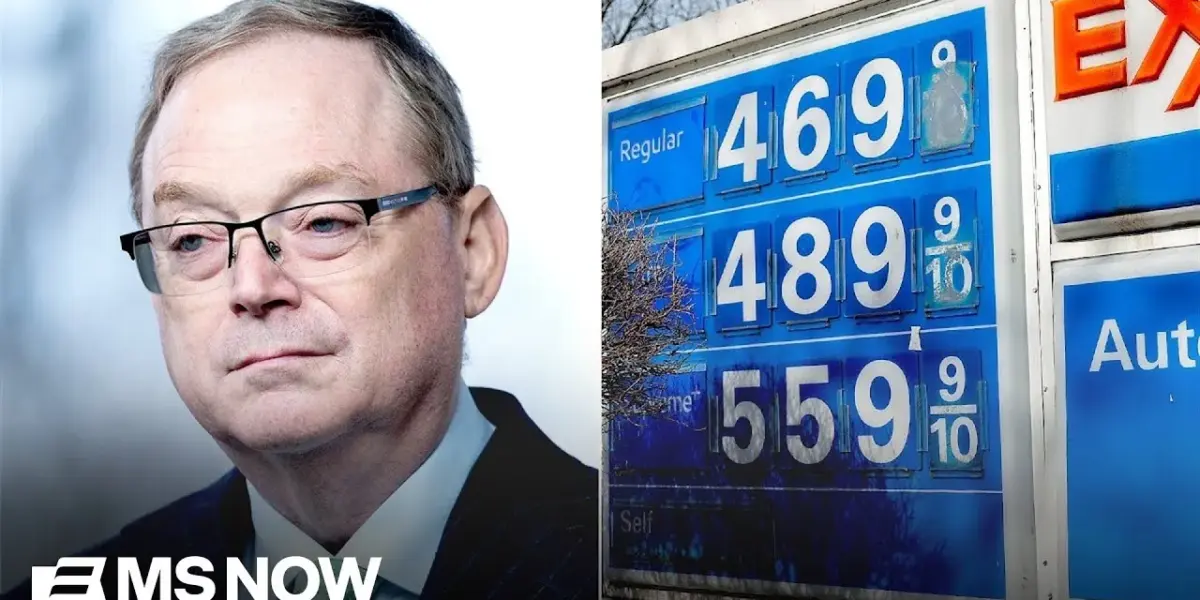
Global markets are facing increasing economic risks due to the ongoing war with Iran. Oil prices have resumed their upward climb, with Brent crude surpassing the $100 mark. This surge directly impacts consumers through higher prices for gasoline, diesel, and jet fuel, essential components that keep the global economy running smoothly.
White House Downplays Economic Impact
Despite rising oil prices and growing market concerns, White House Economic Advisor Kevin Hassett stated that the U.S. economy is fundamentally sound. He suggested that even an extended conflict would not significantly disrupt the American economy. However, he acknowledged that consumers would feel the pinch and that the administration would need to consider further actions if the situation persisted. Hassett emphasized that this concern was a low priority compared to their confidence in the conflict’s progression.
Experts Warn of Broader Economic Fallout
CNBC contributor Dan Nathan and former Treasury Secretary and Yale Law Professor Nasha Cern expressed skepticism regarding Hassett’s optimistic outlook. They pointed to immediate real-world effects, such as rising gas prices, which impact farmers through increased diesel and fertilizer costs. Businesses, even those unrelated to the conflict’s immediate region, are hesitant to hire or expand due to the uncertainty of war.
“The report found serious problems and suggests new rules that would affect all holders.”
– Dan Nathan
Nathan explained that while stock owners might feel better, higher input costs for businesses inevitably lead to higher prices for consumers. He highlighted that gas prices have jumped significantly, removing billions of dollars in purchasing power. This disproportionately affects lower-income consumers, creating a “K-shaped” economy where the gap between higher and lower earners widens. With consumer spending making up two-thirds of U.S. GDP, such a hit could signal a downturn, especially considering recent labor market trends.
Global Economic “World War” Intensifies
The economic impact extends far beyond the United States. Cern noted that countries in South Asia are already rationing energy, closing schools, and shortening workweeks. Axios has dubbed this situation an “economic world war.” She described the economy as facing multiple layers of uncertainty, with the war’s implications on energy prices being just one factor.
The conflict also affects fertilizer supplies, which are heavily reliant on the Strait of Hormuz. This disruption threatens food prices and the cost of numerous consumer goods globally. Compounding these issues are ongoing trade wars initiated by the current administration, which have imposed high tariffs, further pressuring prices upward. Add to this the uncertainties surrounding the labor market and the rapid advancement of artificial intelligence, and the global economic outlook appears increasingly precarious.
Administration’s Conflicting Messages
Despite these widespread concerns, the administration repeatedly claims to be “ahead of schedule” without providing a clear plan. Cern recalled the President’s State of the Union address, where he cited falling gas prices as a sign of economic strength, only for the Middle East war to emerge shortly after, counteracting those positive trends. When asked about the endgame, the administration offers mixed responses, suggesting either a swift end to the war or abstract benefits from geopolitical uncertainty.
Cern concluded that neither the administration nor the public has clear answers regarding the conflict’s purpose or its ultimate resolution. Nathan added that while the U.S. economy has shown resilience, prolonged stress from inflation, tariffs, and war could cause even strong economies to falter. He pointed to recent significant job cuts at major companies like Amazon and Cash App, questioning whether artificial intelligence alone explains this trend. The uncertainty, he believes, is forcing corporations to be extremely cautious, leading to layoffs.
Signs of Economic Slowdown
Current economic indicators suggest a slowdown. While unemployment remains relatively low at 4.4%, job gains have slowed to levels not seen in 20 years. GDP growth has also missed expectations, with projections for 2024 and 2025 showing slower expansion. Inflation, though decreasing, remains above the Federal Reserve’s 2% target. The combination of these factors, along with the pressures from the war and tariffs, suggests that the economy might be nearing a critical point.
TSA Workers and Airport Chaos
Adding to the economic strain is the ongoing partial government shutdown. TSA workers have missed their first full paycheck, prompting airline CEOs to urge Congress to provide back pay. The situation has led to significant delays at airports, with wait times ranging from two to four hours. As more workers miss paychecks, the risk of further disruptions increases.
Travelers face a trifecta of rising costs: higher ticket prices due to increased jet fuel costs and the war, longer security lines due to the shutdown, and increased prices for goods at their destinations because of tariffs. These policy-driven issues are dampening economic growth opportunities, creating a challenging environment for both consumers and businesses.
Looking Ahead
The confluence of geopolitical conflict, rising energy prices, persistent inflation, and domestic policy challenges presents a complex economic outlook. Investors, businesses, and consumers will be closely watching how the administration addresses these multifaceted issues and whether a clear strategy emerges to mitigate the growing risks to the global economy. The coming weeks will likely reveal more about the true economic resilience of the U.S. and its trading partners.
Source: 'An economy that's about to turn': Trump officials downplay economic impact of Iran war as oil price (YouTube)

Related Articles

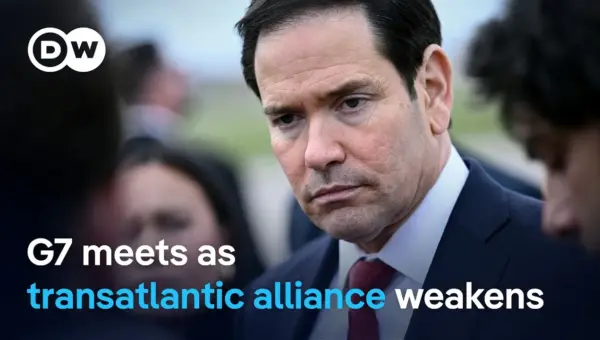
G7 Allies Clash Over Iran War Strategy, Urge Focus on Russia
G7 foreign ministers met in Paris, revealing deep divisions over the U.S. war with Iran. European allies urged the U.S. to pressure Russia, linking its actions to the conflict and fearing support for Ukraine will wane.

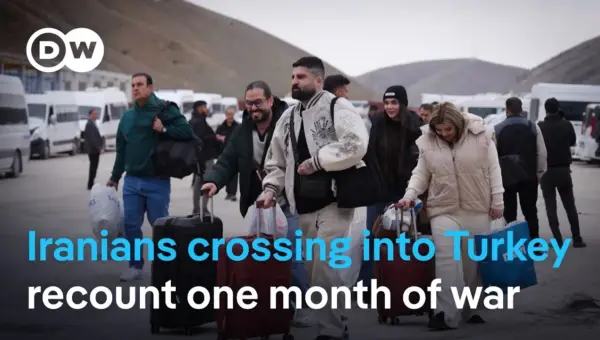
Iran War Exodus: Refugees Flee to Turkey Amidst Bombings
A train from Tehran brings refugees to Turkey, fleeing daily bombings and economic collapse. Many express deep fear for loved ones left behind, while some hold onto national pride and hope for victory. The conflict's impact is also felt economically in Turkey, with rising gas prices.

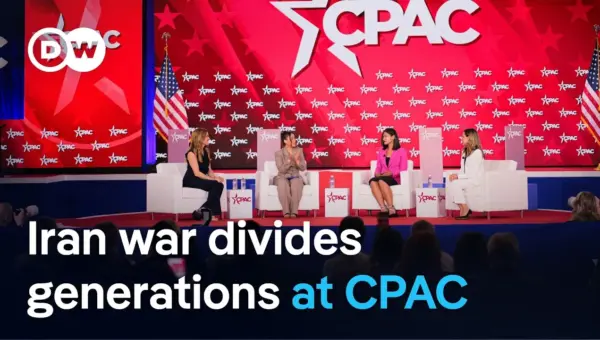
CPAC Divided: Trump’s Iran War Splits Conservative Base
The annual CPAC gathering in Texas revealed deep divisions within President Trump's base over the U.S. war in Iran. While some supporters trust Trump's strategy, others, particularly younger conservatives, worry about the conflict's impact on the "America First" agenda. The conference also saw a notable absence of President Trump and other high-profile figures, contributing to a different energy compared to previous years.