Iran War Sparks Oil Price Surge, Global Economic Fears
Iran's escalating conflict with its neighbors and Israel has triggered a sharp surge in oil prices, exceeding $100 a barrel and fueling global economic fears. President Trump has warned of severe consequences if Iran disrupts oil supplies, while new video suggests a potential U.S. missile strike near a school tragedy. Meanwhile, a partial government shutdown is causing significant airport delays across the U.S.

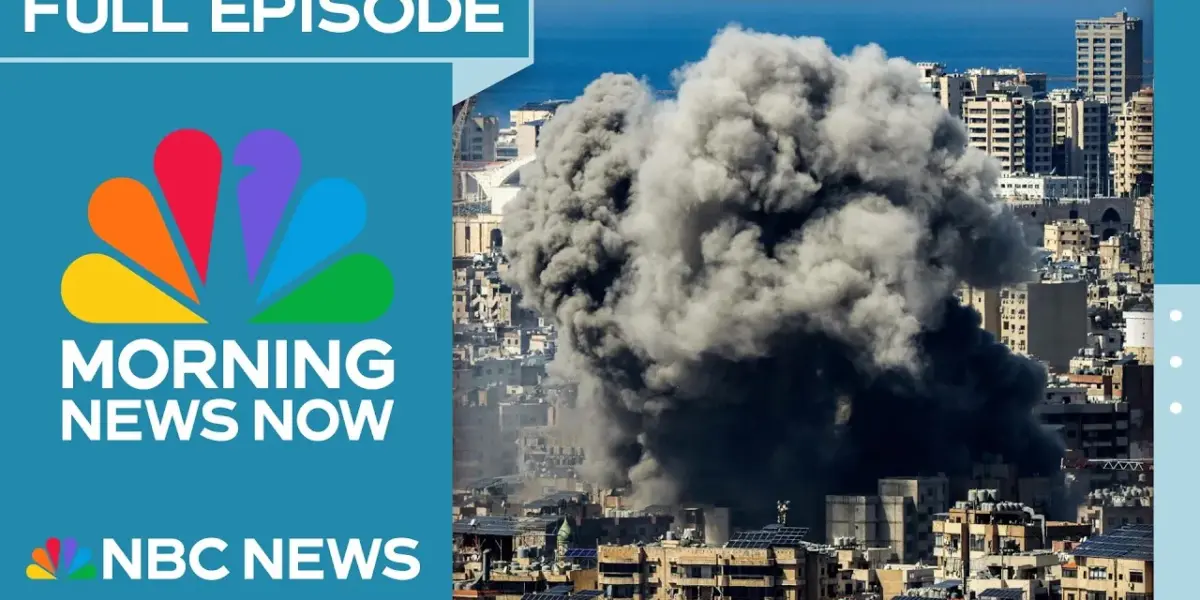
Iran’s Escalation Rattles Global Markets, Oil Prices Soar
In a rapidly developing geopolitical crisis, Iran’s ongoing military actions against its Gulf State neighbors and Israel have sent shockwaves through global financial markets, particularly impacting oil prices. The conflict, which intensified following the recent assassination of Iran’s Supreme Leader Ayatollah Ali Khamenei and the subsequent rise of his son, Mojtaba Khamenei, has led to significant disruptions in oil supply and a surge in crude oil prices, exceeding $100 a barrel for the first time since 2022.
US Responds to Iran’s Aggression with Strong Warnings
President Trump has issued a stern warning to Iran, vowing consequences if the nation attempts to disrupt global oil supplies. “I will not allow a terrorist regime to hold the world hostage and attempt to stop the global oil supply,” President Trump stated, adding that Iran would face significantly harsher repercussions if they proceed with such actions. The Trump administration’s stance appears to be one of measured escalation, with some officials, like Secretary Pete Hegseth, suggesting that the current military actions are merely the “beginning.” This has led to mixed signals regarding the potential timeline and scope of the conflict, contributing to market volatility.
New Video Emerges of Potential US Strike Near School Tragedy
Amidst the escalating conflict, new video footage has surfaced showing what appears to be a U.S. Tomahawk missile strike in close proximity to a school, an incident that resulted in the deaths of over 170 people. While President Trump has controversially suggested Iran may be responsible, experts indicate that Tomahawk missiles are primarily utilized by the U.S. military. This has prompted calls for a thorough investigation into the incident. Senator John Kennedy of Louisiana acknowledged the tragedy, stating, “We made a mistake. Other countries do that sort of thing intentionally, like Russia. We would never do that. I think the Department is is investigating it now.” The Senate Armed Services Committee is slated to hold a closed-door briefing to address numerous questions surrounding the war’s strategy, legality, and potential financial implications for Congress.
Iran Targets Critical Infrastructure, Causing Widespread Chaos
Iran’s response to ongoing strikes has included missile and drone attacks targeting critical infrastructure in Israel and its Gulf Arab neighbors. Locations such as power plants, hotels, airports, and data centers have been hit, leading to widespread travel disruptions across the region. Dubai, the world’s busiest international airport, has experienced significant flight cancellations, stranding thousands of passengers, including Americans. Countries like the UAE, Bahrain, Qatar, and Saudi Arabia, which have historically been insulated from such direct conflict, are now feeling the impact. Iran’s strategy appears to be aimed at exerting economic pressure on these nations, hoping they will, in turn, pressure Washington to end the war. The effectiveness of this strategy, however, remains to be seen, especially as many U.S. military bases in the region were reportedly emptied prior to the conflict’s escalation.
Oil Price Volatility and Stagflation Fears Grip Markets
The conflict’s impact on oil prices has been dramatic, with crude oil futures experiencing significant swings. Caleb Silver, Editor-in-Chief of Investopedia, explained the market’s reaction, noting, “Oil prices are always trading in the future. We’re always trading in the future price of oil, what the price of oil might be next month or the month after.” The volatility is directly linked to headline risk, with President Trump’s statements heavily influencing market sentiment. Concerns about stagflation – a combination of rising inflation, slow economic growth, and increasing unemployment – are growing. “Stagflation is where you have higher inflation, rising prices, slower growth and slowing employment,” Silver elaborated. The impact of rising oil prices, particularly on diesel fuel, is being felt across various sectors, including farming, trucking, and airlines, with potential implications for inflation and consumer costs, including gasoline prices which have already seen a significant increase.
Federal Reserve Faces Dilemma Amidst Economic Uncertainty
The Federal Reserve faces a challenging economic landscape as it prepares for its upcoming meeting. With the labor market showing signs of slowing, the temptation to lower interest rates exists. However, rising oil prices are poised to further fuel inflation, creating a complex dilemma. “If they lower interest rates right now, that could cause even more inflation at a time where these oil prices are going to cause inflation,” Silver noted. The Fed’s decision-making will likely be influenced by the ongoing geopolitical uncertainties and the lack of clear direction from the administration regarding the conflict’s duration and economic consequences.
Government Shutdown Disrupts Air Travel, TSA Staffing Shortages
The ongoing partial government shutdown has led to significant disruptions at airports across the country, with staffing shortages impacting the Transportation Security Administration (TSA). As TSA officers work without pay, many are calling out, resulting in exceptionally long security lines. Travelers are facing hours-long waits, with lines extending from terminals onto curbs and into parking garages. This situation is particularly acute during the spring break travel season, exacerbating the stress and frustration for passengers. Experts warn of potential mass disruptions as the shutdown continues to affect essential government services.
New Evidence Suggests Supplements May Slow Aging
In a separate development, new research suggests that regular vitamin supplements could play a role in slowing the aging process. While the specific mechanisms and recommendations are still being explored by medical professionals, this emerging evidence offers a potential avenue for improving longevity and healthspan. Doctors are advising the public to stay informed about the latest research and to consult with healthcare providers regarding appropriate supplementation strategies.
90-Second Reset: A Quick Fix for Stress Relief
For those seeking immediate relief from daily stress, a brief 90-second reset technique is being highlighted as a potentially effective method. This quick intervention aims to provide a mental health boost during busy periods, demonstrating that even short breaks can have a significant positive impact on well-being. Experts are encouraging individuals to incorporate these brief moments of mindfulness into their routines.
Looking Ahead: Geopolitical Tensions and Economic Stability
The coming days will be critical in monitoring the trajectory of the Iran conflict and its ripple effects on global oil markets and economic stability. Investors and policymakers will be closely watching for any de-escalation or further escalation from Iran and the U.S., as well as any clear policy directives from the Trump administration. The Federal Reserve’s upcoming decisions will also be under scrutiny as they navigate the complex interplay of inflation, employment, and economic growth. Furthermore, the ongoing disruptions at airports due to the government shutdown are likely to persist, impacting travelers throughout the spring break season.
Source: Morning News NOW Full Episode – March 10 (YouTube)

Related Articles


Oil Surges Towards $150 Amid Escalating Iran Conflict
Escalating tensions involving Iran and the effective closure of the Strait of Hormuz are fueling fears of oil supply disruptions and potential price surges towards $150 per barrel. While some analysts predict dire consequences, options market data suggests a less extreme outlook. Geopolitical risks continue to dominate market sentiment, though some economic indicators point to underlying resilience.


Oil Spikes Threaten Crypto: Inflation, Recession Fears Mount
Rising oil prices are signaling potential short-term inflation, with effects expected in 2-3 months. This complicates central bank policy and raises fears of a recession, impacting the broader financial markets, including cryptocurrencies.


Iran Faces ‘Most Intense Day of Strikes’ as US War Strategy Debated
The United States declared today the 'most intense day of strikes' inside Iran, targeting missile launchers amid escalating regional conflict. While U.S. officials report reduced Iranian launches, the war has led to significant hospitalizations in Israel and a humanitarian crisis in Lebanon. Diplomatic channels appear closed, and economic concerns, particularly rising oil prices, are mounting.