Iran War Sparks India Gas Crisis, Fuels Black Market
India is facing its worst gas crisis in decades as the war in Iran disrupts crucial shipping routes through the Strait of Hormuz. Long queues and black market activity are increasing as cooking gas supplies dwindle, impacting households and businesses alike.

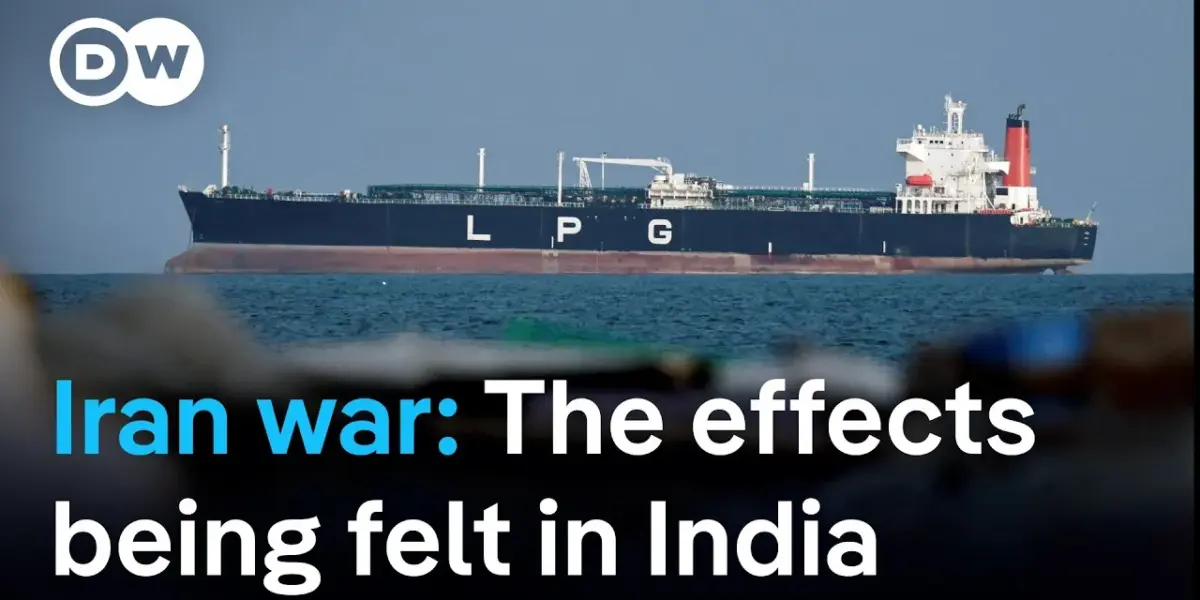
India Faces Worst Gas Shortage Amid Iran Conflict
New Delhi is grappling with its most severe cooking gas crisis in decades, a situation directly linked to the ongoing conflict in the Middle East. Thousands of kilometers away, the war in Iran has disrupted crucial shipping routes, leading to shortages of liquefied petroleum gas (LPG) that are now being felt in Indian homes. Scenes of long queues and growing frustration have become common at gas depots across the capital city.
Disruptions at the Strait of Hormuz
India imports about 60% of its total LPG consumption, and a staggering 90% of these vital imports pass through the Strait of Hormuz. This narrow waterway has become a choke point, with commercial shipping severely impacted by the war. Two Indian ships carrying LPG have successfully navigated the strait, but the overall disruption has created a precarious supply situation.
Government Steps In Amidst Shortages
Prime Minister Narendra Modi has engaged in diplomatic discussions with Iran’s president, emphasizing the need for safe passage for Indian vessels. This intervention has led to some ships being allowed through the strait. In response to warnings of critically low supplies, the Indian government has invoked emergency measures. Refiners have been instructed to increase production to try and meet the surging demand and prevent dangerously low stock levels.
Impact on Daily Life and Black Market Concerns
For many Indians, especially daily wage earners, cooking gas is not a luxury but a necessity. Afar Alam, a resident of New Delhi, described his struggle to get a new gas cylinder for days, resorting to buying bread from shops just to feed his family. “My health is getting worse. I feel stressed,” he shared, highlighting the immense pressure the shortage is putting on ordinary citizens. The scarcity has also fueled suspicions of illegal activities, with reports of retailers hoarding cylinders and selling them at inflated prices on the black market. A cylinder that normally costs around €8 is reportedly being sold for at least three times that amount, despite a government-approved 7% price increase due to shortages.
Restaurants and Businesses Suffer
While the government’s priority is to shield households from the war’s impact, the decision has created a supply crunch for commercial establishments. Restaurants and hotels are facing severe shortages, with many running on their last gas cylinder. Aslam Kureshi, a restaurant owner in Delhi, stated that new supplies have not arrived for days, and there is no clarity on when deliveries will resume. “Most of the restaurants have shut down,” Kureshi said. “Some of them have shifted to burning wood to cook food.” He warned that the impact extends beyond business owners, potentially leading to job losses for migrant workers.
Broader Economic Repercussions
The crisis is not limited to the food service industry. Industries that rely heavily on gas for manufacturing, such as bathroom and floor tile production, are also reportedly running low on stock. Experts advise pausing construction work due to potential material shortages. The aviation sector, which uses gas for aviation fuel, may also face disruptions. While the government aims to subsidize cooking gas for consumers, this approach might not be the most effective, according to economic analysts.
Expert Analysis: Price Controls vs. Market Adjustments
Raul Aluualia, Director of the Foundation for Economic Development in Delhi, commented on the situation. He suggested that the government’s attempt to shield people from price shocks might be counterproductive. “The problem with limiting the price shock is that nobody adjusts behavior according to how the price has risen,” Aluualia explained. He believes that allowing prices to rise naturally would encourage people to reduce consumption or switch to alternatives, like electric stoves. The government could then provide direct cash transfers to help vulnerable populations cope with increased costs, utilizing India’s advanced infrastructure for such programs. Aluualia noted that while formal prices haven’t risen significantly, people’s behavior hasn’t adjusted, leading to shortages.
Political Outlook and Future Measures
Despite the rising public pressure, Aluualia does not expect the crisis to significantly impact the government in the near future, citing the lack of upcoming elections and the public’s often short memory. He hopes the current shortages will be a short-term issue. Looking ahead, the government might consider subsidizing electric stoves and encouraging the use of alternative energy sources. While sanctions on Russian oil have been eased, their full market impact is yet to be seen, with adjustments expected in the coming weeks.
What’s Next?
As India navigates this complex energy crisis, all eyes will be on the effectiveness of the government’s emergency measures and diplomatic efforts. The potential for further disruptions in the Strait of Hormuz remains a concern, and the long-term strategies for ensuring energy security will be crucial. The transition to alternative energy sources and the management of public expectations will be key factors in resolving the current shortages and preventing future crises.
Source: How the Iran war hits everyday life in India | DW News (YouTube)

Related Articles

U.S. Iran Tensions Rise Amid Shifting Alliances
Rising tensions between the U.S. and Iran are creating a volatile geopolitical situation. With conflicting signals on de-escalation and potential shifts in alliances like NATO and U.S.-Israel relations, the path forward remains uncertain. The global economy and regional stability hang in the balance.

Trump Halts Iran Strikes Amid Stalled Diplomacy
President Trump announced a pause on planned strikes against Iran, citing productive talks, though Iran denies negotiations occurred. Reports also suggest a potential U.S. ground operation on Iran's Hark Island. The situation raises concerns about international support for Ukraine and potential shifts in U.S. foreign policy.


Americans Rally for Democracy Amidst War and Economic Woes
Thousands of Americans are participating in "No Kings" rallies nationwide, demanding accountability from leaders and drawing parallels to historical movements that spurred significant change. The protests occur amidst a controversial war with Iran, economic uncertainty, and a partial government shutdown. Organizers emphasize solidarity, joy, and the power of collective action in defending democracy.