Iran War Sparks Global Energy Crisis, Prices Soar
The escalating conflict in Iran has triggered a global energy crisis, sending oil prices soaring and threatening widespread economic instability. With the Strait of Hormuz under threat, experts warn of prolonged inflation and disproportionate impacts on developing nations. The geopolitical landscape is shifting, with Russia emerging as a key beneficiary.

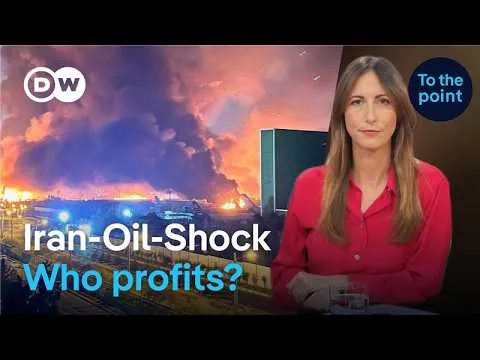
Global Energy Crisis Erupts as Iran Conflict Escalates
The escalating conflict in Iran has sent shockwaves through the global economy, triggering a severe energy crisis with oil prices surging to their highest levels in four years. As the war intensifies, with Iran targeting shipping lanes and energy infrastructure, experts warn of prolonged economic instability and rising inflation worldwide.
Chokepoint Under Threat: The Strait of Hormuz in Focus
The strategic Strait of Hormuz, a vital chokepoint for global oil and gas shipments, has become a focal point of the conflict. Iran’s actions, including attacks on oil terminals and tankers, have effectively choked off a significant portion of global oil supply. “They know that they only have to close the Strait of Hormuz in order to choke the world economy,” explained Rick Hammond, an economics correspondent and author, highlighting the severity of the situation. The disruption has led to a shortage of nearly 20 million barrels a day, representing a fifth of global demand, making it the worst oil crisis on record.
Economic Repercussions: Inflation, Demand, and the Global South
The immediate impact of the crisis is a dramatic rise in oil prices, with benchmarks nearing $120 a barrel. This price surge threatens to fuel global inflation, a sensitive issue for voters and a significant concern for economies worldwide. Claudia Kempford, a professor of energy economics, noted that the longer the conflict persists, the more severe the economic consequences will be. “The threat of inflation… is something voters react to very sensitively,” observed Hammond, suggesting that political pressures could force a swift resolution.
The crisis disproportionately affects the Global South, where rising fuel costs will cripple economies that can ill afford them. “The economy in those in the Global South will just break down,” warned Hammond. Furthermore, the disruption extends beyond oil, impacting food prices as well. “A third of all fertilizers are being produced in the Middle East and they now also can no longer go through the Strait,” Kempford added, creating a dangerous shortage for crucial agricultural planting seasons.
Strategic Moves: Iran’s Calculus and Trump’s Response
Iran’s strategy appears to be leveraging its control over the Strait of Hormuz to exert maximum economic pressure. Experts suggest that Iran aims to force regional powers and the United States to seek an end to the conflict. “Iran counts on Qatar, on Oman, on Saudi Arabia, on the Emirates to tell Trump, please stop this war because we cannot take it any longer,” stated Marcus Bickl, a Middle East analyst. However, Bickl cautioned that Iran might be miscalculating by targeting energy facilities, potentially alienating the Gulf states.
In response to the escalating crisis, the US and its allies have taken measures, including coordinated efforts to release strategic oil reserves. However, experts like Kempford express skepticism about the long-term effectiveness of these measures. “This release of the oil reserves is too early… it’s a short-term effect which brings not a lot,” she commented. The released reserves, estimated to cover only about 20 days of normal transit through the Strait, highlight the limited capacity to mitigate a prolonged disruption.
Geopolitical Ripples: Allies, Adversaries, and Shifting Alliances
The conflict has strained relations between key allies and created unexpected beneficiaries. While the US and Israel are engaged in strikes against Iran, the situation is complex. Bickl pointed out potential rifts between the US and Israel, noting that while “Netanyahu wants to stay in” the war, “Trump wants out.” This divergence could damage the long-term alliance between the two nations.
Meanwhile, Russia stands to gain significantly from the crisis. With Western sanctions impacting its oil revenues, higher global prices allow Moscow to finance its war in Ukraine. “Russia is benefiting a lot because they can jump in with their oil to replace the oil which is not going through the Strait of Hormuz right now,” said Bickl. China and India are also poised to increase their imports from Russia, further bolstering Moscow’s position.
The Gulf Cooperation Council (GCC) states, heavily reliant on regional stability and oil exports, find themselves in a precarious position. While they have protested loudly, their military options are limited. Bickl noted that they are turning to Ukraine for drone technology to defend themselves, highlighting a significant mismatch in defensive capabilities against cheaper Iranian drones.
Looking Ahead: The Race Against Time
The critical question remains: how long can the global economy withstand this energy shock? Oil traders are watching the end of March as a potential tipping point. “If the war is ended till the end of March, no problem. If it continues, there will be no cap on oil prices rising and the shares falling,” warned Hammond. The pressure is mounting on all sides to de-escalate, as the potential for a full market crash and a broader financial crisis looms large. The coming weeks will be crucial in determining whether a diplomatic solution can be found before the economic damage becomes irreparable.
Source: Global energy at risk: The real impact of the Iran war | To The Point (YouTube)

Related Articles

G7 Allies Clash Over Iran War Strategy, Urge Focus on Russia
G7 foreign ministers met in Paris, revealing deep divisions over the U.S. war with Iran. European allies urged the U.S. to pressure Russia, linking its actions to the conflict and fearing support for Ukraine will wane.
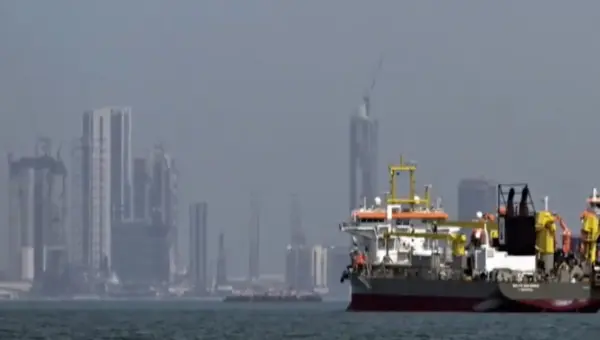
Iran Blocks China Ships, Exposing Beijing’s Weak Grip
Iran's recent decision to block Chinese ships at the Strait of Hormuz is exposing the limits of Beijing's influence in the Middle East. This action is causing delays and cancellations for Chinese manufacturers, turning a perceived geopolitical win into an economic strain.
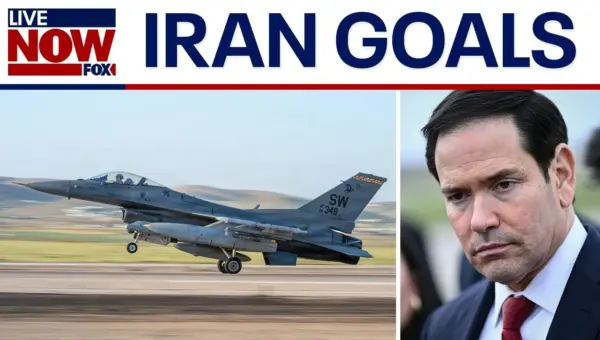
Rubio: US Can Achieve Iran War Goals Without Troops
Senator Marco Rubio outlined a strategy to counter Iran without deploying U.S. ground troops, focusing on weakening the regime and enhancing maritime security. He also criticized Cuba's economic system and expressed concerns about West Bank violence.