Iran War Sparks Global Energy Crisis: Millions of Barrels Disrupted
The escalating conflict involving Iran has disrupted millions of barrels of crude oil daily, threatening a global energy crisis. Drone attacks on critical infrastructure and the hesitant movement of tankers in the Persian Gulf have created a volatile market, with far-reaching economic and geopolitical implications.

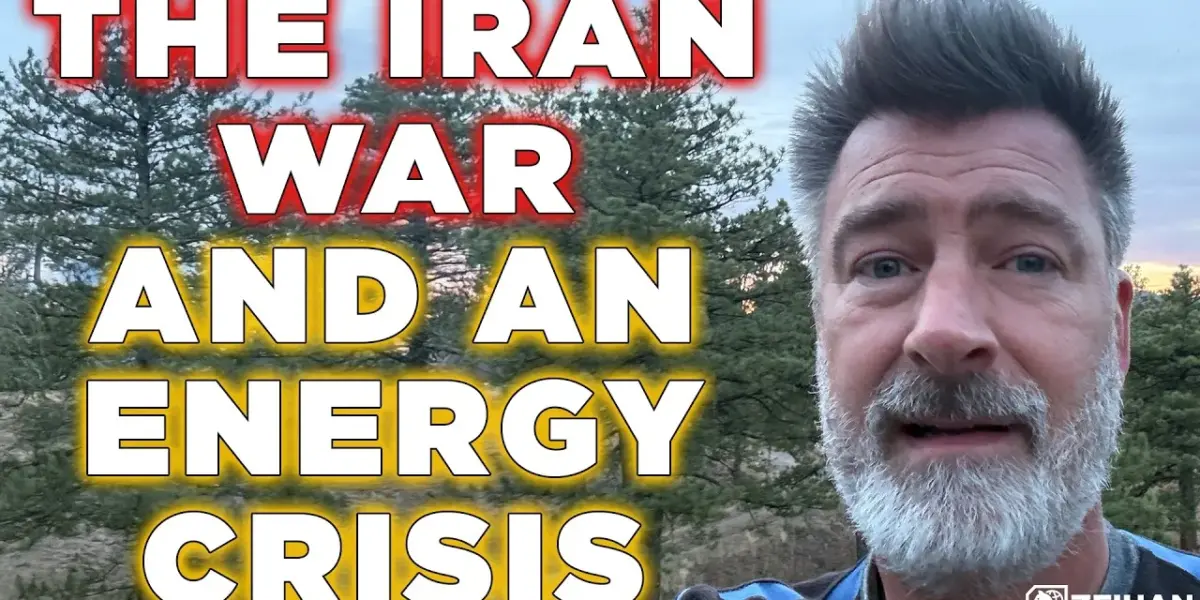
Global Energy Markets Under Siege as Iran Conflict Escalates
The ongoing conflict involving Iran, now in its third day, has sent shockwaves through global energy markets, disrupting millions of barrels of crude oil daily and threatening a full-blown energy crisis. While Iran’s missile arsenal appears to be dwindling, the prolific use of drones continues to pose a significant threat, extending beyond traditional conflict zones and impacting critical energy infrastructure.
Escalating Threats and Shifting Alliances
The past few days have witnessed a significant escalation in hostilities. Over 300 Iranian drones have been deployed, with some reaching as far as Cyprus, a location well outside the immediate conflict area, causing considerable unease. The United States has also experienced its first significant losses of military hardware, with three fighter aircraft reportedly downed in a friendly fire incident in Kuwait. Attacks have continued against targets in Kuwait, the United Arab Emirates, Qatar, and Saudi Arabia, though the transcript notes that over 90% of these threats have been intercepted, resulting in low casualties and minimal damage.
A pivotal development in this conflict is the direct targeting of energy assets. Iran has claimed responsibility for attacking three tankers in the Persian Gulf. More critically, drone strikes have inflicted minor damage on two vital facilities: Saudi Arabia’s Ras Tanura, the largest refinery in the kingdom, and Qatar’s Ras Laffan, the world’s largest liquefied natural gas (LNG) liquefaction facility. Both sites have experienced operational interruptions, highlighting the vulnerability of the global energy supply chain.
The conflict is also drawing in regional players. Hezbollah, an Iran-backed militia in Lebanon, has launched its first attacks against Israel. This development has led Israel to shift its focus from striking Iran to confronting Hezbollah, effectively leaving the United States as the primary actor confronting Iran directly. Despite the U.S. launching over a thousand strikes against Iranian targets in the last 24 hours alone, the sustained nature of the conflict raises concerns about the depletion of military resources, such as interceptors and bombs.
The Looming Energy Crisis
The most alarming consequence of this escalating conflict is its impact on the global energy supply. The Persian Gulf is a critical chokepoint, originating half of the world’s maritime-traded energy. While bypass pipelines exist in Saudi Arabia and the UAE, they are insufficient to compensate for the volume of crude oil that is being disrupted. The inherent risks associated with the conflict have made cargo tanker operators hesitant to enter the Gulf, leading to a significant shutdown of oil shipments.
For three consecutive days, an estimated 15 to 20 million barrels of crude oil per day have been prevented from shipping. This sustained disruption, even if production facilities remain intact, is a recipe for disaster. A mere 5% disruption in global crude supply, given its inelastic demand, can trigger severe economic consequences within weeks. The current situation, though only in its early stages, is already pushing global oil prices upward and forcing consumers to bear higher costs.
Broader Global Energy Disruptions
The Iran conflict is not occurring in a vacuum; it exacerbates existing fragilities in the global energy landscape. Venezuela, while showing signs of incremental recovery, will take months to approach its previous production levels of 1.5 million barrels per day. Furthermore, Ukrainian drone attacks on the Russian port of Novorossiysk, one of Russia’s top three oil export hubs, have effectively halted operations there. This Ukrainian action, taken in defiance of U.S. requests to cease strikes on Novorossiysk (which is also used by American energy producers for exports), underscores a growing sentiment of strategic autonomy among nations facing their own security concerns.
The cumulative effect of these disparate disruptions is stark. In the last 24 hours alone, over 20 million barrels a day of crude oil flows have been impacted. While production capacity has not been destroyed, the cessation of movement due to security concerns has created a market holding pattern. This uncertainty is detrimental to market stability, leading to price volatility and increasing the likelihood of a global energy crisis.
Why This Matters
The implications of this escalating conflict are profound and far-reaching. The disruption of millions of barrels of crude oil daily directly impacts global economic stability. Higher energy prices translate to increased costs for transportation, manufacturing, and essential goods, disproportionately affecting developing nations and lower-income households. The geopolitical ramifications are equally significant, potentially drawing more regional powers into the conflict and further destabilizing an already volatile Middle East. The reliance of the global economy on a stable energy supply, particularly from the Persian Gulf, has been starkly exposed.
Implications, Trends, and Future Outlook
The current situation points towards several concerning trends. Firstly, the increasing reliance on drone warfare and the targeting of critical infrastructure, including energy facilities, represent a new and dangerous phase of conflict. Secondly, the interconnectedness of global energy markets means that disruptions in one region can have rapid and severe repercussions worldwide. The transcript highlights the potential for a feedback loop where rising prices lead to increased geopolitical tension, which in turn further disrupts supply.
The future outlook is uncertain, hinging on the duration and intensity of the conflict. If the current disruptions persist, a global energy crisis is not just possible but probable. This could lead to significant economic downturns, social unrest, and a re-evaluation of global energy dependencies. Nations may accelerate their transition to renewable energy sources, but this transition is a long-term endeavor and cannot immediately mitigate the short-term shock of oil supply disruptions.
Historical Context
The Persian Gulf has long been a strategically vital region for global energy supplies. Historically, conflicts and tensions in this area, such as the Iran-Iraq War and the Gulf War, have demonstrated the profound impact of regional instability on international oil prices and supply chains. The current conflict echoes these past events, but with the added complexity of modern warfare, including advanced drone technology and cyber warfare capabilities, which can amplify the speed and scale of disruptions.
The transcript also touches upon the strategic importance of energy export points like Novorossiysk, which has been a key outlet for Russian oil. The fact that Ukraine is willing to strike such facilities, even when it goes against U.S. strategic interests, signals a growing assertiveness and a willingness to use energy as a weapon in the broader geopolitical struggle. This adds another layer of complexity to the already precarious global energy security situation.
In conclusion, the escalating conflict involving Iran has pushed the world to the brink of an energy crisis. The sustained disruption of millions of barrels of crude oil daily, coupled with broader global energy supply challenges, demands urgent attention and de-escalation. The world’s economic stability is precariously balanced on the flow of oil from a region now under siege, a stark reminder of our collective vulnerability.
Source: Iran War Escalates: 20 Million Barrels a Day of Crude Oil Disrupted || Peter Zeihan (YouTube)

Related Articles


Trump’s Iran War Justification Called ‘Clear As Mud’ by Experts
Experts are questioning the clarity of President Trump's justifications and goals for military action against Iran, with some describing the rationale as "clear as mud." The shifting objectives and potential for unintended consequences are raising concerns among national security analysts and the public.

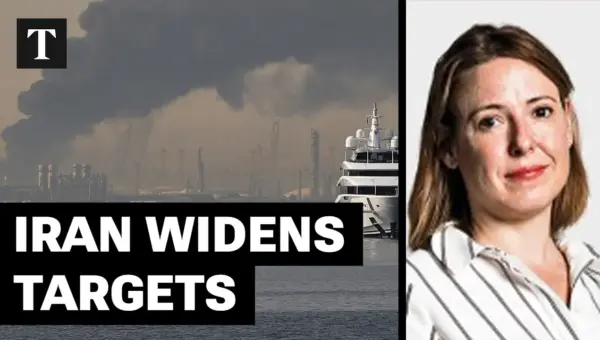
Iran Escalates Regional Attacks, Feeling ‘Nothing to Lose’
Iran is widening its regional attacks, driven by a "nothing to lose" mentality, according to Catherine Philp of The Times. The escalating conflict has seen Hezbollah engage in hostilities, drawing retaliatory strikes and increasing global oil prices. The U.S. and Israel are targeting Iranian leadership and military sites, while the response of Gulf nations remains a key uncertainty.
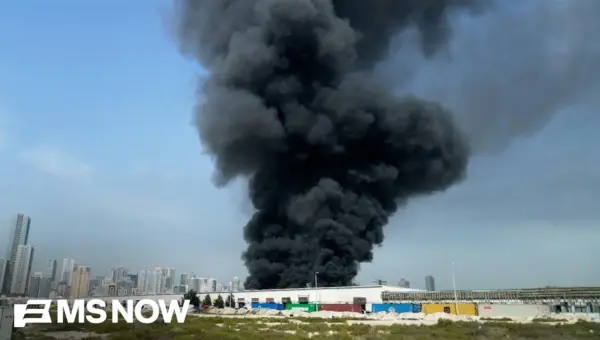
American Stranded in Dubai Fears for Safety Amid Iran Tensions
An American tourist celebrating her 30th birthday in Dubai was left stranded and anxious amid escalating U.S.-Iran tensions. Facing disrupted flights and intense fear, she detailed her ordeal and struggles to secure a direct flight home, highlighting the personal impact of geopolitical instability.