Iran War Sparks Global Economic Turmoil, Fuels Inflation
The ongoing conflict in Iran is triggering significant global economic repercussions, marked by a sharp rise in oil prices and increasing inflation. As gas and food costs climb, the Biden administration faces mounting criticism over its economic policies and preparedness. The war's impact on consumer spending and the national debt are becoming central issues in political discourse.

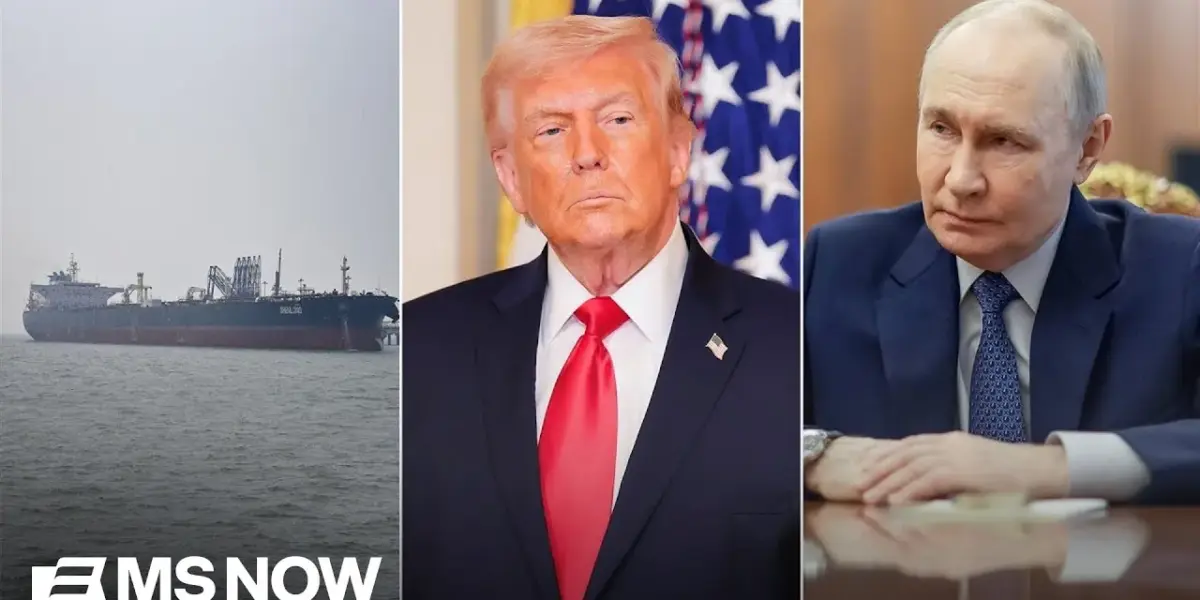
Global Economy Reels as Iran Conflict Intensifies, Oil Prices Surge
The escalating conflict in Iran, now entering its third week, is sending shockwaves across the global economy, with oil prices dramatically increasing and consumer confidence plummeting. Oil is currently trading around $100 a barrel, a stark contrast to its $55 price in December. This surge is directly contributing to rising gas prices in the United States, which have seen a 22% increase since the war began, while diesel prices have skyrocketed. The uncertainty surrounding the duration of the fighting is exacerbating economic anxieties worldwide.
Biden Administration Faces Criticism Over Economic Response
The economic fallout has placed the Biden administration under intense scrutiny, with critics questioning its preparedness and communication strategy. The repeated message of “short-term pain, long-term gain” is being met with skepticism, as the tangible effects of inflation and rising costs are felt by American households. The administration’s handling of inflation prior to the conflict is also being re-examined, with a sentiment that the public has already endured significant economic hardship.
“The president who did not prepare the American people for this and his administration just keeps saying short-term pain long-term gain for what gain is the question.”
The rising cost of essential goods extends beyond fuel. Fertilizer prices have also climbed, with projections indicating a subsequent increase in food costs across the board. This is particularly concerning as the spring planting season approaches, suggesting that the impact on grocery bills could be substantial and long-lasting.
Voters Eye Pocketbook Issues Amidst Geopolitical Strife
Political analysts suggest that the economic ramifications of the conflict will heavily influence voter sentiment, especially in upcoming elections. While the human cost of war is a significant concern, the immediate impact on household budgets is likely to be the primary driver for many voters. The promise of economic stability and affordability, a key platform for some political figures, is being juxtaposed against the current inflationary pressures.
The rising cost of living is forcing difficult choices for many Americans. A recent Gallup poll indicated that a third of respondents are cutting back on daily spending, including meals, to afford essential expenses like healthcare. This highlights a growing divide between government spending priorities and the immediate needs of the populace.
Defense Spending and Civilian Casualties Under Fire
The substantial increase in the defense budget, including a $500 billion allocation to the Pentagon shortly before the war, has drawn particular criticism. This comes at a time when many Americans are struggling to afford basic necessities. Questions are being raised about the allocation of resources, especially in light of reports of equipment being lost early in the conflict, such as $415 million worth of F-15s.
Furthermore, the administration’s response to civilian casualties has been called into question. Critics point to a perceived dismissiveness towards the loss of innocent lives, contrasting it with the Vatican newspaper’s prominent display of the graves of young girls. The notion of seeking “maximum lethality” from a Secretary of War is also being examined as part of a broader critique of the current geopolitical approach.
Concerns Over Federal Debt and Economic Governance
The escalating national debt, with reports of the administration borrowing $50 billion a week for the past five months, adding a trillion dollars to the debt in that period, is another area of concern. This is particularly resonant with younger generations who are graduating with significant student loan debt and facing an uncertain economic future.
The intersection of economic policy and political influence was highlighted by a recent court ruling that quashed subpoenas issued by the Justice Department to Federal Reserve Chair Jerome Powell. The judge cited a lack of evidence of any crime and suggested the subpoenas were an attempt to pressure Powell regarding interest rates. This ruling has been seen by some as a validation of the need to maintain the independence of the Federal Reserve to ensure economic stability and prevent politicization, which can lead to worse inflationary outcomes.
Political Maneuvering Around Federal Reserve Appointments
The legal challenge involving Federal Reserve Chair Powell has also impacted political appointments. Senator Tom Tillis has indicated he will not proceed with the nomination of Kevin Warsh as the next Fed chair until the administration drops its case against Powell. This situation underscores the delicate balance between political objectives and sound economic governance.
Looking Ahead: Economic Stability and Political Accountability
As the conflict in Iran continues, the global economic landscape remains precarious. The coming weeks will be crucial in observing how governments address rising inflation, energy security, and the broader impact on household finances. The political discourse is likely to remain heavily focused on economic issues, with voters holding leaders accountable for their handling of these challenges. The long-term implications for global trade, energy markets, and individual economies will unfold in the months and years ahead, demanding careful navigation and strategic decision-making from policymakers worldwide.
Source: Iran war takes toll on global economy (YouTube)

Related Articles

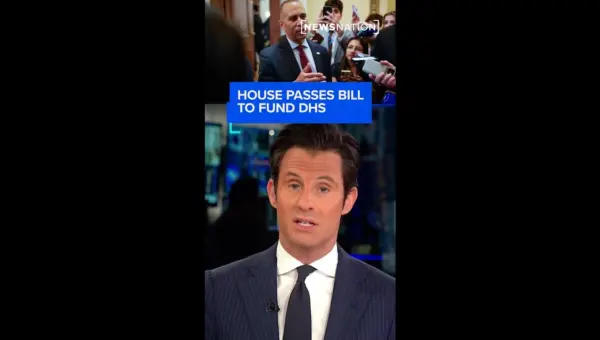
Congress Stalemate Threatens Border Security Funding
The U.S. House passed a temporary funding bill for the Department of Homeland Security, but Senate Democrats are expected to block it. This recurring stalemate highlights deep divisions over border policy and funding, potentially impacting national security and international perceptions of U.S. stability.
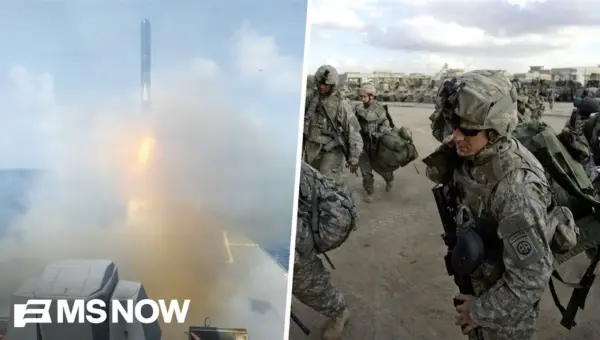
Iran Missile Strikes Injure US Troops, Raise War Concerns
Iranian missile strikes have injured U.S. service members, escalating tensions as the conflict nears one month. The attacks are raising concerns about the effectiveness of U.S. military strategy and the depletion of crucial missile stockpiles. Global oil prices have surged, impacting economies worldwide.

Americans Rally for Democracy Amidst War and Economic Woes
Thousands of Americans are participating in "No Kings" rallies nationwide, demanding accountability from leaders and drawing parallels to historical movements that spurred significant change. The protests occur amidst a controversial war with Iran, economic uncertainty, and a partial government shutdown. Organizers emphasize solidarity, joy, and the power of collective action in defending democracy.