Iran War Sparks Fertilizer Crisis, Threatening Global Food Supply
The Iran war is not only impacting oil prices but also creating a severe fertilizer shortage that could lead to global food shortages this winter and spring. While temporary fuel waivers offer minor relief at the pump, the diversion of farmland for ethanol production and the disruption of fertilizer supply chains pose greater threats to global stability.


Iran War Sparks Fertilizer Crisis, Threatening Global Food Supply
The ongoing conflict in Iran is creating ripples far beyond the immediate region, potentially leading to a significant global food shortage. While attention is focused on rising gas prices, a less visible but equally concerning crisis is brewing: a severe shortage of fertilizer. This shortage, directly linked to the war, could leave many parts of the world struggling to produce enough food this coming winter and spring.
Fueling Concerns: Gas Prices and E15 Fuel
The U.S. Environmental Protection Agency (EPA) has taken steps to ease the pressure on gasoline prices, which have been affected by oil disruptions from the Iran war. One such measure is allowing gas stations to sell E15 fuel for an additional 20 days. While this move might shave a few cents off prices at the pump, its impact is considered marginal. Energy policy analyst David Blackman suggests that a more significant factor in lowering gas costs is the EPA’s decision to relieve refiners of the burden of producing specialized fuel blends for regional haze reduction programs. These “boutique blends,” required for different areas and seasons, complicate refining and transportation, adding to costs. Removing this requirement could lead to more substantial savings for consumers.
The Bottleneck of Boutique Blends
These specialized fuel blends are part of a program started by the George W. Bush EPA in 2004 to combat regional haze. The program requires specific fuel formulations, often using additives like isobutane, to reduce emissions, especially in major metropolitan areas during peak traffic times. However, stricter tailpipe emission standards implemented over the past two decades have largely resolved the original haze problem. Blackman argues that the need for these complex blends has diminished significantly, and rescinding the program entirely could offer greater relief to gas prices and refinery operations.
Ethanol: A Trade-Off for Food Production
The temporary allowance of E15 fuel raises questions about year-round use. While technically feasible, Blackman points out a critical trade-off: producing ethanol requires using productive farmland. This means acreage that could be used for growing food is instead dedicated to energy production. In a global climate where food security is becoming increasingly precarious, diverting farmland for ethanol production is a questionable choice. The United States already produces enough oil to meet its gasoline needs, making the argument for prioritizing ethanol less compelling when food supplies are at risk.
The Fertilizer Factor: A Looming Crisis
The most alarming consequence of the Iran war, according to Blackman, is the impending fertilizer shortage. A significant portion of the raw materials needed to manufacture fertilizers comes from the Persian Gulf region, which is also a major oil supplier. With disruptions to this supply chain, the world faces a critical lack of nitrogen-based fertilizers. These fertilizers are essential for modern agriculture, enabling farmers to produce the high yields needed to feed a growing global population. Without them, crop yields will drop significantly.
“We could be looking at real food shortages in some parts of the world here this coming winter and next spring because of it.”
David Blackman, Energy Policy Analyst
Unlike the immediate impact of high gas prices, the effects of a fertilizer shortage will take time to become fully apparent. However, the consequences are expected to be severe, potentially leading to widespread food scarcity, particularly in regions already vulnerable to hunger. The immediate and visible pain of higher gas prices overshadows the slower-moving but potentially devastating impact of a fertilizer crisis.
Historical Context: Haze Reduction and Geopolitics
The regional haze reduction program, implemented over two decades ago, was a response to a genuine environmental concern. Similarly, the geopolitical tensions surrounding Iran and its oil exports have a long history. The potential strategic importance of islands like Kharg Island, from which Iran exports a vast majority of its crude oil, highlights the complex interplay between energy, economics, and international conflict. Control of such strategic points could significantly impact a nation’s economy and its ability to fund its operations.
Strategic Targets and Future Outlook
The discussion also touches upon the strategic significance of Kharg Island, referred to by some as Iran’s “crown jewel.” Control of this island, where 90% of Iran’s crude oil exports are loaded, would cripple Iran’s economy and its capacity to export oil. From a U.S. perspective, securing Kharg Island and the Strait of Hormuz could offer strategic benefits, potentially hastening the end of the conflict and improving regional security by mitigating Iran’s periodic threats to international shipping lanes. These locations are likely key strategic objectives should the conflict escalate.
Why This Matters
The interconnectedness of global events is starkly illustrated by the current situation. A regional conflict in Iran has direct implications for U.S. gas prices through oil disruptions, but more critically, it threatens the global food supply via a fertilizer shortage. The decisions made regarding fuel blends, agricultural land use, and international relations all carry significant weight. The potential for widespread hunger underscores the urgent need for diplomatic resolutions and careful consideration of policies that impact essential resources like food and energy.
Implications and Future Trends
The fertilizer shortage highlights a vulnerability in the global food system. Dependence on specific regions for critical agricultural inputs makes the world susceptible to geopolitical shocks. This could spur efforts towards diversifying fertilizer production sources or developing more sustainable, localized farming methods. Furthermore, the debate around E15 fuel and farmland use brings into focus the ongoing tension between energy needs and food security. As climate change and global population growth continue, finding a sustainable balance will be paramount. The events stemming from the Iran conflict serve as a critical reminder of these complex challenges.
Conclusion: A Call for Awareness
While the immediate concern over gas prices is understandable, the potential for a global food shortage due to fertilizer scarcity demands urgent attention. The war’s impact extends far beyond the battlefield, affecting the most basic human need: sustenance. Increased awareness and a focus on securing essential resources are crucial as the world navigates these turbulent times. Hopefully, a swift resolution to the conflict will mitigate the worst of these potential crises.
Source: Fertilizer Shortage Due to Iran War Could Lead to Food Shortage This Winter: Energy Policy Analyst (YouTube)

Related Articles


Americans Rally for Democracy Amidst War and Economic Woes
Thousands of Americans are participating in "No Kings" rallies nationwide, demanding accountability from leaders and drawing parallels to historical movements that spurred significant change. The protests occur amidst a controversial war with Iran, economic uncertainty, and a partial government shutdown. Organizers emphasize solidarity, joy, and the power of collective action in defending democracy.
US Official Claims Iran War Could End Soon; Expert Skeptical
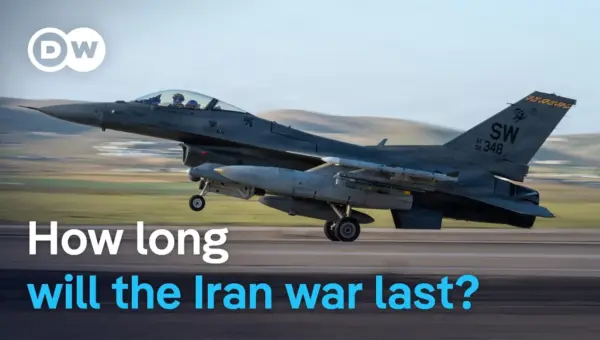
Despite US envoy Steve Woff's optimism about imminent talks and a swift end to the conflict with Iran, expert Aaron David Miller expresses significant doubt. Miller argues that a lack of shared urgency and fundamental miscalculations by the US administration make a quick resolution unlikely.

G7 Allies Clash Over Iran War Strategy, Urge Focus on Russia
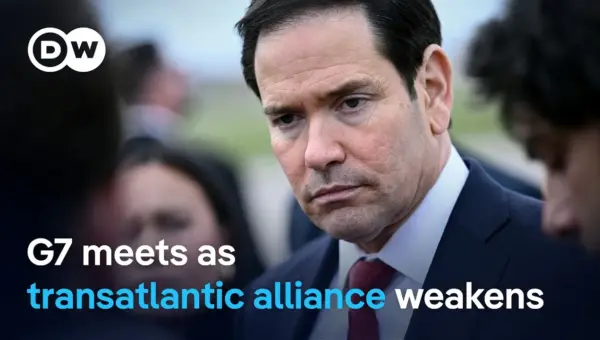
G7 foreign ministers met in Paris, revealing deep divisions over the U.S. war with Iran. European allies urged the U.S. to pressure Russia, linking its actions to the conflict and fearing support for Ukraine will wane.