Iran War Sparks Energy Price Shock: UK Faces Summer Bill Hikes
Escalating conflict in the Middle East has sent global energy markets into turmoil, with Iran's actions disrupting critical oil and gas supply routes. UK consumers face the prospect of significantly higher energy bills this summer as wholesale prices soar and fixed-price deals become scarce.

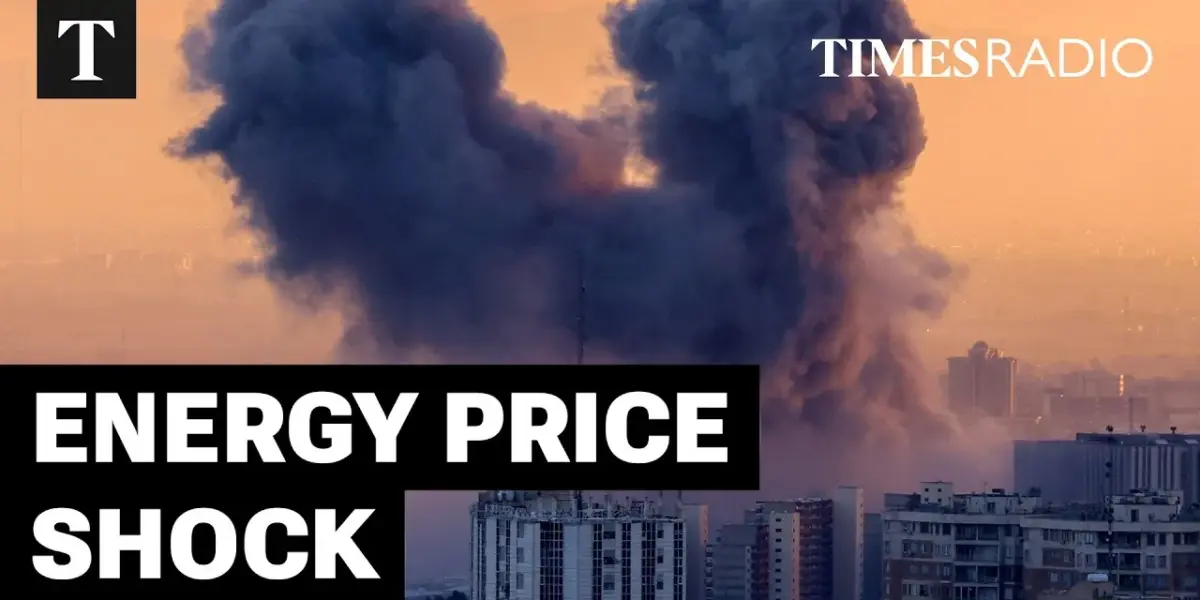
Energy Markets in Turmoil as Iran Conflict Escalates
The global energy markets are experiencing significant turmoil following recent escalations in the Middle East, specifically the conflict involving Iran. The disruption has led to a sharp increase in oil and gas prices, prompting energy suppliers to adjust their own pricing upwards. Greg Jackson, CEO of Octopus Energy, Britain’s largest energy firm, has issued a stark warning about an impending energy price shock for consumers, with potential impacts beginning as early as this summer.
Disruption in Key Shipping Lanes and Supply Contracts
The current crisis stems from Iran’s actions effectively closing the Strait of Hormuz, a critical chokepoint through which approximately 20% of the world’s oil and gas is transported. Compounding the issue, Qatar has announced its inability to honor its existing gas delivery contracts. These developments have sent shockwaves through the energy sector, creating an atmosphere of uncertainty and volatility.
Wholesale Prices Soar, Fixed Tariffs Vanish
Wholesale gas prices have reportedly doubled in the past week. While consumers may not immediately feel the full impact due to pricing mechanisms and regulatory protections, the wholesale market is now reflecting the ongoing conflict and its implications for future supply. Electricity prices in the UK, which are closely linked to gas prices, have seen wholesale costs rise by approximately 60% for the second quarter. This surge has led to a dramatic reduction in the availability of fixed-price energy deals. From 38 available fixed deals on Saturday, the number has plummeted to just 15 by Thursday, with many companies withdrawing from offering such products altogether.
“The energy markets are certainly, as you said there, in a state of turmoil. Now, the war is going to hit our pockets. Oil and gas prices have soared and now energy suppliers are ramping their own prices up to keep track.”
Greg Jackson, CEO of Octopus Energy
Variable Tariffs and the Price Cap: A Temporary Shield
The majority of households in Britain are currently on variable tariffs, which are protected by the energy price cap. The upcoming price cap, set to take effect in April for the April-May-June period, is expected to be lower than current rates. This is because the prices for this period were locked in before the recent conflict escalated. However, this protection is temporary, and future price caps will undoubtedly reflect the increased wholesale costs if the conflict persists.
The Economics of Fixed Tariffs in Volatile Markets
Fixed tariffs operate differently. When a customer opts for a fixed deal, the energy company purchases a year’s worth of energy on their behalf in the wholesale market. With current market volatility, the cost of securing this energy in advance has significantly increased. New fixed tariffs are now typically several hundred pounds per year more expensive than before the conflict. Some energy providers are hesitant to offer fixed deals at all due to the uncertainty of locking in prices so far in advance, while others have introduced temporary early exit fees for new customers, such as Octopus Energy’s £75 fee, to mitigate potential losses in a rapidly changing market.
Comparing Current Crisis to 2022 Energy Shock
While the current situation is serious, Greg Jackson noted that wholesale prices are currently around two and a half to three times their normal level. This is significantly lower than the peak seen during the 2022 energy crisis following Russia’s invasion of Ukraine, when gas prices reached up to 16 times their normal level. Despite this, the impact on consumers is still substantial, especially when layered on top of already high energy costs attributed to system costs within the UK’s electricity infrastructure.
The Case for Energy Independence and Renewables
Jackson advocates for a long-term strategy to insulate the UK from such global shocks. He points to countries like Norway, which, despite having its own natural gas resources, relies heavily on renewable electricity for its domestic economy. Norway’s wholesale electricity prices have only risen by 17%, compared to the UK’s 60%, highlighting the benefits of decoupling electricity prices from gas and increasing domestic energy production, particularly from renewable sources like wind power.
“In the long run, breaking the connection between electricity prices and gas, electrifying our economy and getting more of our electricity from our own resources, particularly in the UK, wind really would help insulate us against this.”
Greg Jackson, CEO of Octopus Energy
Rethinking Energy Policy for Resilience
Jackson suggests a policy shift towards a more cost-effective approach to emissions reduction. This includes prioritizing renewables and electrification, while critically evaluating projects like carbon capture, which he argues do not significantly contribute to reducing emissions but do increase costs. He also proposes reconsidering the reliance on imported gas, suggesting that utilizing North Sea gas, even with its depleted reserves, would be more sensible than shipping it halfway across the world. This approach, he argues, is not about abandoning net-zero goals but about achieving them in a more economical and resilient manner.
Broader Implications and Future Outlook
The conflict in the Middle East serves as a stark reminder of the interconnectedness of global geopolitics and energy security. The potential for prolonged instability in the region poses a significant threat to energy markets worldwide. For the UK, the immediate concern is the impact on household bills throughout the summer and beyond. The long-term implications point towards an accelerated need for investment in domestic renewable energy infrastructure and a re-evaluation of energy sourcing strategies to mitigate future price shocks and enhance national energy resilience.
What to Watch Next
Consumers should closely monitor announcements regarding future energy price cap adjustments and the return of fixed-price energy deals. The duration of the conflict in the Middle East will be a critical factor in determining the extent and longevity of energy price increases. Furthermore, government policy decisions regarding domestic energy production, renewable energy targets, and infrastructure investment will play a crucial role in shaping the UK’s energy future and its ability to withstand global market volatility.
Source: A Lengthy Iran War Will Trigger Energy Price Increase From Summer | Octopus Energy (YouTube)

Related Articles

War, Economy Collide: Trump’s Bold Claims Face Harsh Realities
Amidst escalating conflict with Iran and a weakening U.S. economy, Donald Trump's calls for "unconditional surrender" clash with concerning job losses and surging oil prices. Differing interpretations of economic data and geopolitical complexities highlight a period of significant uncertainty.


Qatar Warns of Global Economic Collapse Amid Iran Conflict
Qatar's Energy Minister has warned that escalating conflict with Iran could trigger a global economic collapse. The US faces "mini-stagflation" as oil prices near $90 a barrel, impacting inflation and job growth. International powers are increasing military presence as supply chains face severe disruption.


Iran Conflict Escalates: US Eyes Retaliation, Global Tensions Rise
Escalating conflict in Iran sees intensified military action, a leadership crisis, and rising casualties, sparking global concerns. President Trump's ambiguous statements on domestic retaliation and shifting policy demands add to the volatile geopolitical landscape.