Iran War Sparks $120B Stock Wipeout in UAE
The UAE's stock markets have lost $120 billion amid the Iran conflict, shaking its reputation as a safe haven. Disruptions to air travel, trade, and the energy sector are creating significant economic challenges. Investors are watching closely as the nation reevaluates its security alliances.

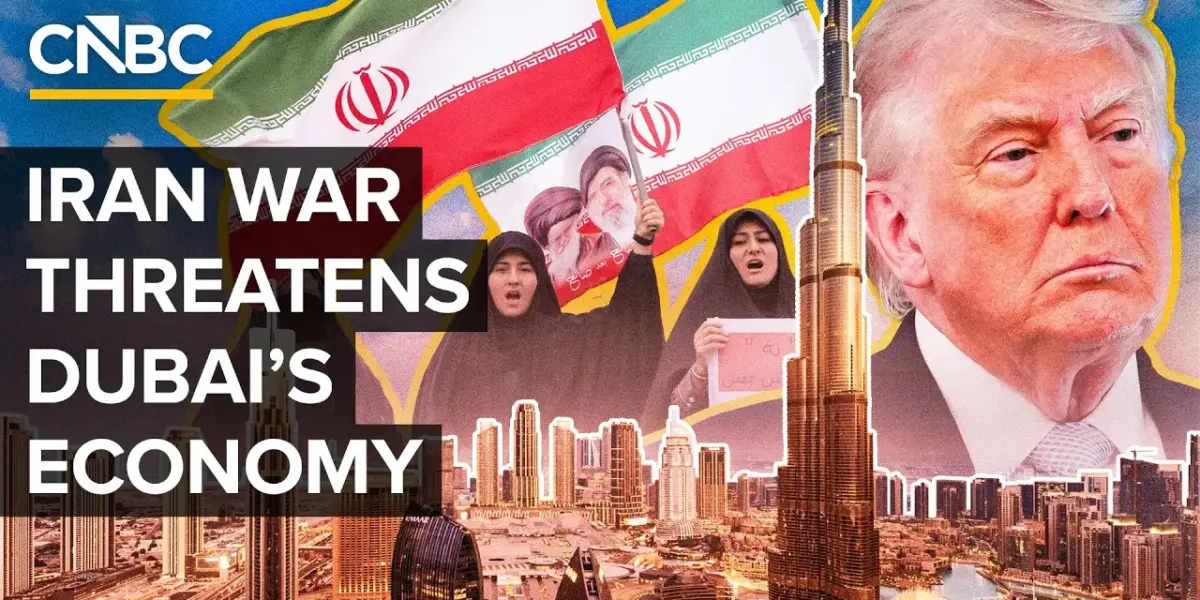
Iran Conflict Slashes UAE Market Value, Disrupts Trade
The United Arab Emirates (UAE) is feeling the economic heat from the ongoing conflict with Iran, with stock markets losing an estimated $120 billion in value. The Dubai Financial Market alone saw a sharp 16% drop in its first month of the war. This conflict is shaking the UAE’s reputation as a secure place for business and investment.
Breaking news of an 11th-hour ceasefire deal between the U.S. and Iran initially sent U.S. stock futures and global equity markets surging. However, the long-term impact on the UAE remains a major concern. The war has disrupted key sectors, from air travel to energy, and threatens the nation’s carefully crafted economic vision.
Dubai’s Safe Haven Status Under Threat
Dubai has long promoted itself as a safe haven for wealthy individuals and businesses. While wealthy residents are not yet fleeing in large numbers, many are pausing major investment decisions. Repairing a damaged reputation takes much longer than fixing physical damage.
The conflict’s impact on air travel has been particularly severe. Dozens of international airlines have suspended flights to the Gulf region. Dubai International Airport, one of the world’s busiest, was struck by debris early in the conflict, forcing it to reduce operations. Rising fuel costs and sharply increased war risk insurance premiums for flights in the region are adding to the economic strain.
Logistics and Trade Hit Hard
The UAE’s economic model heavily relies on its role as a central hub for goods, capital, and people. The conflict has put this critical function under pressure. Jebel Ali, the Middle East’s largest port and a top global player, has seen shipping volumes through the nearby Strait of Hormuz fall drastically.
The Strait of Hormuz is a vital waterway at the entrance to the Persian Gulf. If goods cannot move freely in and out of the region, Dubai’s value as a re-export center is seriously challenged. This disruption impacts supply chains worldwide.
Energy Sector Faces Significant Damage
As a major oil producer and a key member of OPEC+, the UAE’s energy sector is also a target. Iranian attacks have specifically hit critical oil and gas infrastructure. This has led to fears about supply disruptions and price volatility.
Fuel prices within the UAE have already jumped 30%, causing noticeable lines at gas stations. The timeline for repairing damaged energy infrastructure is a major question. Recovery for these facilities is often measured in months or even years, not weeks.
Tourism and Hospitality Reel from Conflict
Dubai’s economy is heavily dependent on tourism, which accounts for roughly 11% to 15% of its GDP. The war has brought the rapid growth seen in recent years to a sudden halt. The tourism and hospitality industries have been hit particularly hard.
In response, the UAE government has introduced a rescue package to support these struggling sectors. The focus is on rebuilding confidence and attracting visitors back to the emirate.
Rethinking Security and Alliances
The UAE has stated that a ceasefire is not enough; it requires security guarantees from Iran. The conflict is prompting a reevaluation of foreign relations, not just with Iran but also with the United States.
There is growing concern about how much the U.S. security umbrella truly benefits Gulf states. The UAE and the U.S. have a long-standing security partnership. However, Iran views the UAE as a launchpad for U.S. operations against it, making the UAE a target.
Despite the challenges, the UAE maintains its readiness to face any situation. The current conflict is likely to strengthen the security ties between the United States and the UAE. Both nations share the goal of preventing Iran from attacking allies in the Gulf.
Market Impact
The conflict has directly impacted the UAE’s financial markets, erasing billions in value and causing significant drops in stock exchanges. Key infrastructure, including airports and ports, has faced disruptions, leading to higher operating costs and reduced capacity. The energy sector’s vulnerability to attacks raises concerns about oil price stability and future investment.
What Investors Should Know
Investors should monitor the geopolitical situation closely. The duration and intensity of the conflict will determine the extent of long-term economic damage to the UAE. The country’s ability to restore confidence in its safety and stability is crucial for attracting future investment. The reevaluation of security alliances could also lead to shifts in regional investment strategies.
Source: How Trump’s Iran War Is Threatening Dubai’s Reputation As A Safe Haven (YouTube)

Related Articles


US Tightens Grip: Iran Strait Blockade Sparks Global Oil Fears
The U.S. is threatening to block Iranian ports, a move that could severely disrupt global oil supplies. This action tests international law and puts major economies like China and India at risk of inflation. The standoff signals a potential shift in global power dynamics.


Ukraine’s Drones Expand ‘Kill Zone,’ Rattling Russia
A Russian military blogger's questions about winning the war highlight Ukraine's expanding drone 'kill zone.' This zone, now 40-50 km deep, makes Russian troop movements and supply lines vulnerable. Ukraine's increasing quantity and quality of drones are inflicting heavy losses and shifting battlefield momentum.

US Navy Blockades Strait of Hormuz, Targets Iranian Tolls
The U.S. Navy has initiated a blockade of the Strait of Hormuz, targeting vessels paying Iranian transit tolls. This move aims to cut off Iranian revenue and follows failed diplomatic talks. The action carries significant geopolitical risks, particularly concerning potential Chinese involvement.