Iran War Shakes China’s Stability: Oil, US Ties in Flux
China faces mounting pressure as the war in Iran threatens its vital oil supply and complicates its relationship with the United States. Beijing's efforts to project stability are being tested by geopolitical uncertainties and the need to secure crucial energy imports.

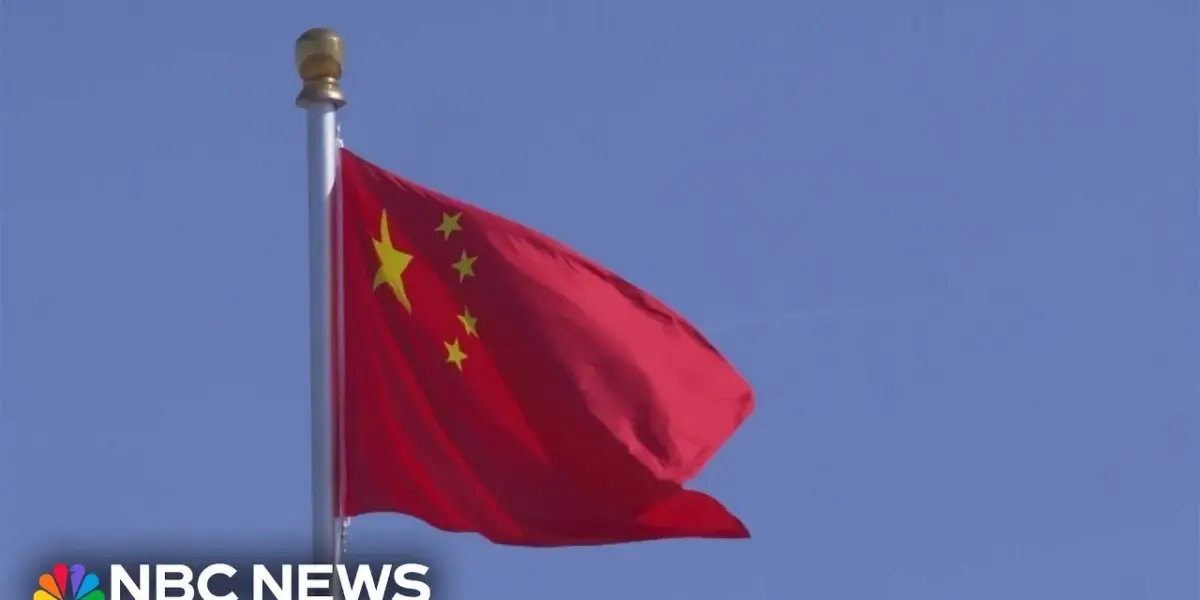
China Navigates Geopolitical Storm Amidst Iranian Conflict
As escalating conflict reverberates across the Middle East, China has convened its annual high-level political meetings, a critical period for outlining the nation’s economic growth targets and policy directives. These gatherings, designed to project an image of unwavering stability, underscore Beijing’s determination to manage a decelerating economy and navigate a world fraught with uncertainty, including an unpredictable United States presidency. The meticulously orchestrated proceedings, with decisions largely predetermined, did not initially account for the disruptive influence of the war in Iran.
Economic Repercussions: Oil Security and the Strait of Hormuz
The war in Iran presents a complex challenge for China, the world’s foremost importer of oil and natural gas. A significant portion of China’s crude oil supply, nearly 40%, originates from Gulf nations and transits through the vital Strait of Hormuz. Furthermore, China is a major purchaser of Iranian oil, acquiring almost all of its exports at substantial discounts.
While China maintains considerable oil reserves, its energy security is intrinsically linked to the stability of oil flow from Iran. Disturbingly, some commercial vessels are reportedly re-identifying as China-owned or China-linked to circumvent potential targeting by Iran as they traverse the waterway. Despite these security concerns, Iran’s oil exports have remained remarkably resilient, nearing record highs, thus ensuring China’s continued access to Iranian crude at this juncture.
“Any disturbance anywhere in the world is, you know, um against the United Nations charter is obviously something that um it’s of a concern.”
The United States has publicly committed to ensuring the free passage of vessels through the Strait of Hormuz, a stance that could be interpreted as a strategic gesture towards China. Beijing’s official response to the conflict has been measured, characterized by language that suggests a primary focus on maintaining the uninterrupted flow of oil from the Gulf. Phrases such as describing the war as one that “benefits nobody” indicate a pragmatic approach prioritizing economic interests over overt political alignment.
US-China Relations Under Strain: Summit Uncertainty Looms
The escalating US involvement in the Middle East mirrors concerns previously raised regarding American intervention in Venezuela, sparking fears that increased military engagement could embolden China to adopt a more assertive stance on other geopolitical fronts, notably Taiwan. This potential escalation has been dismissed by President Trump.
Intriguingly, since the onset of the conflict in Iran, China has reportedly scaled back its aerial drills around Taiwan, though the precise reasons remain unclear. One prevailing theory suggests that Beijing is keen to preserve the momentum of President Trump’s upcoming visit to China. At his annual press conference, Chinese Foreign Minister Wang Yi highlighted the extensive agenda planned for high-level exchanges, labeling the upcoming year as pivotal for US-China relations.
However, with less than three weeks remaining before President Trump’s scheduled arrival in Beijing, a cloud of uncertainty hangs over the summit. Sources and media reports indicate a significant lack of clarity from the White House regarding the specific agenda items. While a US planning team is currently in Beijing, Chinese officials are reportedly anxious to finalize every detail in advance, underscoring a desire for predictability in the high-stakes diplomatic engagement.
“It has to be now a new balance and new equilibrium. So, I think that new equilibria has been established now.”
President Trump has previously described his impending visit to China as potentially “a wild one.” While the event is expected to be marked by considerable ceremony and fanfare, the underlying geopolitical tensions and the unresolved issues surrounding the Iran conflict could cast a shadow over the proceedings.
Looking Ahead: What’s Next for China and the Global Stage
The unfolding situation in Iran presents a critical juncture for China, testing its ability to safeguard its economic interests, particularly its energy security, while navigating complex diplomatic relations with the United States. The upcoming US presidential visit to Beijing will be closely scrutinized for signs of progress or further strain in bilateral ties. Observers will be watching to see if China can maintain its delicate balancing act, ensuring stability at home and abroad amidst a volatile international landscape. The potential impact of the Iran conflict on global energy markets and China’s strategic responses will remain a key focus in the coming months.
Source: What the war in Iran means for China (YouTube)

Related Articles


Stocks Ignore War Risks, Focus on “Taco Moments”
Stock markets appear to be overlooking the severe supply chain risks stemming from the Iran conflict, focusing instead on potential diplomatic de-escalations. While the S&P 500 shows resilience, bond and commodity markets signal deep concern over disruptions to critical resources like LNG, helium, and fertilizers.

U.S. Iran Tensions Rise Amid Shifting Alliances
Rising tensions between the U.S. and Iran are creating a volatile geopolitical situation. With conflicting signals on de-escalation and potential shifts in alliances like NATO and U.S.-Israel relations, the path forward remains uncertain. The global economy and regional stability hang in the balance.


Iran Targets US With Cyberattacks, Escalating Digital Warfare
Iran is increasingly using cyberattacks to challenge the U.S., as seen in a recent hack of the FBI director's account. Experts say this is a strategic shift due to Iran's limitations in conventional warfare. The U.S. needs to strengthen its digital defenses, focusing on encryption and cloud computing, rather than solely relying on traditional security measures.