Iran War Risks Escalate, Market Faces Uncertainty
Geopolitical tensions surrounding Iran's nuclear program and military operations are escalating, leading to market uncertainty despite short-term resilience. Investors are urged to consider the evolving conflict, potential economic disruptions, and the importance of fundamental company analysis amidst shifting narratives.


Geopolitical Tensions Rise as Iran Conflict Evolves
Recent statements from Donald Trump regarding Iran’s nuclear program and the ongoing military operations have raised significant questions and concerns for global markets. Initially, the narrative suggested Iran was weeks away from a nuclear weapon, a primary justification for military action. However, a shift in messaging now downplays the urgency, with statements indicating the uranium is deeply buried and monitored, leading to confusion and skepticism about the initial rationale for intervention.
This apparent contradiction has fueled speculation about the true intentions and strategic objectives behind the conflict. The market, while showing short-term resilience, is grappling with the implications of shifting justifications and the potential for prolonged instability. The economic impact, particularly on oil prices via the Strait of Hormuz, is proving to be more substantial than initially predicted.
Market Reacts to Shifting Narratives and Economic Data
Despite the geopolitical uncertainties, the stock market has shown signs of strength. This has been partly attributed to a belief that the conflict might be resolved relatively quickly. Some analysts noted a natural bounce expected around the 577 mark, with some anticipating a more significant upward movement. This optimism is also supported by recent economic data, including stronger-than-expected employment figures from ADP, which suggest the underlying economy remains robust. The absence of significant increases in layoff data, even amidst corporate job cuts, points to a stable labor market.
However, this short-term market enthusiasm is juxtaposed against deeper concerns. The stabilization in private credit markets and bond pricing offers a glimmer of hope, suggesting that while risks exist, they may not be immediately existential for the broader economy. The potential for interest rate hikes has also been largely priced out, providing some relief to investors.
Iran’s Military Capabilities and Strait of Hormuz Threat
While official reports claim significant destruction of Iranian naval assets, the threat posed by smaller, less conventional craft and sea mines remains a critical concern. Thousands of small boats and mines could be deployed to disrupt shipping in the Strait of Hormuz, a vital global oil transit route. The ability to counter these asymmetric threats is questionable, and their deployment could make reopening the strait extremely difficult, potentially leading to prolonged disruptions and sustained high oil prices.
The effectiveness of military actions against Iran’s air force and navy is being debated, particularly in the context of their ability to secure the Strait of Hormuz. The focus on destroying larger vessels may have overlooked the persistent threat from smaller, more agile threats that are harder to track and neutralize. This raises questions about whether the military objectives are being fully met or if the conflict is evolving into a more complex and protracted engagement.
Investor Scrutiny on Corporate Fundamentals
Beyond geopolitical events, fundamental analysis of individual companies is also highlighting potential risks. For instance, companies like Restoration Hardware have seen significant stock declines following earnings reports that missed expectations. Warnings about high inventory levels, declining pricing power, and challenging balance sheets preceded these drops, underscoring the value of long-term fundamental analysis in identifying potential downturns.
Similarly, Nike has faced scrutiny over falling pricing power and competitive pressures, leading to a notable stock price decrease. These examples illustrate how underlying business fundamentals can signal trouble long before it’s reflected in broader market sentiment. Investors are reminded that understanding a company’s financial health and market position is crucial for navigating both bull and bear markets.
Evolving Scenarios and Recession Risks
The geopolitical situation in Iran is dynamic, leading to updated scenarios for potential outcomes. The likelihood of escalation has been adjusted upwards, with increased probabilities assigned to scenarios involving forceful actions to secure the Strait of Hormuz. Conversely, the probability of a complete withdrawal or a simple monitoring approach has been downgraded.
The risk of recession, while not immediate, remains a background concern. The potential for a prolonged economic downturn is amplified by the current geopolitical climate and the specific economic policies that might be implemented. Investors are advised to consider their time horizon and financial obligations when making investment decisions, especially if considering buying into market dips. The current economic data, while positive in the short term, does not entirely negate the possibility of future economic contraction.
What Investors Should Know
- Geopolitical Uncertainty: The evolving situation in Iran presents significant risks, including potential escalation and continued disruption of oil markets.
- Shifting Justifications: Contradictory statements regarding Iran’s nuclear program raise questions about the strategic objectives and transparency of the conflict.
- Economic Resilience vs. Long-Term Risks: While current economic data shows strength, the potential for a recession and the impact of geopolitical instability remain key concerns.
- Importance of Fundamental Analysis: Examining company-specific financial health and market positioning is critical for identifying investment opportunities and risks, as demonstrated by recent corporate earnings.
- Strait of Hormuz Threat: The persistent threat from smaller Iranian naval assets and sea mines poses a significant risk to global oil supply routes.
Source: We're being F**KING LIED TO!!! (YouTube)

Related Articles


US Iran Policy Shifts: Victory Redefined Amidst Empty Claims
US policy towards Iran is constantly shifting, moving away from clear goals like regime change to less defined objectives. Recent claims of destroying Iran's ancient military assets raise questions about actual progress, especially since Iran retains control over the vital Strait of Hormuz. This highlights a need for a more consistent and transparent foreign policy.
Ukraine Eyes Moscow with New Ballistic Missiles
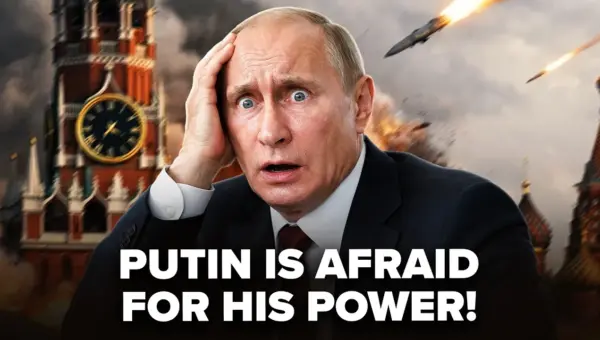
Ukraine is developing ballistic missiles with an 850km range, potentially capable of striking Moscow by summer. This capability aims to equalize the battlefield and could influence Russian public opinion and political calculations, while President Putin's reduced public activity suggests internal pressures.
Trump Promises Iran War End in 3 Weeks
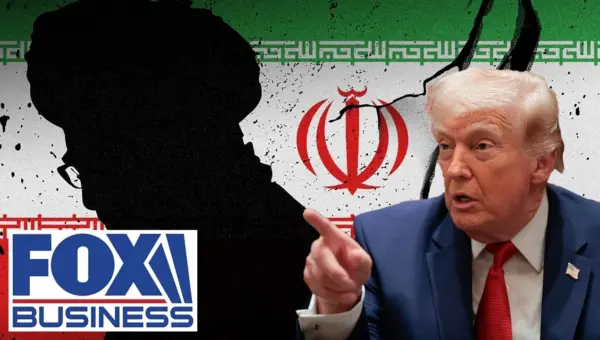
President Trump plans to conclude military operations in Iran within two to three weeks, vowing to hit the nation "extremely hard." The conflict has impacted gas prices, but the President expects a quick market recovery. European allies are urged to take more responsibility for securing vital shipping lanes.