Iran War Risk: US Action Could Backfire, Expert Warns
A former U.S. deputy national security advisor warns that American naval actions in the Strait of Hormuz could backfire, potentially hurting the U.S. more than Iran if the conflict prolongs. He also expressed doubts about the current administration's ability to conduct effective diplomacy with Iran.

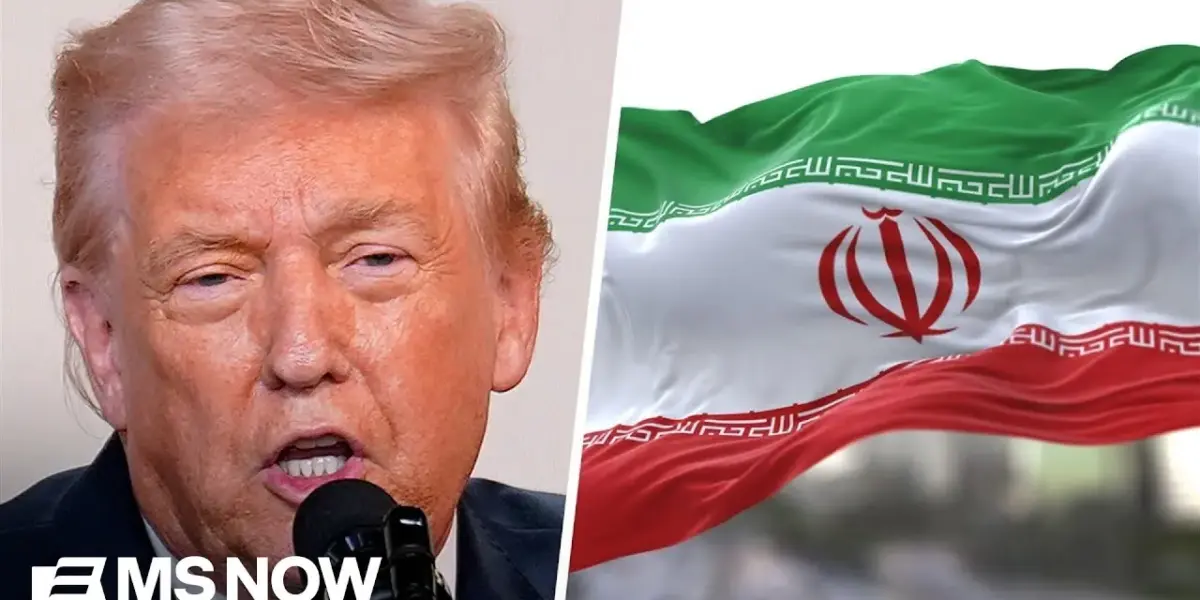
US Navel Action in Strait of Hormuz Raises Stakes
American ships have begun enforcing a blockade in the Strait of Hormuz, a critical waterway for global oil transport. Iran has responded with threats to retaliate against ports in the Persian Gulf. This move by the United States is seen as a high-stakes gamble, with potential for serious economic and political fallout.
Expert Fears Prolonged Conflict Will Hurt U.S. More
John Feiner, former deputy national security advisor in the Biden administration, expressed concerns about the escalating situation. He suggested the U.S. action could be akin to “putting a gun to our own head.” Feiner believes Iran’s strategy may be to prolong the conflict. Their hope is that the longer the war continues and the more the global economy suffers, the greater the damage to the United States. This would occur economically, politically, and in relations with key allies. Iran’s leadership may be willing to endure economic hardship themselves, believing the pain inflicted on the U.S. and its partners will be more significant. “Their economy is not in great shape,” Feiner acknowledged, “and this will hurt them. But their belief is that this will hurt the United States and their friends and allies more.”
Doubts Cast on Diplomatic Approach
The current situation also raises questions about the possibility of diplomatic solutions. Former Secretary of State Hillary Clinton recently criticized the administration’s approach to negotiations. She described diplomacy as requiring “hard work” and a “disciplined effort,” not just brief meetings. Clinton expressed doubt about the administration’s willingness or capability to engage in such demanding diplomatic processes. She pointed to the repeated use of the same individuals for complex international issues, including Ukraine, Iran, and Gaza. “I don’t see this administration either wanting to do it or frankly being capable of doing it,” she stated.
Negotiation Experts Highlight Need for Detail and Patience
Feiner, drawing on his own experience negotiating with Iran, emphasized the complexity of such talks. He worked with Secretary of State John Kerry on negotiations, including the Joint Comprehensive Plan of Action (JCPOA). Feiner noted that the Iranians are “masters of the details” and possess deep knowledge of the issues. He stressed the need for significant expertise in any negotiation team. “They know the file inside and out,” he explained. “You have to bring significant expertise into those conversations.”
Feiner also highlighted the time-consuming nature of these negotiations. He dismissed the idea that a deal could be reached in a single day as “impossible to imagine.” He recalled that the JCPOA negotiations took multiple years. During the final stages, Secretary Kerry remained in Vienna for 19 consecutive days. This extended stay was aimed at finalizing the deal, which Feiner described as a significant commitment. “The longest an American Secretary of State had been outside the country in one place in quite some time, probably more than a century to try to finish that deal,” he said. The success of such efforts requires immense “patience” and “attention to detail.”
Looking Ahead
As the U.S. enforces the blockade and Iran issues threats, the international community watches closely. The effectiveness of the U.S. strategy and Iran’s response will likely determine the next steps. The challenges in diplomatic engagement suggest that finding a peaceful resolution will require sustained effort and deep expertise. The coming weeks will be crucial in understanding whether de-escalation or further conflict will define the path forward.
“The longer this goes on and the more damage that’s done to the global economy, the more that that will hurt the United States economically, politically, in terms of our relations with key allies.”
Source: Longer the Iran war goes on, 'the more this will hurt the U.S.': Fmr. Dep. NSA (YouTube)

Related Articles


US Blocks Iran Ports Amid Escalating Tensions, Oil Prices Surge
President Trump announced a U.S. military blockade on Iranian ports, escalating tensions after peace talks failed. The move sent oil prices soaring above $100 a barrel. Meanwhile, Congressman Eric Swalwell suspended his California gubernatorial campaign amid sexual misconduct allegations, and the Artemis II astronauts returned safely from their historic moon mission.

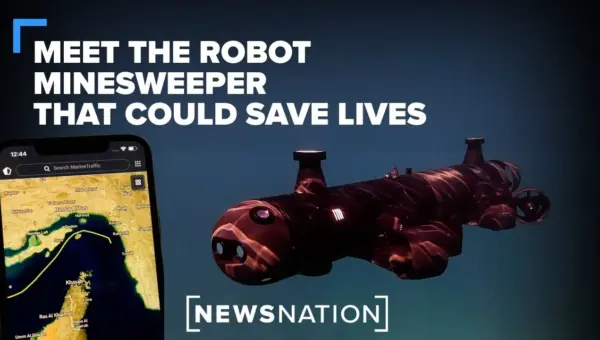
Navy Eyes Robot Drones for Mine Warfare
A new underwater drone, the Mako, developed by Ulysses Maritime Technologies, is being eyed by the U.S. military for mine detection and disposal. Originally designed for environmental restoration, this autonomous vehicle could enhance naval defense, especially amid rising tensions in the Strait of Hormuz.

YouTube Channel Faces View Slump, Creator Explores New Direction
A popular geopolitical YouTube channel is experiencing a significant drop in viewership, prompting the creator to experiment with new content formats like food vlogs and consider a major channel overhaul. With a two-month evaluation period set, the future direction of the channel hangs in the balance as the creator seeks to re-engage audiences and maintain relevance.