Iran War Puts Netanyahu in ‘Grievous’ Position Amid Global Fallout
The ongoing conflict involving Iran has placed Israeli Prime Minister Benjamin Netanyahu in an extremely difficult situation, with significant long-term consequences. Global support has been damaged, and the situation in the Strait of Hormuz presents a major challenge due to Iran's control over vital oil and gas supplies. The war's initiation by the US and Israel, coupled with shifting political objectives, raises concerns about its impact on regional stability and international relations.

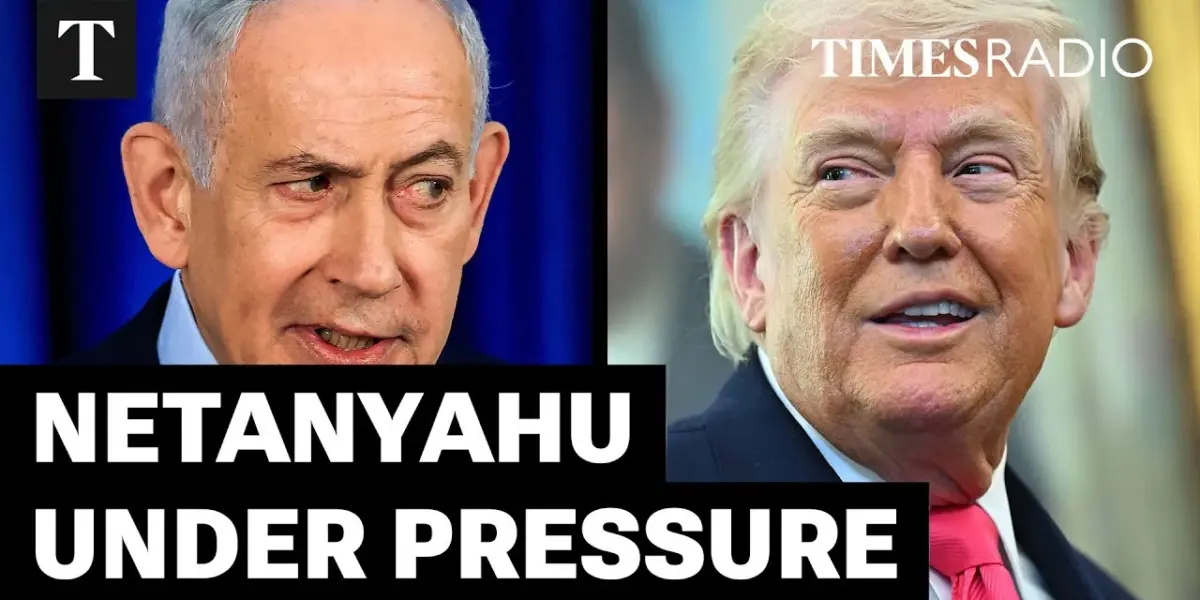
Israel Faces Dire Consequences Amid Iran Conflict
The ongoing conflict involving Iran has placed Israeli Prime Minister Benjamin Netanyahu in an extremely difficult situation, with significant long-term consequences for the nation. International support, particularly from Western European countries, has been severely damaged, creating a precarious geopolitical landscape for Israel.
Uncertainty and Mixed Messages Plague the Region
Confusing signals and mixed messages are emerging from global powers regarding the Iran conflict. While some hope for a strategic method behind the apparent ‘madness,’ the situation in the Strait of Hormuz remains a deeply challenging problem. Iran’s geographical advantage and control over a significant portion of global oil and gas supplies allow it to potentially hold the world at ransom.
Strait of Hormuz: A Vital Chokepoint
The Strait of Hormuz is a critical waterway, controlling the flow of oil and gas from the Middle East. While alternative pipeline routes exist, none match the capacity of this vital chokepoint. Its openness to all except Iran’s enemies—which includes most of the Western world—is now under threat, contributing to global energy market instability.
Economic Impact and Shifting War Aims
Rising oil prices, potentially topping $50 a barrel, are expected to wreak havoc on energy markets in the UK and the wider Western world. The path to achieving genuine regime change in Iran, leading to a democratic state, appears distant. This is especially true without direct US military intervention, which lacks public support in America.
US Role and Trump’s Shifting Stance
The conflict was initiated by the United States and Israel. Talks that were reportedly making progress were abruptly abandoned by the American delegation before the war began. This unprovoked attack on a sovereign nation, violating international laws of war, has drawn criticism. President Trump’s initial objective of calling upon the Iranian people to rise up against their leaders has been abandoned, leading to questions about his strategy and understanding of the situation.
Netanyahu’s Strategy and Its Repercussions
For years, Benjamin Netanyahu pursued a strategy of befriending Saudi Arabia by leveraging their shared animosity towards Iran. This approach aimed to neutralize Arab opposition to Israel and diminish the impact of Palestinian uprisings. However, following the events of October 7th, Netanyahu shifted focus to confronting Iran directly. This decision is seen by some as having inflicted immense damage on Israel’s international standing and relationships.
Damaged Alliances and Domestic Pressures
Netanyahu has lost a key partner in the American people, as US voters’ support for the conflict appears to be waning. Support from Western European nations has also been significantly damaged. Furthermore, Netanyahu faces intense domestic pressure, with potential elections in June. This creates an urgent need for him to declare some form of victory over Iran to bolster his campaign.
The Iranian Perspective: A Difficult Position
Voices from within Iran suggest that ending the war now would be detrimental. With the Islamic Revolutionary Guard Corps (IRGC) reportedly empowered, a premature end to hostilities could lead to increased repression and a lack of a clear path toward freedom for the Iranian people. They find themselves caught between warring factions, with the current political maneuvering potentially exacerbating their situation.
Broader Implications for Warfare and Politics
The conflict raises questions about the future of warfare and the role of political motivations in military action. The immense cost in lives and resources, coupled with shifting political objectives, highlights the complex interplay between international relations, domestic politics, and military engagement. The focus on political expediency, particularly in relation to upcoming elections in both the US and Israel, could have dire consequences for the populations directly affected by the conflict.
What to Watch Next
All eyes will be on how the conflict evolves in the coming weeks, particularly concerning any potential escalation or de-escalation efforts. The pressure on Netanyahu to secure a decisive outcome before potential elections will be a key factor to monitor. Additionally, the global response to the ongoing instability in the Strait of Hormuz and its impact on energy markets will remain a critical concern for international leaders and consumers alike.
Source: Iran War Puts Netanyahu In ‘Grievous’ Position (YouTube)

Related Articles


Stocks Ignore War Risks, Focus on “Taco Moments”
Stock markets appear to be overlooking the severe supply chain risks stemming from the Iran conflict, focusing instead on potential diplomatic de-escalations. While the S&P 500 shows resilience, bond and commodity markets signal deep concern over disruptions to critical resources like LNG, helium, and fertilizers.

U.S. Iran Tensions Rise Amid Shifting Alliances
Rising tensions between the U.S. and Iran are creating a volatile geopolitical situation. With conflicting signals on de-escalation and potential shifts in alliances like NATO and U.S.-Israel relations, the path forward remains uncertain. The global economy and regional stability hang in the balance.


Iran Targets US With Cyberattacks, Escalating Digital Warfare
Iran is increasingly using cyberattacks to challenge the U.S., as seen in a recent hack of the FBI director's account. Experts say this is a strategic shift due to Iran's limitations in conventional warfare. The U.S. needs to strengthen its digital defenses, focusing on encryption and cloud computing, rather than solely relying on traditional security measures.