Iran War Looms: Trump’s Ultimatum Sparks Global Alarm
President Donald Trump's ultimatum to strike Iran's power plants and bridges has sparked global concern. This escalates tensions, raising fears of wider conflict and humanitarian crises. The situation demands careful consideration of diplomatic versus forceful approaches.


Iran War Looms: Trump’s Ultimatum Sparks Global Alarm
A ticking clock is counting down for President Donald Trump’s controversial ultimatum. He has threatened to target Iran’s power plants and bridges if certain conditions are not met. This stark warning has sent ripples of concern through international communities, raising fears of a potential military escalation.
The situation is developing rapidly, with analysts closely watching for any signs of compliance or defiance from Iran. The focus is on the potential consequences of such drastic action, both for the region and for global stability. This is not just about military might; it’s about the real-world impact on everyday people and international relations.
The President’s Threat: A Closer Look
The core of the issue lies in President Trump’s explicit threat to attack critical infrastructure. Specifically, power plants and bridges are named as potential targets. This kind of action, if carried out, would represent a significant escalation in tensions. It moves beyond traditional military engagements into directly impacting civilian life and economic stability.
Such threats are not made lightly, and they carry immense weight. They signal a willingness to employ extreme measures. The international community is now waiting to see how Iran will respond to this high-stakes demand and what the United States might do next.
Historical Context: A Pattern of Escalation?
The current situation echoes past periods of heightened global tension. Historically, threats against infrastructure have often been seen as a move of last resort or a deliberate attempt to provoke a strong reaction. The Iran nuclear deal and subsequent US withdrawal, along with various sanctions, have already created a complex and often volatile relationship between the two nations.
Understanding this history is crucial to grasping the gravity of the current ultimatum. It suggests a pattern where diplomatic channels may be strained, and more forceful options are being considered. Each past event has shaped the present, making the current threat particularly concerning.
Potential Repercussions: Beyond the Battlefield
The implications of carrying out such threats extend far beyond immediate military action. Attacking power plants could plunge entire cities into darkness, crippling essential services like hospitals and communication networks. Damaging bridges would sever vital transportation links, disrupting trade and the movement of goods and people.
These actions would likely have severe humanitarian consequences. They could also trigger widespread economic disruption, not just in Iran but potentially across the globe due to interconnected markets. Furthermore, such a move could alienate allies and embolden adversaries, fundamentally altering the geopolitical balance.
Balanced Perspectives: Diplomacy vs. Deterrence
While the ultimatum presents a clear and forceful stance, it’s important to consider different viewpoints on how to manage international relations. Some argue that such direct threats serve as a necessary form of deterrence, signaling a firm resolve to prevent certain actions. They believe that a strong show of force can prevent larger conflicts down the line.
Others contend that such aggressive language and threatened actions are counterproductive. They argue that diplomacy, negotiation, and de-escalation are more effective long-term strategies. Focusing on dialogue, even with adversaries, can build trust and find common ground, ultimately preventing the need for military intervention.
Why This Matters
This situation matters because it directly impacts global peace and security. The potential for conflict in a strategically vital region like the Middle East has far-reaching consequences. It affects energy markets, international trade, and the safety of millions. The decisions made now could shape the geopolitical landscape for years to come.
It also highlights the immense power and responsibility held by world leaders. The words they use and the actions they take can have profound effects. Understanding these dynamics helps us all better comprehend the complex challenges facing our interconnected world.
Future Outlook: A Path Forward?
The immediate future hinges on Iran’s response and President Trump’s next steps. Will diplomacy prevail, or will the threats be acted upon? The coming days and weeks will be critical in determining the trajectory of this tense situation.
Looking ahead, the international community will likely continue to call for restraint and a return to diplomatic solutions. The long-term outlook depends on whether channels for communication can be reopened and if a mutually acceptable path can be found. The world watches, hoping for a peaceful resolution.
Source: IRAN WAR: Power Plants And Bridges Night | Viewer Q&A (YouTube)

Related Articles

Ukraine Seizes Initiative on Frontlines
Ukraine has regained battlefield initiative, employing refined tactics and effective deep strikes into Russian territory. Russia is struggling to adapt with costly armored assaults and potential mobilization. Ukraine's air defense and drone capabilities are improving, while NATO's role in global security remains critical.
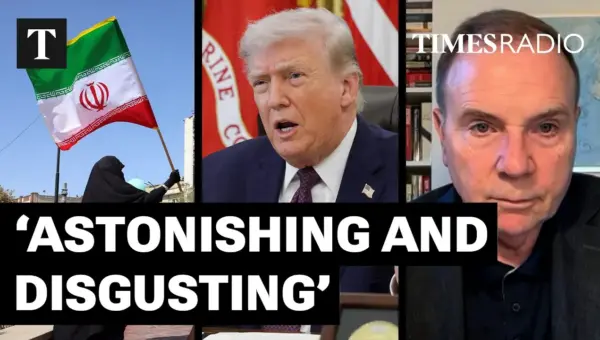
General Hodges: US Officers Must Resist Illegal Trump Orders
Former NATO commander Lt. Gen. Ben Hodges stated that President Trump's threats to destroy Iranian civilian targets could constitute war crimes. He urged U.S. officers to use their moral courage to resist illegal orders, even from the commander-in-chief.
GOP Congressman Discusses Iran Threats, DHS Funding
Congressman Marlon Stutzman discussed former President Trump's strong statements on Iran and the challenges of funding the Department of Homeland Security. He believes reconciliation is the key legislative path forward for DHS funding. Stutzman also suggested potential savings to offset costs by reducing fraud and waste in government programs.