Iran War: Killing Leaders Won’t Topple Regime, Experts Warn
Experts warn that eliminating Iran's leaders may not be enough to topple the regime, suggesting a more complex strategy is needed. The ongoing conflict raises concerns about a prolonged, cyclical war rather than a decisive victory, especially with upcoming elections influencing political timelines.

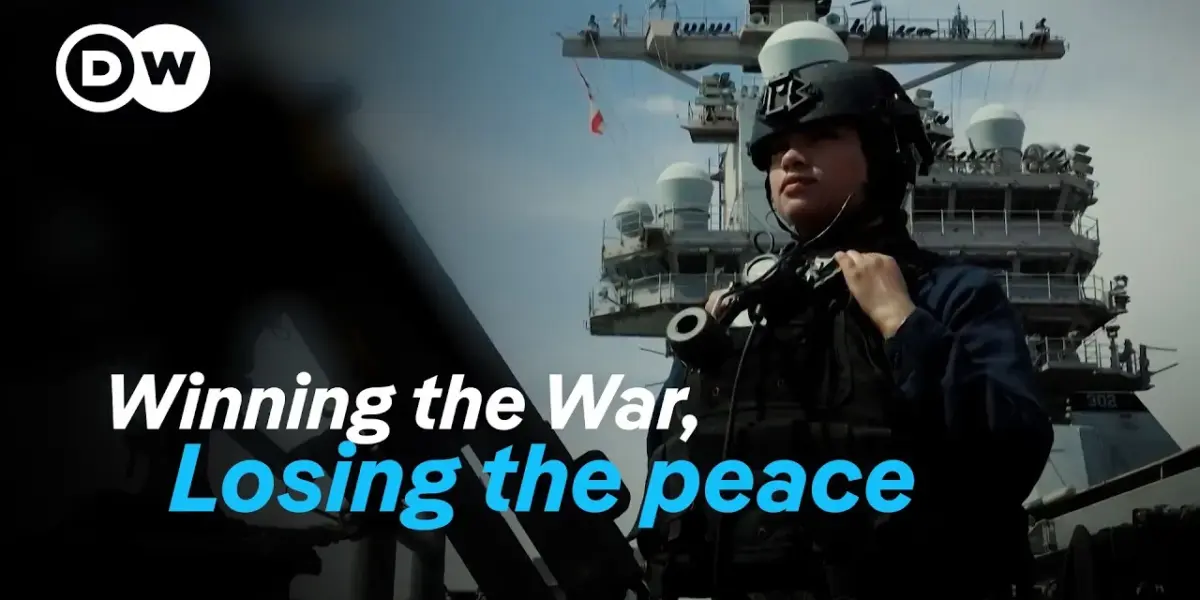
War Strategy Questioned Amidst Military Objectives
The notion of ending a war on one’s own terms is being challenged as experts analyze the ongoing conflict with Iran. While former President Donald Trump has stated that America’s military objectives are nearing completion, this perspective is met with significant concern from some analysts. The strategy of achieving military victory by dismantling Iran’s capabilities is questioned, with a focus on the regime’s resilience and its own strategic approach.
According to insights from figures like Hantiakob Schindler, Iran’s current actions suggest a different kind of conflict than what the U.S. might be prepared for. Instead of large-scale confrontations, Iran is reportedly employing tactics like frequent, smaller rocket attacks. These are designed to cause maximum economic disruption, particularly by targeting infrastructure like airports in Dubai. This approach aims to deter investment in the Gulf region, demonstrating a calculated and adaptive strategy by the Iranian regime.
The “Hamster Wheel” of Nuclear Confrontation
The conflict’s origins are traced back to the decision to militarily engage with Iran’s nuclear program, a move many European nations had long opposed due to the anticipated costs and potential futility. The concern has been that any military strike would only temporarily set back Iran’s nuclear ambitions, leading to a cycle of repeated attacks and rebuilds.
This idea is likened to a “hamster wheel,” where initiating military action against the nuclear dossier means a continuous need for intervention. Even during previous administrations, the challenge of “bombing knowledge” was recognized. Experts suggest that Iran’s technical understanding of centrifuge construction means that even if set back, they could rebuild their program within a few years, necessitating further military action. This creates a scenario where the war might not end with a clear victory, but rather a prolonged, cyclical confrontation.
A Brutal Strategy for Regime Destabilization
Given the structure of Iran’s regime, which is deeply embedded within its military and security forces, a complete overthrow is seen as exceptionally difficult. Hantiakob Schindler outlines a stark, albeit brutal, strategy for achieving regime change. He suggests that the only effective method involves systematically eliminating decision-makers, their successors, and so on, until individuals refuse to accept leadership roles.
This approach, while described as confronting and requiring extensive intelligence, is presented as the only way to internally destabilize the regime. Without such a targeted elimination of leadership, the system is expected to continue functioning, merely replacing personnel. This strategy would likely take many weeks to implement and relies heavily on precise intelligence to identify and neutralize key figures.
Signs of Internal Weakness Amidst the Conflict
Despite the regime’s perceived strength, a specific event has been highlighted as a potential indicator of internal vulnerability. The targeted killing of Ali Larijani, a senior regime figure, in the third week of the war, is seen as significant. The precision of the attack, pinpointing his specific apartment, suggests that individuals with intimate knowledge of his whereabouts may have leaked information to intelligence agencies like Mossad or the CIA.
This incident, occurring within a localized area rather than widespread destruction, points to ongoing infiltration and potential disloyalty within the regime. The fact that such crucial information could be obtained after three weeks of conflict suggests that the regime is not entirely monolithic and may harbor internal dissent that could lead to its destabilization.
The Looming Election Timelines
A critical factor influencing the duration and outcome of the conflict appears to be the upcoming political calendars of key leaders. Both U.S. President Donald Trump and Israeli Prime Minister Benjamin Netanyahu face significant elections in the near future. Trump is seeking re-election, while Netanyahu must hold elections by the end of October and faces legal challenges.
This political pressure creates an implicit deadline for the conflict. Analysts suggest that the war needs to be concluded by late summer to allow both leaders to navigate their electoral landscapes without the burden of an ongoing, unresolved military engagement. Failure to do so could result in significant political setbacks for both leaders, making a swift resolution a strategic imperative.
Conclusion: An Unending War?
The situation raises profound questions about the nature of the Iran war and its potential end. The Machiavellian perspective, suggesting that wars are easily started but difficult to end, seems particularly relevant. Whether the current strategy can achieve its ultimate goals, or if the conflict will devolve into a prolonged and cyclical confrontation, remains a central concern for international observers and policymakers.
Source: Why killing Iran's leaders won't bring down the regime | DW News (YouTube)

Related Articles


Iran Strikes Fuel Geopolitical Tensions, Disinformation Wars
Geopolitical tensions rise as a US fighter jet is reportedly shot down over Iran, amid allegations of a coordinated disinformation campaign potentially involving China. Meanwhile, the US economy shows resilience with strong job growth, and concerns mount over China's technological and trade practices, including alleged bullying of Panama and expanded tech restrictions.

Iran Rejects US Talks After Fighter Jet Downed
Iran has rejected proposed talks with the U.S. in Pakistan following the downing of an American F-15 fighter jet inside Iranian territory. The incident complicates diplomatic efforts and raises questions about regional security and air defense capabilities.

China’s Cyberattacks and Island Building Raise Alarm
China's recent cyberattacks and intensified island-building in the South China Sea are raising global alarms. While the U.S. regains ground in the space race, concerns grow over China's assertiveness and its impact on regional stability and international commerce.