Iran War Jolts Global Markets, Threatens Energy Supply Chains
The U.S.-Iran conflict has triggered a global economic shockwave, disrupting vital energy supplies and trade routes. The Strait of Hormuz, a critical maritime chokepoint, faces paralysis, leading to soaring oil prices and threatening supply chains for major economies like China and Europe. Russia stands to benefit from rising energy costs, while consumers worldwide brace for increased prices and potential inflation.

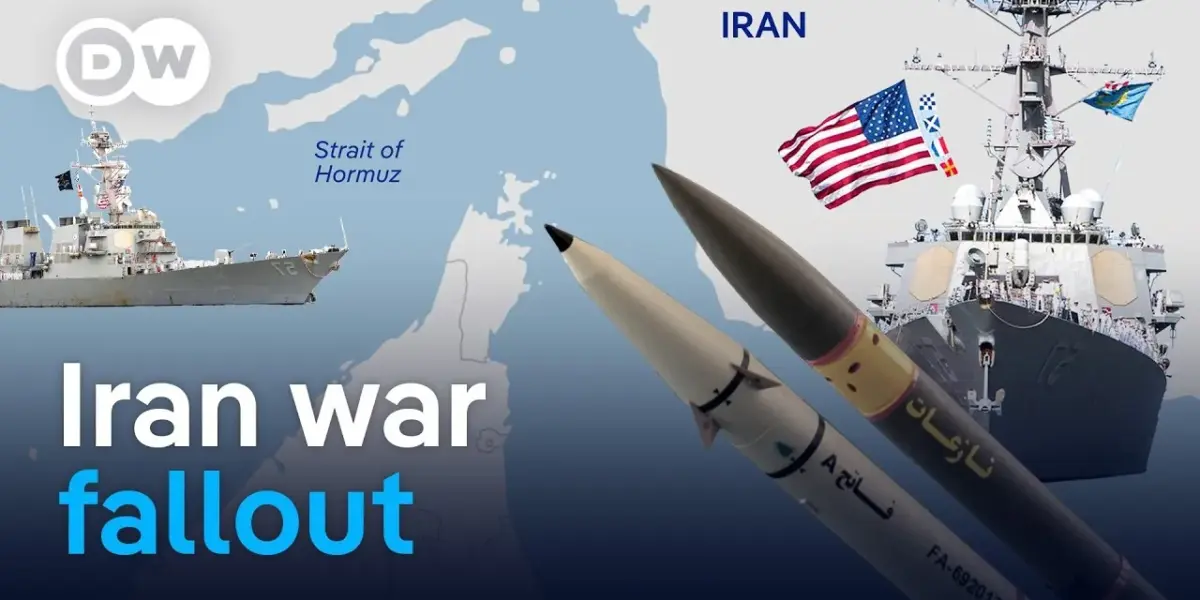
Global Economy Reels as Iran Conflict Disrupts Critical Energy Choke Points
The escalating conflict involving the U.S. and Iran has sent seismic shockwaves across the globe, destabilizing international markets, jeopardizing energy supplies, and disrupting vital trade routes. The immediate aftermath has seen oil prices surge, shipping lanes become increasingly congested, and stock markets exhibit significant volatility. Consumer prices are poised for further increases as the world grapples with the far-reaching geoeconomic implications of the crisis.
Strait of Hormuz: A Critical Artery Under Threat
At the heart of the global concern lies the Strait of Hormuz, a narrow maritime passageway between Iran and Oman that serves as one of the world’s most crucial oil transportation corridors. Approximately 19 million barrels of oil and liquefied natural gas (LNG) pass through this chokepoint daily, representing a significant portion of global energy transit. The U.S. strikes on Iran have effectively paralyzed this critical artery, posing a unique threat to global inflation and economic stability.
“It’s about 19. So just keep in mind the number 19 19 million barrels per day which normally pass through that straight of HUS of which only about eight or nine could be redirected through overland pipelines from Saudi Arabia and the UAE uh without being loaded on ships. The rest would be blocked.”
The potential for disruption is immense. Experts warn that insurers and ship owners may refuse to navigate the strait, or worse, the waterway could become mined, leading to catastrophic blockades. This scenario would severely restrict the flow of energy to major consuming regions, including Europe, Asia, and North America.
China and Europe Face Mounting Energy Vulnerabilities
China, the world’s largest crude oil importer and a significant buyer of Iranian oil, finds itself particularly exposed. Beijing imported over 80% of Iran’s shipped oil last year, accounting for roughly 13% of its total oil supplies. Due to Western sanctions, this oil is often rerouted and relabeled, making direct tracking difficult but underscoring China’s deep reliance.
Europe, despite efforts to diversify away from Russian gas, now faces a new vulnerability through its increased reliance on LNG. Qatar, a major LNG exporter to Europe, relies solely on the Strait of Hormuz for its exports. A complete blockage would immediately cut off approximately 15% of Europe’s total LNG imports. With German gas storage levels critically low at just over 20% capacity, the continent is ill-prepared for a sustained energy supply shock. Analysts caution that European gas prices could surge by as much as 130%, potentially triggering the worst energy market crisis since Russia’s invasion of Ukraine in 2022.
Russia Poised to Benefit from Global Energy Price Hikes
Amidst the global turmoil, Russia, a major oil and gas exporter, stands to benefit significantly from rising energy prices. The conflict could compel countries like India and China to increase their reliance on heavily discounted Russian crude. Analysts estimate that if crude oil prices exceed $100 a barrel, Russia could see a monthly revenue increase of $4.8 billion, providing a timely boost to its war efforts.
Furthermore, any disruption to Iranian oil exports allows Russia to capture a larger share of the global market. President Vladimir Putin may also see the conflict as an opportunity to tie up U.S. assets and divert resources away from Ukraine towards the Middle East.
India’s Economic Outlook Diminished by Supply Chain Risks
India’s economic prospects are also under threat. The nation imports nearly half of its crude supply via the Strait of Hormuz. Potential disruptions could lead to higher fuel prices, pushing India back towards Russian supplies. Beyond energy, India faces risks to its supply chains, weakened consumer sentiment, and potential disruptions to remittances from millions of its migrant workers in Gulf states. This could widen India’s current account deficit and exacerbate inflationary pressures. The impact is also felt in trade, with India being a major exporter of basmati rice to the Middle East, a sector now facing uncertainty.
Shipping Industry Adapts to New Realities
The immediate impact on the shipping industry has been swift and severe. War risk insurance premiums have skyrocketed, and major shipping companies are rerouting vessels to avoid the Strait of Hormuz and the Suez Canal. Logistics giants like Maersk and German shipping company Hapag-Lloyd have halted passages through these critical waterways, opting for longer and more expensive journeys around the Cape of Good Hope. This adds thousands of kilometers to transit times, significantly increasing costs for global trade.
Beyond oil and LNG, the Strait of Hormuz is vital for the global trade of other essential commodities, including one-third of the world’s seaborn fertilizer trade, petrochemicals, sulfur, and industrial raw materials. Its choke point status means that even with expanded pipeline capacity in Saudi Arabia and the UAE, only a fraction of the strait’s daily volume can be rerouted overland.
Consumer Impact and the Spectre of Inflation
The ripple effects of the conflict are expected to reach consumers quickly. While crude oil travels a longer distance to reach the pump, retail gas prices often surge within days to two weeks of a crude oil spike. This rapid price adjustment by gas stations is a mechanism to ensure they have sufficient capital to purchase their next shipments at the elevated prices. During the 2022 Ukraine invasion, consumers saw substantial increases in fuel prices within approximately a week of the initial oil price surge. The current crisis serves as a stark reminder of the world’s precarious dependence on a few key geographic chokepoints for energy and trade.
Looking Ahead: A Test of Global Resilience
The duration of the disruption in the Strait of Hormuz will be the determining factor in the extent of the global economic fallout. Much like the 1973 oil embargo or the 2022 invasion of Ukraine, this crisis presents a critical stress test for the world’s energy infrastructure and its vulnerability to geopolitical instability. Whether this event marks the end of global energy complacency, similar to the lessons learned from past crises, hinges on the resolution of the current conflict and the ability of nations to navigate these turbulent waters.
Source: Iran war exposes global dependence on Middle East energy | DW News (YouTube)

Related Articles


Jayapal Slams Noem, Warns of DHS ‘Lawlessness’ and Iran War
Congresswoman Pramila Jayapal has sharply criticized DHS Secretary Kirstjen Nielsen, citing "lawlessness" and "zero accountability" within ICE and CBP. She also voiced grave concerns over the Trump administration's handling of the Iran conflict, labeling it an "illegal, unconstitutional war."
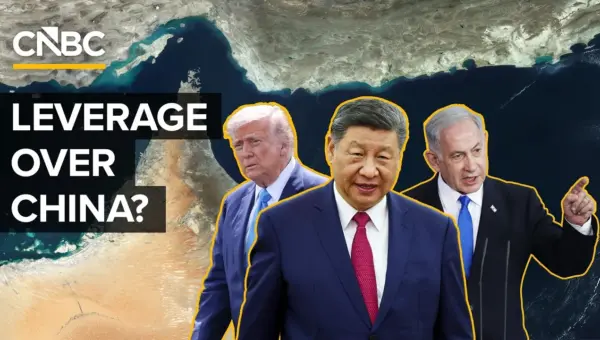
Iran Conflict Threatens 20% of Global Oil, China Faces Energy Squeeze
Escalating tensions around Iran and the Strait of Hormuz threaten 20% of global oil supply, with China facing a significant energy squeeze. Analysts warn of Brent crude exceeding $100 per barrel, impacting global economies and natural gas markets.


US War in Iran Escalates Amidst Domestic Economic Woes
As the war in Iran intensifies, the Trump administration faces mounting domestic economic challenges, including job losses and depleted retirement savings. Officials downplay the conflict's severity while critics highlight the human and financial costs.