Iran War Funding Sparks Market Volatility Fears
Potential $50 billion in Iran war funding and escalating Middle East tensions are creating significant market uncertainty. Analysts warn of increased volatility in stocks, Bitcoin, and oil prices, while the Federal Reserve faces renewed inflation concerns. Regulatory developments in crypto also add to the complex market outlook.


Congress Debates $50 Billion Iran War Funding Amidst Market Uncertainty
The specter of increased geopolitical tensions and significant government spending is casting a shadow over financial markets. Discussions in Congress regarding potential $50 billion in funding for military operations related to Iran are creating ripples, with analysts warning of potential market volatility. The proposed funding, aimed at boosting munitions and shoring up defense capabilities, has become a focal point, raising questions about its impact on inflation, interest rates, and risk assets like Bitcoin.
Defense Industry Expects Funding Boost
Bloomberg reports indicate that the defense industry is anticipating a substantial funding package, potentially around $50 billion, to address the escalating situation. Officials suggest the Pentagon may request supplemental funding as early as Friday to replenish munition stockpiles. This potential influx of capital into the defense sector could have broader economic implications, particularly concerning the Federal Reserve’s monetary policy decisions.
Senate Rejects Halting War Funding
In parallel, Senate Republicans have voted down legislation aimed at halting military action in the Middle East, signaling early support for continued engagement. This decision underscores a division in political approaches to foreign conflict and could embolden further military spending. The debate over war powers and presidential authority to engage in conflicts without explicit congressional approval highlights a complex political landscape that often translates into market instability.
Oil Prices Surge Amid Geopolitical Tensions
The conflict in the Middle East is also exerting upward pressure on oil prices. Brent crude has surged to $82.50 per barrel, marking a 20% increase since January. This rise, coupled with concerns about the Strait of Hormuz, a critical chokepoint for global oil transport, is a significant factor for inflation. While measures are being considered to ensure the free flow of oil, including potential escorts and alternative insurance, the market remains sensitive to supply disruptions. Historical comparisons to the rapid oil price increases seen in 2020 serve as a stark reminder of the potential economic fallout.
Global Response and Market Impact
Nations worldwide are responding to the unfolding situation. Japan is considering releasing oil from its national reserves to stabilize refineries, while China has instructed its refiners to suspend exports of diesel and gas, indicating a global effort to secure energy supplies amidst rising tensions. These actions suggest a widespread concern about potential energy shortages and price hikes, which could exacerbate existing inflationary pressures.
Expert Warnings on Stock Market and 401(k) Withdrawals
Geopolitical experts are cautioning that stock markets could face significant downturns before the weekend. The lack of active peace negotiations between key parties suggests a prolonged conflict, which could have cascading effects. On-chain data and traditional market indicators are being closely watched, as the potential for further price increases in essential commodities like gas could strain household finances further. A record number of American workers are reportedly withdrawing funds from their 401(k)s to cover financial emergencies, a trend that could worsen if inflation accelerates.
Federal Reserve’s Dilemma and Inflation Concerns
The current geopolitical climate presents a complex challenge for the Federal Reserve. Recalling the commodity shockwave following Russia’s invasion of Ukraine, analysts are debating whether the current conflict will trigger a similar inflationary response. The Fed’s past aggressive rate hikes were partly a response to such commodity-driven inflation. The duration and severity of the Middle Eastern conflict will be critical factors in determining the Fed’s future monetary policy decisions.
Crypto Market and Regulatory Developments
In the crypto space, regulatory developments are also capturing attention. The IRS is proposing to allow crypto exchanges to deliver tax forms electronically, which could streamline reporting but also increase transparency for tax authorities. Meanwhile, there’s a pending executive order that could provide regulatory clarity for crypto assets under existing securities law. This move, potentially classifying crypto assets and enabling firms to register and comply, could be a significant step towards broader adoption, especially if congressional efforts to pass market structure legislation face delays. The removal of key political figures from influential positions is also being watched for its potential impact on legislative progress.
Market Outlook and Investor Caution
The confluence of geopolitical instability, potential government spending, and evolving regulatory landscapes creates a highly volatile environment for investors. The coming days, particularly Friday, are expected to be critical for market movements. Investors are advised to exercise caution as the situation develops, with potential impacts on risk assets, including cryptocurrencies, and traditional markets alike.
Source: Congress Sending Emergency Cash For War!?💸Crypto Market Update (YouTube)

Related Articles

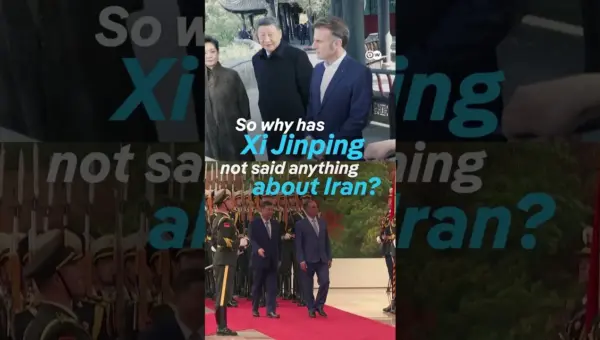
China’s Silent Stance on Iran Conflict Puzzles Global Markets
China maintains a quiet stance on the escalating Middle East crisis, prioritizing economic stability and its long-term strategy to counter U.S. influence. Despite heavy reliance on Iranian oil, Beijing offers diplomatic statements while pressuring Tehran to keep key shipping lanes open.

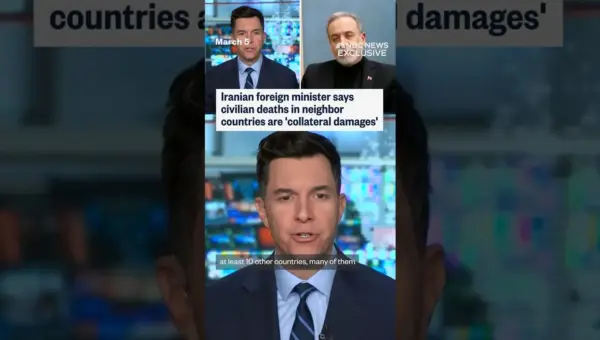
Iran Defends Strikes: ‘Collateral Damage’ in Regional Conflict
Iran's Foreign Minister has described civilian casualties in neighboring countries as "collateral damage," asserting that Iran's targets are solely U.S. installations. He warned that such outcomes are an unfortunate but possible consequence of war, drawing parallels to the situation in Gaza.


Iran’s Elite: Wealth Hoarding Fuels Regime’s Grip
Iran's ruling elite consolidates power through a pervasive system of nepotism known as 'agazade,' where the children of officials control lucrative state-linked industries. This practice exacerbates economic disparity and creates a challenging landscape for genuine private sector growth.