Iran War Funding Sparks Congress Clash, Threatens Global Economy
Representative Adam Smith criticizes the administration's costly Iran war strategy, questioning its effectiveness and fiscal responsibility. A major clash is emerging in Congress over $1.5 trillion in proposed war funding, with lawmakers debating authorization versus appropriation. The conflict risks further global economic instability.


Congress Debates $1.5 Trillion Iran War Funding Amid Economic Fears
A major conflict is brewing in Washington over funding for military actions in Iran. Representative Adam Smith, speaking on The Hill Sunday, raised serious concerns about the administration’s plans. He stated that trillions of dollars toward an Iran war are ‘not the right path.’ The debate highlights a deep division on how to handle the growing tensions with Iran and the immense cost involved.
Military Might vs. Strategic Goals
The U.S. military’s capabilities are undeniable. However, Smith questioned whether these capabilities are being used effectively to achieve desired outcomes in Iran. The President’s threat to disrupt Iran’s ability to export oil, specifically mentioning the Strait of Hormuz, raises alarms. This could mean targeting Iran’s infrastructure and leadership.
Previously, the administration seemed to want to avoid mistakes made in the Iraq War. The idea was to change leadership without damaging civilian infrastructure. This approach was similar to how the U.S. might try to influence Venezuela. But now, if the President’s threats are serious, the strategy appears to be changing. This shift could involve direct attacks on Iran’s economic backbone.
Lessons Unlearned and High Costs
Smith expressed deep concern that despite repeated claims of learning from past wars, actions suggest otherwise. The real challenge, he argued, is defining what success looks like. Most people want Iran to stop being a hostile force in the Middle East. Yet, Smith sees no clear path from current military actions to that goal. The cost has been very high for the global economy.
Gasoline prices have risen over a dollar a gallon in the U.S. In other parts of the world, people can’t get gasoline at all. This economic pain is having a profound impact globally. The question remains: what will force Iran to change its behavior? Smith believes Iran’s goal is simply to survive and inflict pain, a low bar for the U.S. military to overcome.
The Funding Fight: Authorization vs. Appropriation
With the 60-day war powers authorization nearing its end, the administration faces another hurdle: money. The White House is seeking $1.5 trillion for the Pentagon in an upcoming package. Before that, they requested a $200 billion supplemental for war costs. This has led to a significant fiscal fight in Congress.
Senator John Curtis of Utah surprised many by stating that there would be no authorization without funding. Smith agrees with this stance. He pointed out that the administration has only officially requested $1.1 trillion in its budget so far. Future requests for reconciliation packages and supplemental appropriations are expected.
This massive spending increase, over 50% in the defense budget, comes at a time of a $39 trillion deficit. Republicans also cut taxes by $4 trillion last year. Smith argued that if this war is a priority, it should be paid for directly, perhaps through tax increases, rather than adding to the national debt. He believes the war itself was a mistake due to its cost and lack of a clear strategic outcome.
Funding as De Facto Approval?
A key question is whether approving funding for the war amounts to congressional authorization. Smith believes that if Congress votes to fund the war, it effectively acts as approval. He personally would not vote to fund it. From a legal standpoint, authorization and funding should be separate. Authorization is Congress approving the action itself, while funding is paying for it.
However, practically speaking, if Congress approves the full $1.5 trillion requested, it could be seen as implicit approval of the military actions. This is a point of contention for many lawmakers who believe a clear, separate authorization is necessary before committing such vast resources.
Global Impact and Future Scenarios
The potential for escalating conflict with Iran and the massive financial commitment have significant global implications. Disruptions to oil supplies, as threatened, could further destabilize the global economy, particularly impacting energy-dependent nations. The economic strain on the U.S., with rising deficits and potential tax increases, could also affect domestic policies and international standing.
One scenario is that continued military engagement without a clear strategy and congressional authorization leads to prolonged conflict and economic hardship. Another is that the fiscal pressure forces a re-evaluation of the strategy, pushing for diplomatic solutions. A third scenario involves international pressure on Iran, potentially through coordinated sanctions, to force it to negotiate.
The lack of a clear exit strategy or a defined path to achieving strategic goals in Iran remains a central concern. The debate over funding highlights the tension between executive action and congressional oversight, especially when significant financial and human costs are involved. Without a clear plan for de-escalation or resolution, the current path risks further entanglement and economic instability.
Source: Rep. Adam Smith says trillions toward Iran war are ‘not right path’ | The Hill Sunday (YouTube)

Related Articles
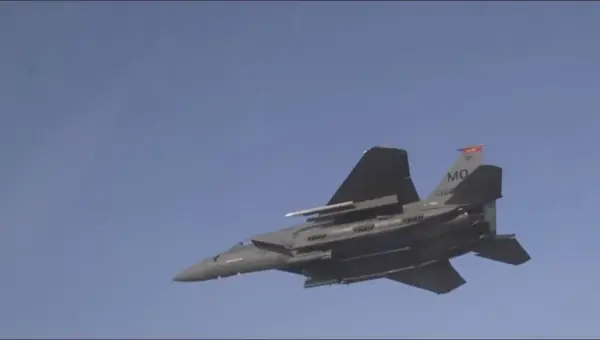
Trump Threatens Ground Troops Amid Iran Tensions
President Trump has not ruled out sending ground troops into Iran if a deal isn't reached, signaling a potential escalation amid rising U.S.-Iran tensions. This comes after a U.S. airman was rescued following a jet downing. The President also indicated no infrastructure targets are off the table.
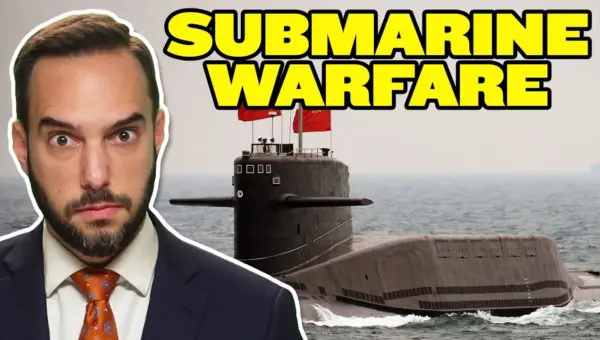
China Maps Seabed, Eyes Hawaii in Naval Power Play
China's extensive seabed mapping in the Pacific, particularly around strategic areas like Guam and Hawaii, is raising concerns about its preparation for submarine warfare. This effort, often disguised as scientific research, aims to enhance China's naval capabilities and challenge US dominance in the region.

Russia Faces Last-Ditch Offensive, Internal Cracks
Russia may be launching a final major offensive in Ukraine as it faces mounting internal pressures. Analysts suggest this push is a last resort before significant manpower and financial issues arise. Meanwhile, increasing domestic information control and official criticism highlight growing cracks within the Russian establishment.