Iran War Fuels Inflation Fears, Bank of England Rate Cuts Unlikely
The escalating conflict in Iran has triggered a sharp rise in oil prices and heightened inflation fears, making Bank of England interest rate cuts unlikely this year. Financial markets are now anticipating potential rate hikes amidst geopolitical uncertainty and disrupted energy supplies.

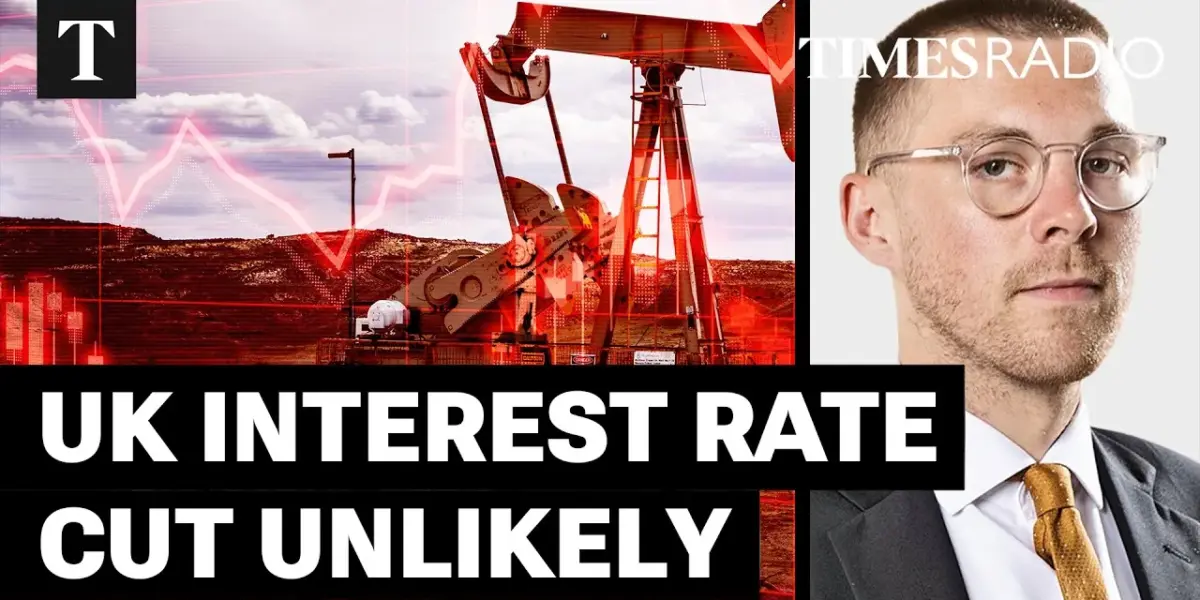
Global Conflict Triggers Economic Shockwaves, Threatening UK Stability
LONDON – The escalating conflict in Iran has sent shockwaves through global financial markets, significantly altering the economic outlook for the United Kingdom. Analysts and central bankers are increasingly concerned that the surge in energy prices and subsequent inflationary pressures will prevent the Bank of England from cutting interest rates this year, potentially leading to a prolonged period of economic difficulty.
Oil Price Surge and its Immediate Impact
The immediate catalyst for this economic turmoil is the disruption to oil supply lines, particularly around the Strait of Hormuz, a critical waterway through which approximately one-fifth of the world’s oil supply passes. The blockade has led to a dramatic spike in oil prices, with Brent crude nearing $130 a barrel at one point. This sharp increase has already begun to translate into higher prices at the pump for UK consumers, with petrol prices reportedly rising by 3 pence per litre in recent days, according to the RAC. Even with prices settling around $100 a barrel, the sustained elevated cost of oil is expected to impact the price of everyday essentials.
“If energy prices are up, the UK and other countries dependent on energy will just be worse off, at least for the period that they’re higher. Now, let’s hope that they come back down again. If they come down quickly, then not much damage done. But if they stay up for a significant period of time, then we can all look forward to another couple of slightly miserable years.”
– Paul Johnson, Economist
Inflation Expectations and the Bank of England’s Dilemma
The surge in spot inflation is compounding existing concerns about inflation expectations. Economists and analysts are worried that consumers, having already endured multiple economic shocks in recent years – including the energy price hikes following the Russian invasion of Ukraine and post-pandemic reopening inflation – are now more sensitive to any rise in prices. This heightened sensitivity could lead to a self-fulfilling prophecy, where the expectation of future inflation causes consumers and businesses to alter their behaviour in ways that embed higher inflation for longer.
This scenario presents a significant challenge for the Bank of England. Historically, periods of high inflation expectations coupled with rising current inflation have made it exceedingly difficult for central banks to lower interest rates. In fact, financial markets have dramatically shifted their expectations regarding monetary policy. Just two weeks ago, markets were pricing in nearly three-quarters of a percentage point in interest rate cuts from the Bank of England this year, which would have brought rates down to 3%. Now, the prevailing sentiment is that a rate increase before the end of the year is a distinct possibility, a move that would further dampen economic growth and exacerbate the inflationary pressures on households.
Uncertainty Over War Aims and Duration
Central to the economic outlook is the profound uncertainty surrounding the duration and ultimate aims of the conflict. While the precise war objectives of the United States under President Trump and Israel’s Prime Minister Netanyahu remain unclear, the economic fallout is directly linked to how long the military actions and resulting trade disruptions persist. The key question for financial markets and the broader economy is the longevity of the current instability.
The political rhetoric from Washington and Jerusalem offers little clarity on the thresholds for de-escalation, leaving markets to grapple with a highly unpredictable geopolitical landscape. This ambiguity fuels volatility and complicates any attempts at long-term economic forecasting.
Impact on Public Finances and Government Bond Yields
The economic ramifications extend to public finances. The recent spring statement by Chancellor Rachel Reeves may have inadvertently benefited from its timing, occurring before the full impact of the Iran conflict became apparent in market data. The uptick in government bond yields over the past week has been significant, reportedly comparable to the market reaction seen during the Liz Truss mini-budget crisis four years ago. This surge in yields indicates heightened investor concerns about inflation and economic stability, increasing the cost of government borrowing.
Looking Ahead: Awaiting Geopolitical Resolution
As the world watches the unfolding events in Iran, the economic consequences remain a primary concern. The delicate geopolitical balance between Iranian leaders seeking to survive, and President Trump looking for a clear path to declare victory, creates a tense waiting game. For the UK economy, the immediate future hinges on a swift de-escalation of the conflict and a stabilisation of global energy markets. Until then, consumers and businesses alike will likely face continued economic headwinds, with the Bank of England’s monetary policy constrained by the persistent threat of inflation.
Source: Bank of England Unlikely To Cut Interest Rates Amid Iran War | Jack Barnett (YouTube)

Related Articles
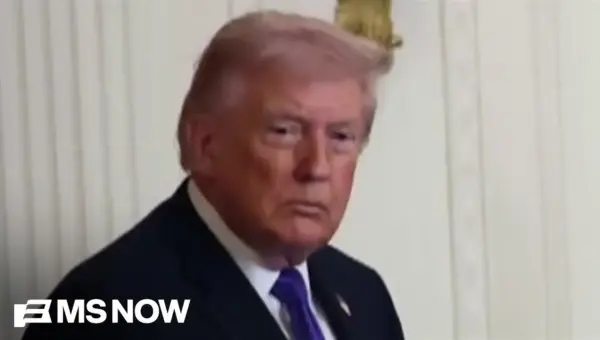
Trump’s Iran War Sparks Oil Surge, Economic Crisis
President Trump's military actions in Iran have triggered a severe energy crisis, sending oil prices over $100 a barrel and disrupting global markets. The conflict has also resulted in U.S. service member casualties, raising concerns about a potential escalation and long-term economic instability.

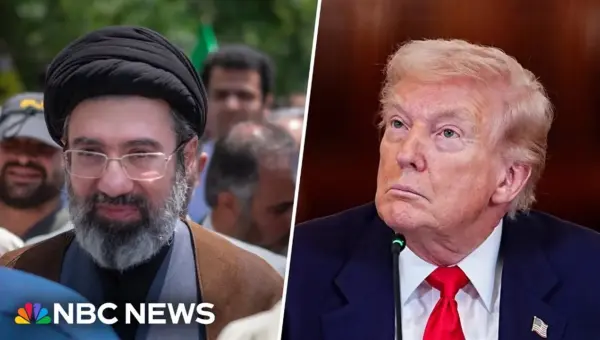
Trump Weighs Oil Price Options Amid Iran War Disruptions
President Trump is exploring options to mitigate rising oil prices amidst the escalating conflict with Iran. Following the President's comments suggesting the war is nearing completion, crude oil prices saw a significant drop, though gasoline prices remain elevated for consumers. The White House is prioritizing strategies to stabilize energy markets and address economic concerns.
Trump’s Handling of Economy, Inflation Worsens Politically
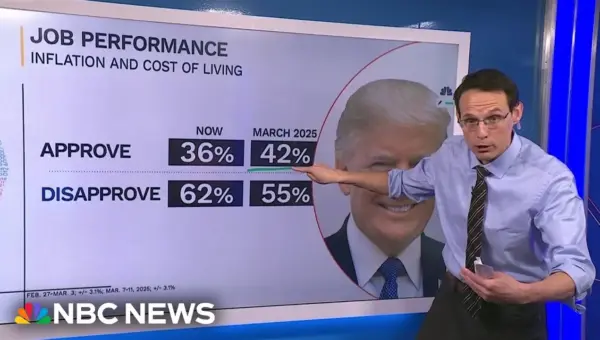
President Trump's approval ratings on inflation and the cost of living are declining, mirroring the political challenges faced before the 2018 midterms. While immigration presents a mixed picture, economic concerns are increasingly weighing on his party's prospects.