Iran War Fuels Global Energy Crisis, Germany Reassesses Future
The war in Iran has triggered a global energy crisis, with oil prices soaring and Germany facing economic strain. As citizens grapple with rising fuel costs, the nation is compelled to accelerate its transition to renewable energy sources and rethink its long-term energy security strategy.

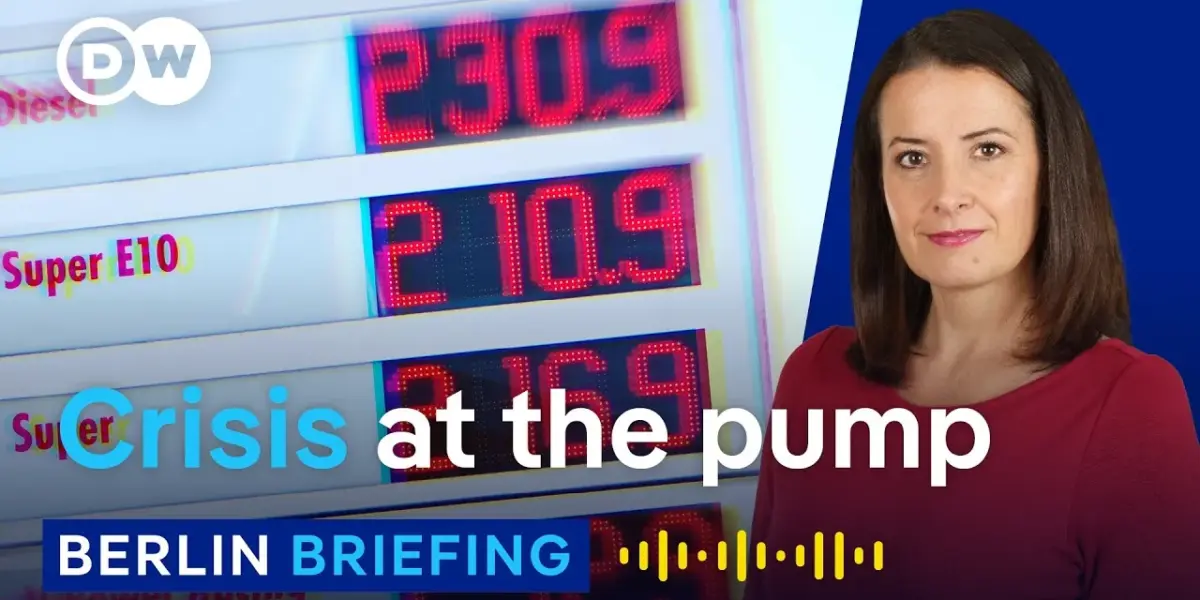
Global Energy Shockwaves Hit Germany Amidst Iran Conflict
A new energy crisis, potentially more severe than the 1970s oil shock, is impacting the world. Global oil prices have surged by approximately 30% in recent weeks, largely due to the conflict initiated by the United States and Israel against Iran. This escalating war has drawn in more nations and effectively closed the Strait of Hormuz, a vital global energy transit route. The pressure on international supply chains is mounting daily, forcing countries to re-evaluate their energy strategies.
Germany Faces Economic Fallout and Public Concern
In Germany, the rising fuel costs are a significant concern for citizens. People in Berlin expressed frustration over increasing prices, with many highlighting their reliance on vehicles for work and daily life. “I have to drive. I’m disabled. I can’t walk far. I rely on my car,” one resident stated, reflecting the challenges faced by those with mobility issues. Others, like taxi drivers, emphasized the direct impact on their livelihoods. “I can’t afford it. But I have no choice. I work as a taxi driver. I need fuel. Otherwise, I can’t make a living,” shared another Berliner.
Economic experts warn that the conflict is making Germany poorer. Official figures indicate the country’s growth rate will halve this year, dropping to 0.6%, with inflation expected to rise. Germany’s Economic Minister, Robert Habeck, acknowledges the severity of the situation but admits there are no easy, short-term solutions to alleviate prices at the pump. Government attempts to offer financial relief through tax breaks or direct payments are seen as ultimately unsustainable, as the cost must be borne by taxpayers or through increased national debt.
Government Intervenes to Curb Fuel Price Volatility
To address extreme price fluctuations, the German government has implemented new measures. Previously, some oil companies were observed to raise prices up to 50 times a day. Now, fuel prices can only be changed once daily, at noon. This regulation aims to bring more transparency and stability to the market, with significant fines for non-compliance. However, critics argue that these measures, while addressing transparency, do not lower the actual global oil price, which is dictated by international markets.
“The price itself is not impacted by that. The price follows instantly the oil price on the oil market worldwide,” explained one analyst. Refiners maintain they are simply passing on increased costs. While prices rise quickly after a shock, they also decline slowly, meaning a return to pre-war price levels could take months even if the conflict ends soon.
Rethinking Energy Independence and Renewables
The ongoing crisis is forcing Germany to confront long-standing debates about energy independence and renewable energy sources. The Green Party, represented by Robin Wagner, has long advocated for expanding renewables. However, the current situation highlights the immediate need for fossil fuels, leading the Economy Minister to consider a more open approach to technologies like nuclear power.
Wagner stressed that relying solely on fossil fuels is a recurring mistake. “The only deal in order to become more independent from this volatility on the international markets linked to the global crisis is renewable energy,” she stated. She argued that renewable energy offers freedom from market volatility and geopolitical pressure. Wagner also criticized recent policy shifts that appear to reduce the focus on renewables, questioning the direction on electric vehicles and building efficiency standards.
Nuclear Power Debate and the Path Forward
The discussion around nuclear power has resurfaced, though experts like Wagner are skeptical. “The energy companies in Germany clearly said that there is no way to bring them back online again in Germany and it would take such a long time to produce nuclear energy again,” she noted. Instead, she proposed focusing resources on renewable energy, which she sees as the key to Germany’s sovereignty and security, not just for climate reasons but for economic stability.
Loyal Campbell, a senior research fellow, suggested that the conversation in Germany is evolving. While historically it may have been ideologically charged, the security and economic risks associated with energy dependency are now more widely recognized. Campbell pointed to China’s investment in electric vehicles as an example of reducing import dependency, even though China is more reliant on Middle Eastern oil. He emphasized that reducing oil and gas demand in sectors with viable alternatives is crucial, highlighting the need for innovation in areas like green hydrogen for industrial processes.
Short-Term Needs vs. Long-Term Solutions
Ben Hri pointed out that while renewables are vital for the future, they do not offer immediate solutions to the current crisis, as fossil fuels still constitute the majority of Germany’s energy consumption. “We need them now, not in 10 years,” he asserted, calling for immediate government measures. He also noted that Germany has sufficient gas reserves, but the problem is the high cost due to global demand, particularly in Asia.
Robin Wagner acknowledged the need for both short-term and long-term strategies. She suggested measures like reinstating a cheap public transport ticket, similar to the €9 ticket introduced during a previous crisis, and exploring antitrust laws to control fuel prices. For those in rural areas, finding ways to afford fuel remains a challenge.
Ending the Conflict as a Top Priority
Both experts agreed that ending the conflict in the Middle East is the foremost priority. Campbell suggested that European nations, including Germany, could increase pressure on the United States and Israel by restricting airspace or base access for military operations, signaling disapproval of the war and its impact on global energy markets. He also highlighted the security risks of relying on volatile regions for energy and the importance of reinforcing national security interests.
Campbell also touched upon the lessons learned from Ukraine’s defense against drones, suggesting potential collaborations with Gulf states to bolster defense capabilities and protect critical infrastructure. This approach, he argued, aligns with Europe’s interests and Germany’s security needs.
Looking Ahead: A Call for Energy Sovereignty
The current energy crisis underscores Germany’s vulnerability to global geopolitical events. While short-term measures are necessary to mitigate immediate economic pain, the long-term solution lies in strengthening energy independence. The push for renewables, framed not just as an environmental imperative but as a strategy for national security and economic sovereignty, appears to be gaining broader acceptance. How Germany balances these immediate needs with its ambitious long-term energy transition goals will be critical in navigating future global uncertainties.
Source: How the Iran war is forcing Germany to rethink energy | Berlin Briefing Podcast (YouTube)

Related Articles
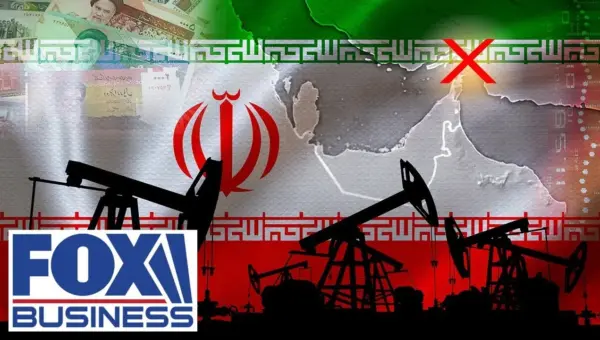
NY Fed Warns Oil Shock May Boost Inflation, Slow Economy
New York Fed President John Williams warned that rising oil prices, fueled by the Iran conflict, could increase inflation and slow economic growth. While jobless claims fell, the Fed is watching for broader economic impacts and maintaining its 2% inflation target.
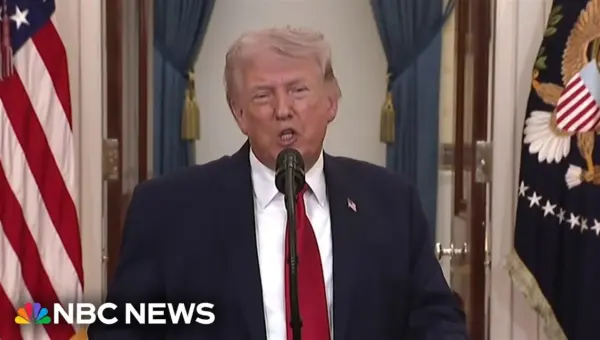
Trump Addresses War with Iran, Offers Few Details on Exit
President Trump addressed the nation regarding the ongoing war with Iran, offering praise for U.S. military actions but providing few concrete details on an exit strategy. He reiterated threats against Iran's civilian infrastructure and placed responsibility for securing the Strait of Hormuz on allied nations, while market indicators show continued oil price volatility.


Germany Reverses Refugee Policy, Shifting Political Landscape
Germany is reversing its decade-old open-door refugee policy, aiming to send hundreds of thousands of Syrian refugees home. This decision by the ruling Christian Democrats aims to recapture anti-immigrant votes and reshape the country's fractured political landscape.