Iran War Fuels Fed Caution, Rate Cuts Uncertain
Geopolitical tensions in Iran are fueling Federal Reserve caution, pushing back expectations for interest rate cuts. Inflation concerns and the dual impact on economic growth and price stability complicate the Fed's decision-making. Investors face a period of prolonged higher borrowing costs.

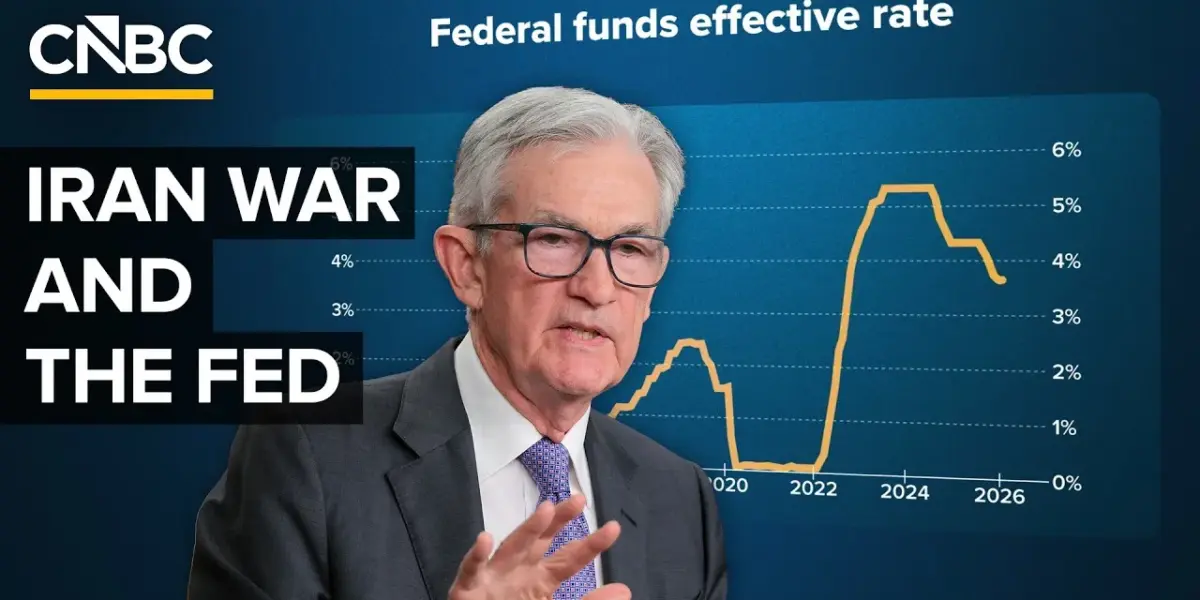
Global Unrest Triggers Federal Reserve Hesitation on Rate Cuts
The Federal Reserve entered the year with a cautious outlook on the economy. Recent geopolitical events, particularly the conflict in Iran, are amplifying this concern, making future interest rate decisions more complex.
Inflation has remained stubbornly high for some time. The path to lowering it is not entirely clear, leading the Fed to hold steady on interest rates for now. While no rate cuts are expected at the upcoming meeting, the Fed will offer insights into its thinking regarding the significant price and energy shocks impacting the economy.
Fed Weighs Inflation vs. Unemployment Amidst Global Tensions
The Federal Reserve is analyzing the situation in Iran from two key angles: inflation and unemployment. The uncertainty surrounding how these two factors will balance out provides a strong reason for the Fed to adopt a ‘wait-and-see’ approach.
Currently, the Federal Reserve’s benchmark interest rate stands between 3.5% and 3.75%. This range is not historically high and represents a relatively neutral stance, meaning it is not significantly hindering business activity.
Americans hoping for lower borrowing costs on mortgages, credit cards, and auto loans may face disappointment. Concerns over the conflict in Iran have contributed to rising expectations for inflation in the coming years. This has, in turn, pushed the 10-year Treasury yield higher. This key interest rate serves as a benchmark for many consumer loans.
Even if the Fed signals potential rate cuts, these other borrowing costs might remain steady or even increase. This scenario has occurred before and could repeat itself.
Lessons from Past Energy Shocks
This Federal Reserve has navigated major energy price surges previously. In 2022, following Russia’s invasion of Ukraine, oil prices climbed significantly higher than current levels. At that time, the Fed expressed considerable worry about the inflationary impact.
The spike in prices for crude oil and other raw materials caused by the Ukraine conflict placed additional upward pressure on inflation. Generally, the Fed focuses on ‘core PCE’ (Personal Consumption Expenditures) to measure inflation. This metric excludes volatile food and energy prices because they can fluctuate rapidly.
However, recent data showed that this core PCE measure was surprisingly high. In fact, it was higher than the overall PCE inflation reading. This indicated that at the start of the year, services within the economy were becoming more expensive, even as energy prices were falling.
Despite its usual practice of looking past energy price swings, the Fed is likely concerned about this trend. This is especially true given the broader economic backdrop and the fact that inflation remains above the Fed’s 2% target.
Future Rate Cut Outlook Remains Unclear
The Federal Reserve will soon release its economic forecasts. Current projections suggest a possibility of one to three interest rate cuts later this year. However, if the Fed’s concerns about the economic outlook intensify, these planned reductions could be withdrawn.
There have been discussions about potential leadership changes at the Fed. Kevin Warsh, a former Fed governor, has previously suggested that the Fed should disregard energy price fluctuations when making policy decisions. It remains to be seen if such views are gaining traction within the central bank.
Warsh’s approach differs from that of current Fed Chair Jerome Powell. Warsh might advocate for quicker interest rate cuts, whereas Powell has been in a public debate with the president regarding the timing and pace of rate reductions.
Senate Confirmation Process Faces Hurdles
The confirmation of any new Fed nominee, including Warsh, faces significant challenges in the Senate. A key obstacle involves Republican opposition, notably from Senator Thom Tillis. He has stated he will not support Fed nominees until a criminal investigation into the current Fed and Chair Powell is dropped.
This political standoff makes it difficult for the Senate to move forward with any Fed appointments. Consequently, the timeline for resolving these leadership questions and clarifying the Fed’s future direction is currently uncertain.
Market Impact
The Federal Reserve’s cautious stance, driven by geopolitical events and persistent inflation, means interest rates are likely to stay elevated for longer than many anticipated. This impacts borrowing costs for consumers and businesses. The rise in the 10-year Treasury yield, a key indicator, reinforces this trend. Investors should monitor inflation data and Fed communications closely for clues on the future path of monetary policy. The uncertainty surrounding Fed leadership adds another layer of complexity for market participants.
What Investors Should Know
Investors should prepare for a potentially longer period of higher interest rates. The Fed’s focus on sticky inflation and global instability suggests that rate cuts are not imminent. The 10-year Treasury yield’s upward movement is a signal that borrowing costs may not decrease soon. Keep an eye on upcoming economic reports and Fed statements for any shifts in tone or policy direction. The ongoing political situation regarding Fed nominations could also introduce market volatility.
Source: How Iran Strikes Affect The Fed’s Rate Decision (YouTube)

Related Articles

Iran’s Missile Threat Reduced by 90%, Analyst Says
An analyst reports that Operation Epic Fury has degraded Iran's missile launchers by 90%, despite challenges in targeting hidden sites. The conflict's duration and media coverage are also discussed, with implications for global energy markets and investor confidence.


US Official Claims Iran War Could End Soon; Expert Skeptical
Despite US envoy Steve Woff's optimism about imminent talks and a swift end to the conflict with Iran, expert Aaron David Miller expresses significant doubt. Miller argues that a lack of shared urgency and fundamental miscalculations by the US administration make a quick resolution unlikely.

US Weighs Shifting Ukraine Weapons to Iran Amid Missile Shortage
The U.S. is reportedly considering diverting weapons destined for Ukraine to support operations against Iran, driven by rapidly depleted missile stocks. This potential shift raises concerns about Ukraine's defense capabilities and highlights the complex interplay between global conflicts.