Iran War Exceeds Expectations: Longer, Wider Conflict Looms
The war with Iran is proving to be a longer and wider conflict than initially expected, characterized by persistent Iranian drone and missile attacks on U.S. assets and allies. Despite U.S. military operations being ahead of schedule, President Trump suggests the war could last a month or more, as economic repercussions mount and conflicting justifications emerge from Washington.

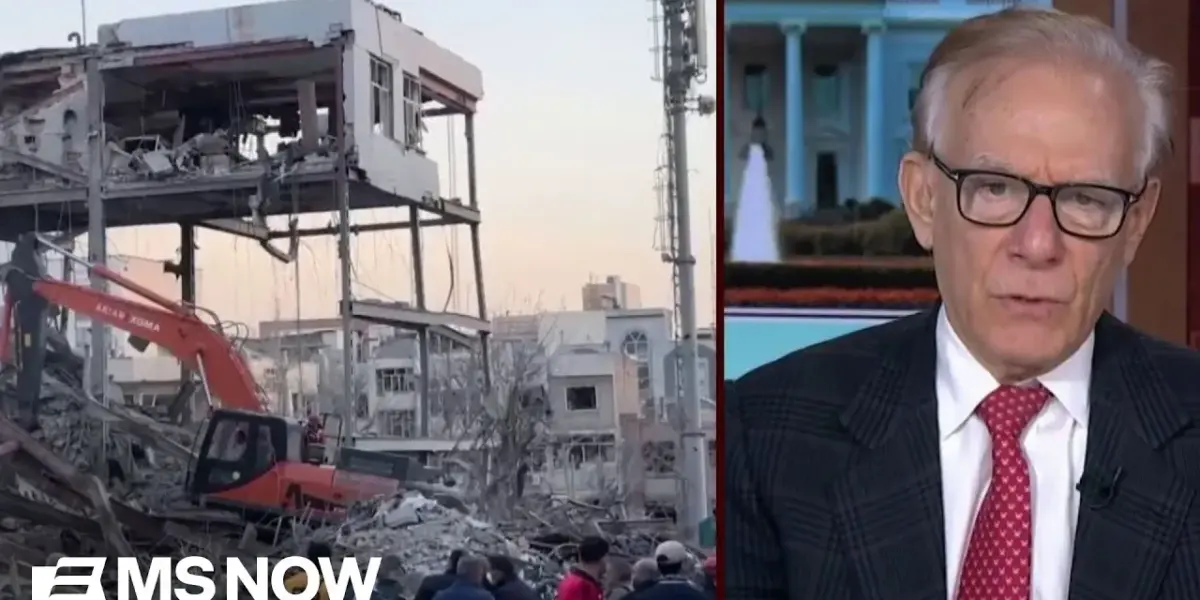
Iran Conflict Escalates Beyond Initial Projections
The ongoing conflict involving Iran has rapidly expanded, becoming a more protracted and widespread engagement than initially anticipated by military planners and observers. As the United States continues its military operations against Iranian targets, the situation on the ground indicates a sustained and complex struggle, with significant regional implications. Recent reports highlight Iranian drone and missile attacks targeting American assets and allied nations, underscoring the escalating tensions in the Middle East.
US Embassy Targeted Amidst Escalating Hostilities
In a stark demonstration of Iran’s reach, the U.S. Embassy in Riyadh was reportedly struck by drones, causing fire and damage to the building. This incident occurred as the United States pressed forward with its strikes inside Iran. The situation is further complicated by Iranian claims of over 160 children killed in a strike on a girls’ school during the early stages of the war. The U.S. has stated it does not deliberately target schools and has initiated an investigation into the incident. The exchange of fire remains intense, with the U.S. military announcing the death of a sixth service member in action.
President Trump Acknowledges Extended War Timeline
Speaking at a Medal of Honor ceremony, President Trump indicated that operations against Iran are ahead of schedule but cautioned that the conflict could extend for a month or more. “We have the strongest and most powerful by far military in the world, and we will easily prevail,” Trump stated. “We’re already substantially ahead of our time projections, but whatever the time is, it’s okay. Whatever it takes, we will always… we have capability to go far longer than that.” This acknowledgment signals a shift from expectations of a swift resolution to a more prolonged engagement.
Iran’s Resistance Defies Swift Resolution Strategy
Contrary to initial assessments that might have framed the conflict similarly to less entrenched scenarios, Iran’s protracted resistance suggests a deeper, more strategic approach. “This is not another Venezuela,” a commentator noted, emphasizing Iran’s regime, in power since 1979, possesses significant infrastructure and a determination to fight. Reports indicate Iran is utilizing drone and missile attacks to harass and exhaust American allies across the region, while conserving its more potent missile capabilities for later stages. This tactic has already impacted Saudi Arabia and the UAE, suggesting a broader regional impact than initially foreseen.
Economic Repercussions Mount as Strait of Hormuz Faces Blockade
The economic ramifications of the prolonged conflict are becoming increasingly apparent. The Strait of Hormuz, a critical chokepoint for global oil transit, has been effectively shut down, severely hindering the flow of oil. Attacks on oil facilities in Gutdar and Saudi Arabia further exacerbate the situation, driving up global energy prices and disrupting supply chains. The United Arab Emirates, a major global hub, has reported significant disruptions to air traffic, creating confusion and urgency for those seeking to evacuate the region.
Conflicting Justifications Emerge from U.S. Officials
Amidst the escalating conflict, public statements from U.S. officials have presented a complex and sometimes contradictory narrative regarding the justifications for military action. One particularly striking assertion, attributed to Senator Marco Rubio, suggested the U.S. was compelled to attack Iran because Israel was on the verge of launching its own strike. This justification, along with previous claims about imminent nuclear threats and impending attacks on the U.S., has been met with skepticism and appears to be shifting as the war progresses. The lack of a settled, clear justification has raised questions about the administration’s strategy and transparency.
Geographical Challenges and the Prospect of Ground Invasion
The rugged, mountainous, and spread-out geography of Iran presents significant challenges for any potential ground invasion. Experts suggest that the idea of a large-scale boots-on-the-ground operation is unrealistic and that U.S. commanders would be unlikely to pursue such a strategy. While special forces operations in specific areas might be feasible, the overall campaign is expected to be difficult. The Iranian leadership, viewing themselves as revolutionaries and the U.S. as a long-standing adversary since 1979, are prepared for a protracted fight, making the anticipated war a reality after decades of tension.
Regional Stability Concerns and Broader Implications
Concerns are also rising about the potential for the conflict to spread to other Shia-populated areas, citing past incidents of riots in India and Pakistan following the assassination of Ayatollah Khomeini. While the immediate focus remains on the direct confrontation, the broader implications for regional stability and the potential for wider sectarian unrest are being closely monitored by governments worldwide. The war, which many had anticipated, feared, and awaited for nearly five decades, is now a tangible reality, with Iran fighting back with considerable force. The ultimate goal of changing the Middle East may remain, but the cost and justification for U.S. involvement are increasingly murky.
Looking Ahead: What to Watch Next
As the conflict deepens, attention will likely focus on the sustained Iranian resistance, the economic fallout from the Strait of Hormuz blockade, and the evolving justifications offered by U.S. officials. The potential for regional escalation and the long-term strategic objectives of both sides will be critical factors to monitor in the coming weeks and months.
Source: David Ignatius: A longer, wider war than was expected (YouTube)

Related Articles


Oil Surges Past $80, Fueling Inflation Fears, Rate Cut Delays
Escalating geopolitical tensions have pushed oil prices above $80 per barrel and natural gas prices up by 30%, sparking inflation concerns. This could delay anticipated interest rate cuts, leading to falling bond prices, rising yields, and increased government borrowing costs, all while pressuring stock markets.


Trump’s Health Declines Amidst War: A Nation’s Concern
Concerns are mounting over Donald Trump's physical and cognitive health amidst escalating international conflict. Observers point to visible signs of deterioration and erratic public statements, raising questions about his fitness for leadership during critical times.


Trump Faces MAGA Backlash Over Iran War Stance
President Trump is facing internal backlash from key MAGA figures over the rationale behind the strikes on Iran. Critics cite confusing messaging and a disconnect with base priorities like the economy and the Epstein case. This dissent comes as analysts note falling Republican enthusiasm and potential Democratic gains with young male and Latino voters.