Iran War Escalation: Officials Say ‘Escalate to De-escalate’
U.S. officials are defending a strategy of 'escalating to de-escalate' in the Iran conflict, aiming to dismantle Iran's military capabilities. Critics warn this approach mirrors past failures like Vietnam and Afghanistan, pointing to rising prices and regional instability as evidence the war is spiraling.


US Policy on Iran War Sparks Debate: Escalation for Peace?
Washington, D.C. – Amidst escalating tensions in the Middle East, U.S. officials are employing a controversial strategy in the conflict with Iran, suggesting that increasing military action may be necessary to ultimately bring about de-escalation and achieve core U.S. objectives. This approach, articulated as ‘sometimes you have to escalate to de-escalate,’ is drawing sharp criticism and raising concerns about the potential for wider conflict and economic instability.
Defining the War’s Goals
The stated goals of the current U.S. military engagement in the region are ambitious and far-reaching. According to administration statements, the objectives include the complete destruction of Iran’s air force and navy. Furthermore, the U.S. aims to dismantle Iran’s missile capabilities and its ability to rebuild them. A key priority is also preventing Iran from acquiring nuclear weapons and curbing its international influence and power projection.
Presidential directives emphasize a commitment to achieving these goals through any necessary means. This unwavering stance suggests a long-term strategic vision, even as immediate circumstances appear volatile. The administration maintains that these actions are crucial for regional stability and U.S. national security interests.
Concerns Over Spiraling Conflict and Economic Impact
However, the strategy is facing intense scrutiny. Critics point to a growing list of alarming developments that suggest the conflict is spiraling out of control. Millions of Americans are already experiencing rising prices, directly linked to the instability in oil markets. The recent outbreak of war between Israel and Lebanon, along with continued attacks on oil assets belonging to U.S. allies in the region, paints a grim picture.
The lack of a clear end in sight to these hostilities is a major point of concern. Treasury Secretary’s recent remarks, echoing the ‘escalate to de-escalate’ sentiment, have drawn comparisons to historical conflicts. Critics argue that this approach mirrors the justifications used during the Vietnam War and the prolonged mismanagement of the war in Afghanistan.
“The Secretary of Treasury just said, ‘We’re going to escalate in order to deescalate.’ It’s like they’ve never read a history book. That’s exactly what our war leaders said in the middle of Vietnam and the 20 years of mismanagement in Afghanistan.”
This perspective suggests a deep-seated skepticism about the administration’s chosen path. The argument is that such a strategy has historically led to prolonged conflict and unintended consequences, rather than the desired de-escalation.
Calls for an End to Hostilities
Opponents of the current policy are calling for an immediate end to the war. They argue that the only effective way to address the rising cost of living in the United States and to foster peace in the Middle East is through a complete withdrawal and cessation of hostilities. This viewpoint emphasizes diplomacy and de-escalation as the primary tools for resolving the conflict.
The debate highlights a fundamental disagreement on how to best achieve U.S. foreign policy objectives. While the administration believes strategic escalation is a necessary precursor to peace, critics contend that such a path risks further entanglement and exacerbates the very problems it seeks to solve. The economic fallout, felt acutely by American consumers, adds a layer of urgency to the calls for a change in strategy.
Looking Ahead: The Path to Peace or Further Conflict?
As the situation in the Middle East continues to evolve, the effectiveness and wisdom of the ‘escalate to de-escalate’ strategy will be closely watched. The coming weeks and months will likely reveal whether this approach leads to the intended de-escalation or further entangles the U.S. in a protracted and costly conflict. Public and political pressure for a resolution that stabilizes the region and eases economic burdens is expected to grow, demanding clear answers and a demonstrable path towards peace.
Source: Bessent on Iran war: 'sometimes you have to escalate to de-escalate' (YouTube)

Related Articles

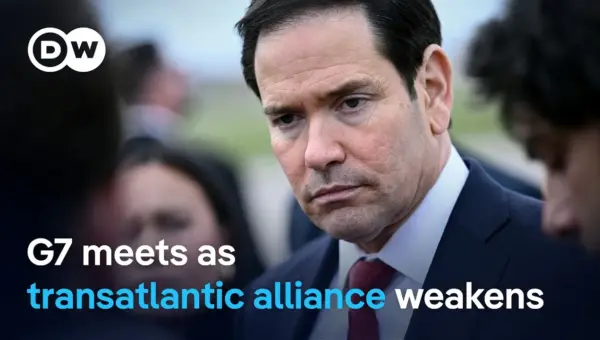
G7 Allies Clash Over Iran War Strategy, Urge Focus on Russia
G7 foreign ministers met in Paris, revealing deep divisions over the U.S. war with Iran. European allies urged the U.S. to pressure Russia, linking its actions to the conflict and fearing support for Ukraine will wane.

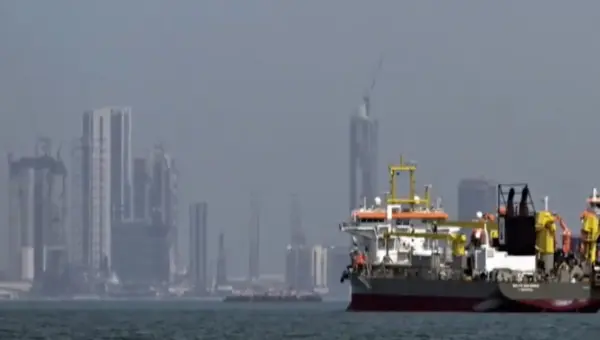
Iran Blocks China Ships, Exposing Beijing’s Weak Grip
Iran's recent decision to block Chinese ships at the Strait of Hormuz is exposing the limits of Beijing's influence in the Middle East. This action is causing delays and cancellations for Chinese manufacturers, turning a perceived geopolitical win into an economic strain.
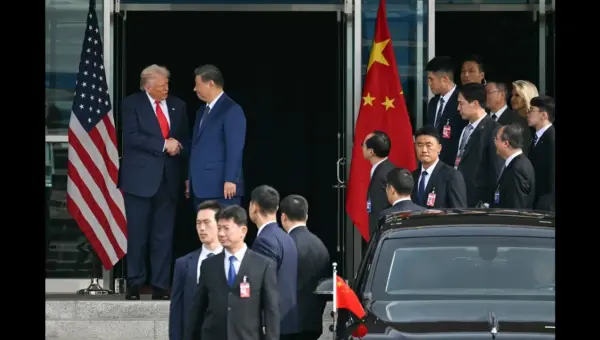
Trump’s “Walk Away” Tactic Signals Tougher Stance on China
Retired Air Force Brigadier General David Stillwell believes President Trump's strategy of being willing to walk away from negotiations puts pressure on China. This tactic, combined with US global actions and strengthened alliances, signals a more assertive American foreign policy.