Iran War Escalates: US Troops May Deploy as Russia, China Back Tehran
Retired General Wesley Clark warns that the ongoing conflict in Iran could lead to U.S. troop deployment. Russia and China are increasing support for Iran, complicating the geopolitical landscape. The Strait of Hormuz remains a critical flashpoint with global economic implications.

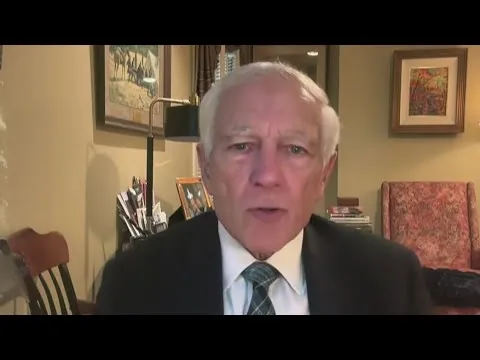
Iran War Escalates: US Troops May Deploy as Russia, China Back Tehran
The ongoing conflict involving Iran is raising serious questions about the potential for American troops to be sent into combat. Retired General Wesley Clark, former Supreme Allied Commander of NATO, suggests that the longer the war continues, the higher the chance of U.S. boots hitting the ground in Iran.
Air Campaigns Alone Aren’t Enough
Clark explains that air strikes, while damaging, may not be enough to achieve a decisive victory. As the air campaign drags on and targets are hit repeatedly, their value decreases. The Iranian regime, he notes, can tolerate pain and has the ability to endure significant punishment.
Striking military targets is one thing. But if the campaign expands to civilian infrastructure like power plants, it doesn’t necessarily move closer to a solution. The clock is ticking, especially concerning the Strait of Hormuz, a crucial waterway for global oil transport. If Iran continues to threaten or close the Strait, the U.S. might feel forced to take direct action to reopen it.
Russia and China Bolster Iran
The longer the war lasts, the more likely it is that Russia and China will increase their support for Iran. Russia sees an opportunity to weaken America and may get more involved. General Clark believes this situation could become a major challenge for Russia, similar to its involvement in Ukraine.
China is playing a more cautious role. While they want to see America humbled and Iran strong, they are not fully committing. However, China could be helping Iran behind the scenes. For example, Chinese satellite photos might be used by the Russians to help target U.S. troops in the region.
Iran’s Resilience and Asymmetric Tactics
Despite effective strikes by the U.S. and Israel, Iran’s ability to respond has not been fully destroyed. There are no clear signs that the Iranian regime is collapsing. While Iran’s nuclear and missile programs have been significantly degraded, the country has a remarkable capacity to withstand attacks.
Iran has spent years studying U.S. and Israeli tactics. They have deep defenses and multiple systems in place. Their command and control structure is spread out, meaning different regional commanders have plans and targets. Even if central command is hit, local leaders know their missions. This makes the regime very determined and not easily swayed by Western thinking.
Some missile launch sites are buried deep within mountains, making them hard to find and destroy. Iran doesn’t need to launch dozens of missiles daily. Just a few well-placed launches targeting key areas can cause significant disruption. This is part of their strategy, an asymmetric approach to warfare.
The Strait of Hormuz: Iran’s Ace in the Hole
Iran’s ability to threaten the Strait of Hormuz is a major threat. Closing this vital shipping lane would not only hurt the United States but also the entire world economy. This puts immense pressure on global stability and energy supplies.
Global Impact and Future Scenarios
This situation highlights a shifting global power balance. The U.S. remains a dominant power, but countries like Russia and China are increasingly challenging that position. The conflict in Iran could become a proxy battleground for these larger geopolitical rivalries.
One future scenario sees the U.S. deploying ground troops, leading to a prolonged and costly conflict. Another possibility is increased Russian and Chinese support for Iran, further complicating the situation. If Iran manages to close the Strait of Hormuz, the global economic fallout could be severe, impacting oil prices and international trade.
Historical Context
The current tensions echo historical patterns of great power competition and regional conflicts. The Strait of Hormuz has long been a strategic chokepoint, and its security has been a major concern for global powers for decades. Past conflicts and diplomatic efforts have often centered on maintaining freedom of navigation in this critical waterway.
Source: The longer Iran war lasts, the greater chance US boots hit the ground: Wesley Clark | Elizabeth Varg (YouTube)

Related Articles


MAGA Voters Divided Over Potential Iran War
The potential for a US war with Iran has sparked debate at CPAC, revealing a divided MAGA base. While some support military action, many express concerns over prolonged conflicts and rising economic costs, particularly higher gas prices.


Iranian-American Comedian Uses Humor to Bridge Divides
Iranian-American comedian Max Amini is using his sold-out shows and growing platform to foster understanding amidst the ongoing war with Iran. He recently made history headlining Madison Square Garden, where he broke his usual silence on politics to address the protests within Iran. Amini aims to bridge cultural divides and challenge misconceptions about his heritage through humor and authentic storytelling.
Pentagon Weighs 10,000 Troops for Iran Showdown
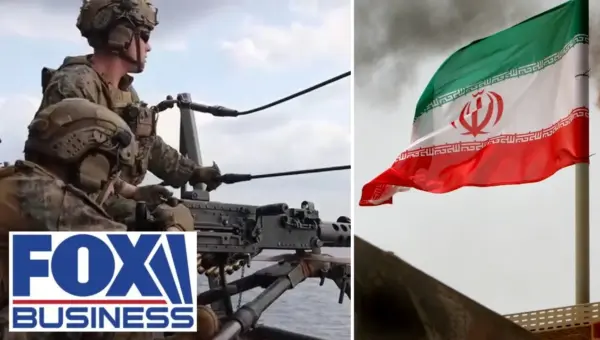
The Pentagon is reportedly weighing a significant troop increase of 10,000 soldiers to the Middle East, potentially escalating tensions with Iran. This move comes amid reports of U.S. precision strikes and interceptions of Iranian missiles by allies, raising concerns about regional stability and global oil supplies.