Iran War Escalates: US Suffers First Casualties
The conflict involving Iran has dramatically escalated with the first confirmed U.S. service member fatalities. As 13 nations become involved, U.S. and Israeli forces intensify operations against Iranian missile sites and command centers. The rising casualties and regional instability raise questions about future U.S. involvement.

The conflict involving Iran has dramatically escalated, marked by an increase in missile and drone attacks, broader international involvement, and, critically, the first confirmed American fatalities. US Central Command announced on March 1st that three U.S. service members were killed in action and five were seriously wounded as part of Operation Epic Fury. Several others sustained minor injuries. This development is expected to intensify domestic pressure on the U.S. administration to reassess its military operations.
Regional Conflict Widens with 13 Nations Involved
The ongoing hostilities have rapidly expanded into a full-scale regional war, with at least 13 countries now directly involved either as targets of Iranian attacks or participants in strikes against Iran. This widespread engagement underscores the complex and volatile nature of the conflict. Iranian strategy appears to focus on wearing down U.S. military capabilities and pressuring regional allies to advocate for de-escalation.
According to reports compiled from open-source intelligence, Iran has launched a significant barrage of munitions in the initial stages of the conflict. In the first 24 hours alone, estimates suggest over 465 Iranian missiles and more than 357 drones were deployed. While some were intercepted, a substantial number reached their targets, resulting in casualties across multiple nations.
Impact on Regional Allies
The ripple effects of the conflict are acutely felt by Iran’s neighbors. The United Arab Emirates reported three deaths and 58 injuries from strikes, while Kuwait confirmed one fatality and 32 injured. Israel also experienced a significant casualty event, with initial reports indicating nine killed and over 20 injured following an Iranian missile impact in Bait Shemesh, though search and rescue operations were ongoing and expected to increase these figures.
“As of 9:30 a.m. Eastern time on March 1st, three US service members have been killed in action and five are seriously wounded as a part of Operation Epic Fury.” – US Central Command Statement
U.S. and Israeli Military Operations Intensify
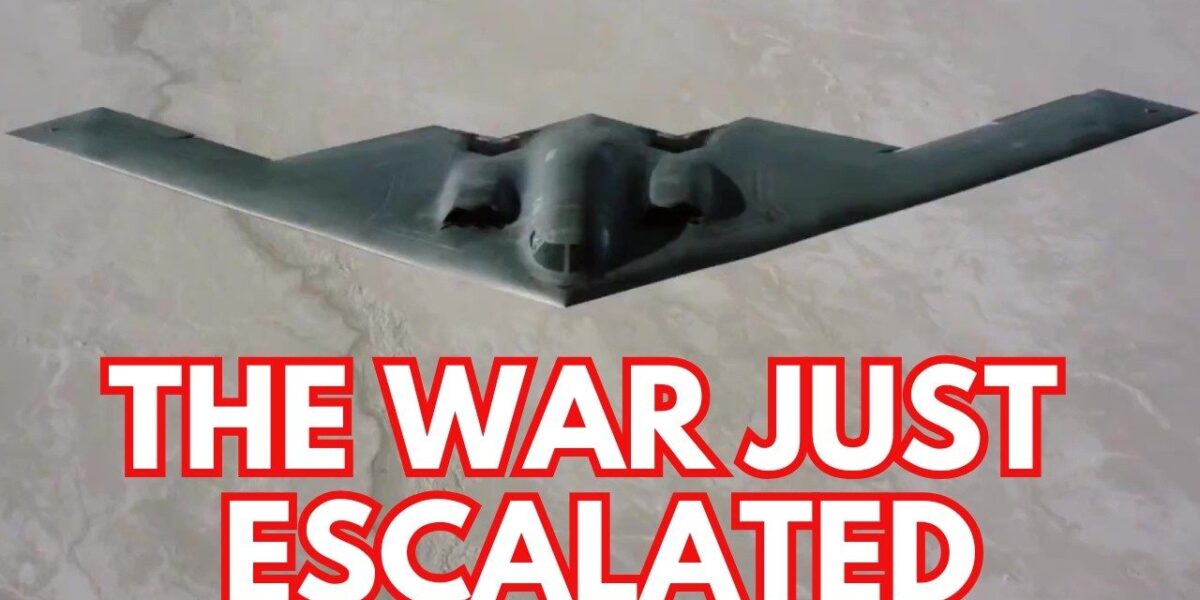
In response, U.S. and Israeli forces have ramped up their operations. Notably, reports indicate the potential use of U.S. B-2 Spirit stealth bombers for strikes deep within Iran. These long-range bombers reportedly flew non-stop from Whitman Air Force Base in Missouri to attack underground ballistic missile sites, demonstrating a significant projection of air power. The focus of these strikes appears to be on missile production and storage facilities, rather than Iran’s nuclear program.
The U.S. military also reported sinking an Iranian Jamaran-class corvette in the Gulf of Oman during the initial phase of Operation Epic Fury, marking a significant naval engagement. Meanwhile, Israel has escalated its actions, reportedly conducting strikes within Tehran for the first time as part of Operation Roar of the Lion. The Israeli Air Force has targeted Iranian air defense systems, missile launch sites, and command and control centers, aiming to degrade Iran’s ability to retaliate.
Targeting Iranian Infrastructure
Israeli defense officials highlighted the destruction of key command centers, including the headquarters of the General Staff for Internal Security and the Thorala headquarters, which served as a defense command center in Tehran. These strikes are aimed at disrupting Iran’s operational capacity and leadership coordination.
Furthermore, Israel has intensified its focus on Iran’s missile production capabilities. Prior to recent escalations, intelligence suggested Iran was aiming to produce approximately 8,000 missiles by 2027, with a monthly production rate of dozens of ballistic missiles. Israeli operations, including a previous operation codenamed Rising Lion, have reportedly reduced Iran’s missile stockpile and production capacity.
Iran’s Strategic Messaging and Responses
Iranian officials have sought to frame their actions as defensive, stating that attacks are directed at bases used by the U.S. in regional countries, effectively considering them U.S. soil. However, evidence suggests that Iranian munitions have impacted civilian areas and airports in several Middle Eastern nations, potentially complicating diplomatic efforts and alienating regional partners.
The Iranian Foreign Minister indicated that military units are operating independently under general directives, suggesting a decentralized command structure designed to make disruption more difficult following the reported killing of key leadership figures like Ali Khamenei. This decentralized approach could lead to a sustained level of attacks, even if top leadership is targeted.
Irregular Responses and Naval Incidents
Beyond conventional military actions, Iran has engaged in irregular responses, including alleged attacks on embassies and consulates. Protests erupted at the U.S. consulate in Karachi, Pakistan, following the announcement of Khamenei’s death, reportedly leading to an exchange of fire where nine protesters were killed and 20 wounded. Similar protests occurred at the U.S. embassy in Baghdad.
Iran also claimed to have targeted the U.S. aircraft carrier USS Abraham Lincoln with ballistic missiles. U.S. Central Command denied the claim, stating the missiles did not come close and the carrier continued its operations. This exchange suggests Iran’s intent to strike high-value naval assets, even if unsuccessful.
The conflict has also impacted maritime traffic in the Strait of Hormuz. A Palau-flagged oil tanker, the Skylight, identified as being used in Iran’s shadow fleet, was hit off the coast of Oman. While no fatalities were reported, several crew members were injured. This incident, along with potential other tanker attacks, has led major logistics companies to pause or slow transit through the critical waterway, impacting global oil supply routes.
Looking Ahead: Domestic Pressure and Future Operations
The confirmation of American casualties is poised to significantly influence domestic U.S. political discourse. The loss of service members often marks a critical threshold in public opinion, potentially increasing calls for de-escalation or withdrawal. Conversely, proponents of a robust intervention may argue for continued action to achieve objectives such as regime change or dismantling Iran’s nuclear program.
Analysts suggest that President Trump may consider declaring victory and withdrawing, particularly given the high-profile nature of U.S. losses and the successful targeting of key Iranian figures and infrastructure. The coming hours and days will be crucial in determining the immediate trajectory of the conflict, with ongoing strikes expected from all sides. Particular attention will be paid to Iran’s continued missile launches, their targeting strategy, and the potential for further attacks on civilian infrastructure or naval assets.
Source: First US Losses Confirmed as Iran War Spreads (YouTube)

Related Articles

Geopolitical Turmoil Bolsters Bitcoin Amidst ETF Inflows
Geopolitical tensions and strong Bitcoin ETF inflows are creating a resilient market. Analysts point to exhausted sellers and the potential for capital rotation into crypto, while regulatory clarity on the Clarity Act could unlock significant institutional investment.

Trump Threatens “Unseen” Force on Iran After Leader’s Death
Following the assassination of Supreme Leader Ayatollah Ali Khamenei, U.S. President Donald Trump has vowed to unleash unprecedented force on Iran. While outlining ambitious goals including regime change, experts express skepticism about the effectiveness of airstrikes and the potential for popular uprising against a resilient Iranian government.

Senator Coons Questions Trump’s Iran Strategy After Troop Deaths
Senator Chris Coons has sharply criticized President Trump's strategy in Iran following the deaths of three U.S. service members. Coons questioned the intelligence regarding Iran's nuclear proximity and the lack of clear strategy and congressional debate for the "war of choice."