Iran War Escalates: US Strikes Deepen, Global Concern Mounts
The war between the U.S. and Iran has escalated into its fourth day, marked by intensifying regional attacks and growing international concern. Reports from the ground detail civilian impact within Iran, while U.S. officials grapple with shifting justifications for the strikes amidst congressional debate.

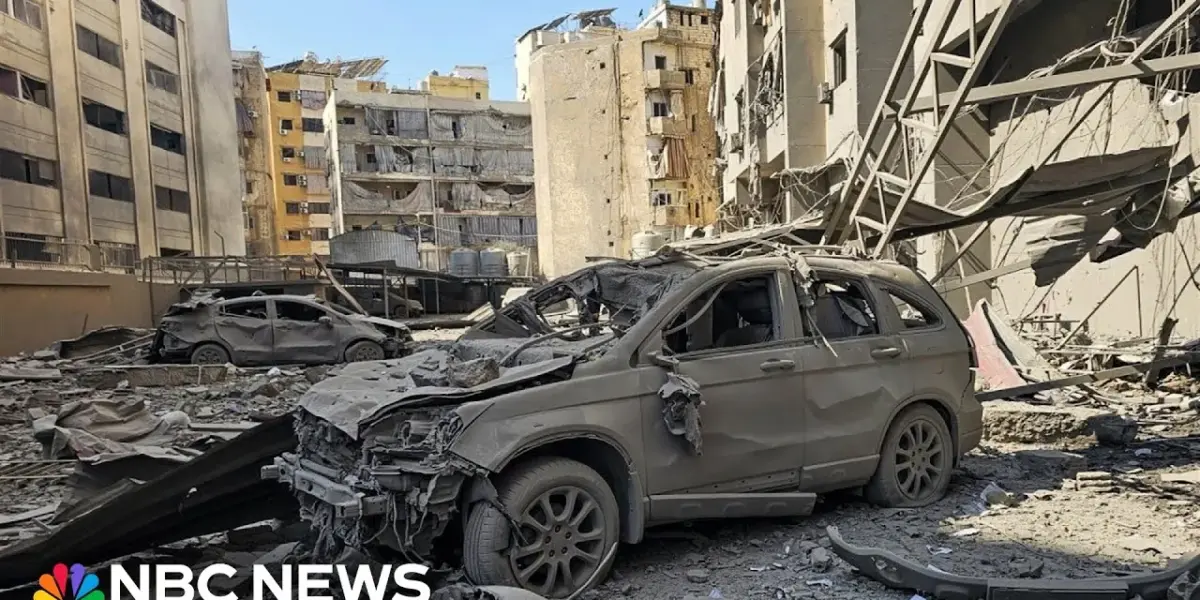
Middle East Engulfed as Iran Conflict Enters Day Four
The war between Iran and the United States, ignited by an American strike on Iranian military targets, has entered its fourth day with no end in sight. Missile and drone attacks are escalating across the region, drawing in neighboring countries and raising international alarm. The conflict, which began after Iran was reportedly attacked, has seen a significant response from Tehran, with attacks targeting U.S. interests and allies.
Israel on High Alert Amid Regional Metastasis
In Israel, the nation’s emergency services are operating at a heightened state of readiness. Matt Bradley, NBC News International Correspondent, reported from a state-of-the-art Magen David Adom nerve center, describing a facility built with American donations and equipped with heavy blast doors, operating approximately 100 feet underground. “This place can survive just about anything that anybody throws at it,” Bradley stated. Despite the advanced defenses, missile alerts have been frequent, indicating that Iranian retaliation is ongoing.
The conflict’s reach has extended beyond Israel, with reports of drone attacks targeting the U.S. Embassy in Riyadh, Saudi Arabia. Similar incidents have been reported in Bahrain, Kuwait, and the United Arab Emirates. “We’re seeing a real metastasizing of this conflict, which is exactly what people were warning about if Iran got attacked,” Bradley observed.
Inside Iran: Civilian Impact and Political Uncertainty
From within Iran, Matt Bodner, NBC News Reporter, painted a harrowing picture for civilians. “Accounts of that first day of the U.S. bombing campaign paint a chaotic and harrowing picture for civilians, in particular, the city covered in smoke, residents sitting in their homes at night wondering where the next round of strikes will fall,” Bodner reported. Many military targets, including police stations, are located near residential areas, leading to widespread fear among the population.
Reports indicate that city roads were jammed with traffic as residents attempted to flee to safer regions. Hospitals in the northwest of Tehran were filled with injured civilians and militia members. While the situation on the ground is reportedly quieter, public emotions are mixed, with significant concern about the country’s future leadership and national integrity. The economic impact is also a major concern, with rising prices and the potential for widespread economic struggle as people deplete their savings.
Succession Questions Loom Over Iran’s Leadership
The death of the Ayatollah has created a vacuum in Iran’s leadership, with attention now turning to the Assembly of Experts, the body responsible for choosing the Supreme Leader’s successor. This 88-member panel, comprised mainly of religious clerics, is mandated by the constitution to convene as quickly as possible. However, Bodner noted a potential deterrent to a swift public appointment: “There is a deterrent to the Iranians moving too quickly on appointing, or at least officially, publicly, a new Supreme Leader. And that would be to stop the United States from potentially immediately targeting that replacement.”
Figures such as Ali Reza Ashrafi, appointed to lead a temporary transitional council, are being closely watched. The process is further complicated by the significant losses to the regime’s senior leadership in the initial strikes.
US Citizens Stranded, Evacuation Challenges
The U.S. State Department has not issued widespread evacuation orders for its citizens in affected regions, leading to difficult situations for many Americans. Matt Bradley highlighted the case of a young man stranded in Doha after his flight was diverted. While Israel has robust civil defense measures, including mandatory bomb shelters in nearly every building, other countries in the Gulf region are facing significant incoming fire from Iran. Bradley stated, “The safest place you are in the Middle East isn’t going to be dependent on where you actually are, but the means of protection that is available.”
Military Strategy and Shifting Justifications
Retired Colonel Peter Mansoor provided insights into the military strategy, suggesting that the conflict could last from 4 to 6 weeks, dictated by the timeline of targeting specific Iranian assets. “When this conflict ends isn’t up to us. It’s up to the Iranians,” Mansoor stated. He confirmed that Iranian military forces have been severely weakened, with the U.S. and Israel owning the skies over Iran, allowing for extensive bombing of missile depots and drone storage facilities.
However, Iran is reportedly holding back some munitions to prolong the conflict and weaken the resolve of the U.S. and Israel. The justifications for the U.S. military operation have also seen some evolution. While initially framed around grave threats posed by Iran’s ballistic missile program and pursuit of nuclear weapons, Secretary of State Marco Rubio suggested that the U.S. acted preemptively to avoid higher casualties when Iran inevitably retaliated against Israel’s actions.
Congressional Debate and War Powers Resolution
In Washington, the administration’s actions have sparked debate along party lines. Democrats have criticized the operation as a “war of choice” and questioned the objectives and strategy, while Republicans have largely aligned with the administration. Senator Mark Warner argued that the threat was to Israel, not directly to the U.S., placing the situation in “uncharted territory” if a threat to an ally is equated to an imminent threat to America.
A War Powers Resolution is expected to be voted on this week, which, if passed, would require congressional approval for further military action. However, its passage faces an uphill battle given Republican control of both the House and Senate.
Looking Ahead: An Uncertain Future
As the conflict intensifies, the international community watches with bated breath. The long-term stability of Iran, the potential for wider regional conflict, and the fate of civilians caught in the crossfire remain critical concerns. The coming weeks will be crucial in determining the trajectory of this war and its lasting geopolitical consequences.
Source: This Morning’s Top Headlines – March 3 | Morning News NOW (YouTube)

Related Articles

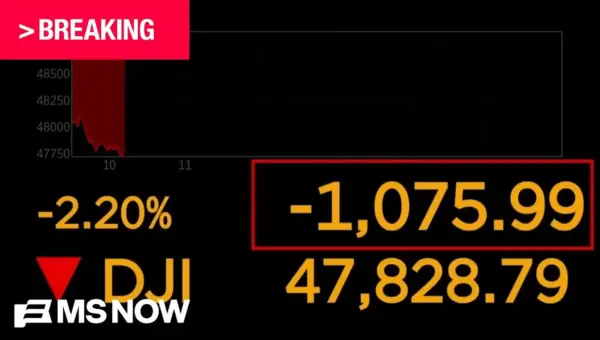
Stocks Plunge as US-Iran Conflict Sparks Market Sell-Off
U.S. stock markets plummeted today as escalating tensions between the U.S. and Iran triggered widespread risk aversion. Major indices saw significant losses, with even safe-haven assets like gold and silver declining. Energy prices, particularly natural gas, surged dramatically.

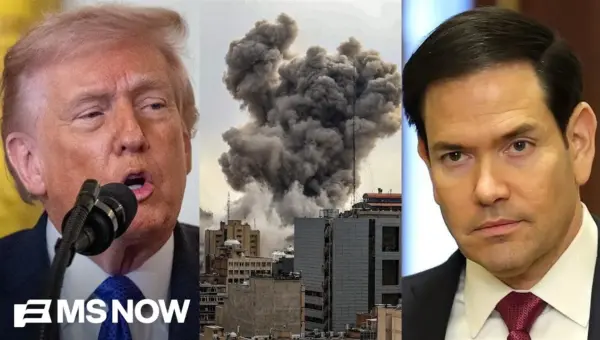
US War Justifications Shift Amidst Escalating Iran Conflict
U.S. justifications for military action against Iran have shifted amidst escalating conflict, drawing criticism and confusion. Reports from Israel detail intense attacks and civilian casualties, while conflicting statements from U.S. officials raise questions about the war's objectives and end state.

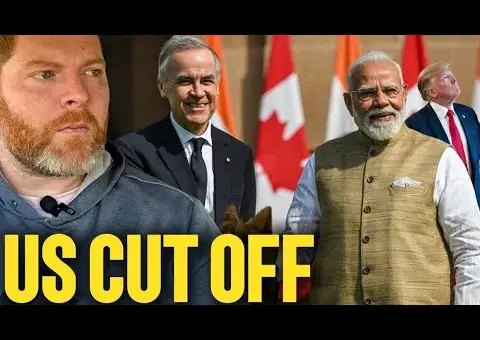
Canada Pivots East, Threatening US Energy Dominance
Canada's strategic pivot towards India, driven by perceived US instability, signals a potential end to American energy dominance. This shift could lead to higher energy costs for Americans and a broader recalibration of global economic power.