Iran War Escalates: US Casualties Mount Amidst Regional Chaos
The conflict with Iran is intensifying, marked by rising U.S. casualties and the closure of the Strait of Hormuz. This escalation carries significant economic repercussions and raises concerns about a wider regional war and even global conflict.

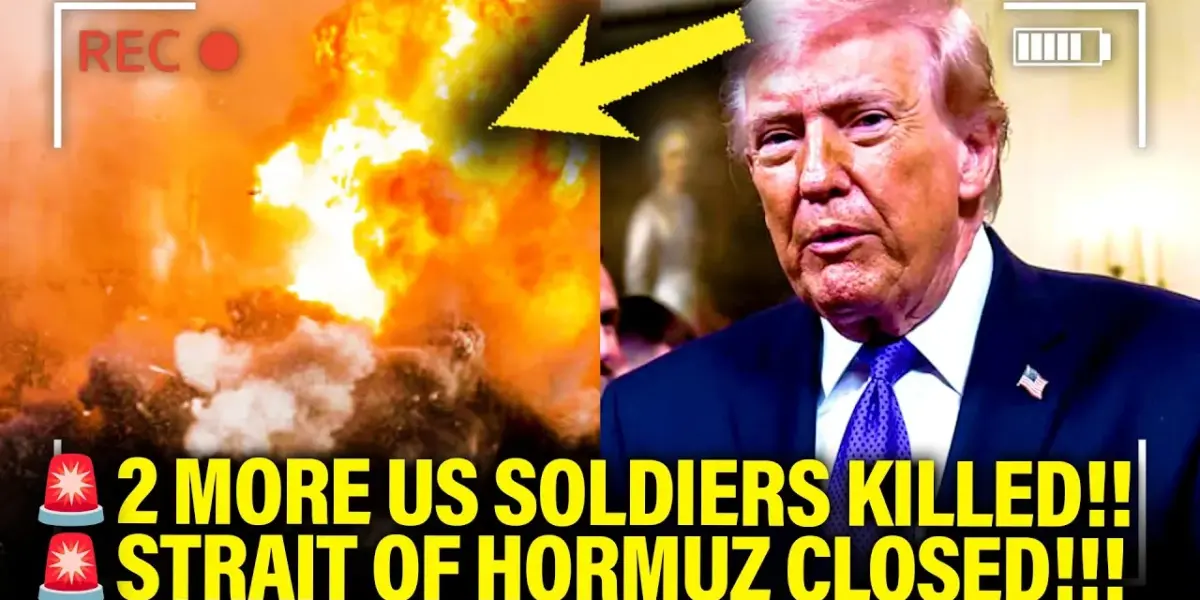
Iran War Escalates: US Casualties Mount Amidst Regional Chaos
The geopolitical landscape is darkening as the conflict involving Iran intensifies, leading to a tragic increase in American casualties and significant regional instability. Recent announcements confirm the deaths of six U.S. service members, with the recovery of two previously unaccounted-for individuals from a facility struck during Iran’s initial attacks. This grim toll underscores the escalating nature of the conflict, which is increasingly described as engulfing the entire Middle East.
Strait of Hormuz Closure and Economic Repercussions
Adding to the escalating crisis, the Strait of Hormuz, a critical global oil transit route, has reportedly been closed by the Iranian Revolutionary Guard Corps. The announcement carries a dire warning: any vessel attempting to pass through the strait will face destruction. Reports of ships being fired upon in the area have already surfaced, leading to a dramatic surge in crude oil prices. This spike is expected to translate into higher gasoline prices for consumers, highlighting the immediate economic impact of the widening war.
Concerns Over Underreported Wounded
Beyond the confirmed fatalities, there are growing concerns that the number of seriously wounded American soldiers is significantly higher than officially reported. This sentiment is echoed by independent reporting and sources reaching out to military and defense officials who have reportedly been unresponsive. The prospect of a potentially unending war for American troops, with an unknown number of casualties, paints a grim picture of the conflict’s trajectory.
Trump’s Reaction and Geopolitical Surprises
Amidst this escalating crisis, former President Donald Trump has expressed surprise at Iran’s attacks on neighboring Arab countries. This assertion is met with skepticism, given that Iran had reportedly issued public and private warnings for months, which had motivated these Arab nations to seek de-escalation. Trump’s focus, as observed in his public statements and social media activity, has often diverged from the war’s realities, leading to criticism that he appears detached from the gravity of the situation. His public appearances have also drawn attention to physical ailments, with his doctor attributing a neck rash to a preventative skin treatment, a claim met with doubt by some observers.
Historical Context: The Iran Nuclear Deal and Its Aftermath
The current conflict can be partly understood within the context of the Trump administration’s withdrawal from the Joint Comprehensive Plan of Action (JCPOA), commonly known as the Iran nuclear deal, in 2018. Trump has publicly taken pride in dismantling the Obama-era agreement, arguing it was a dangerous precursor to Iran obtaining nuclear weapons. However, critics contend that this move, coupled with subsequent sanctions and military actions, has destabilized the region and potentially pushed Iran closer to developing nuclear capabilities, a concern echoed by former Russian President Dmitry Medvedev.
Regional Alliances and Military Strain
The conflict is placing a significant strain on regional allies. Nations like the UAE and Qatar are reportedly facing the rapid depletion of their missile interceptor stocks due to ongoing Iranian strikes, prompting urgent requests for U.S. military support. The financial burden of this escalating conflict, including the cost of military aid and potential resupply efforts, is ultimately expected to fall on taxpayers.
China’s Growing Role and Shifting Alliances
Adding another layer of complexity, China has formally condemned U.S. and Israeli strikes against Iran, asserting Iran’s right to self-defense. This statement signifies a deepening involvement of China in the regional dynamics, potentially aligning with Iran against perceived U.S. aggression. Concurrently, the U.S. faces criticism for withholding promised military aid to Taiwan, a decision reportedly influenced by Trump’s desire to maintain an upcoming state visit with Chinese President Xi Jinping. This situation highlights a potential conflict of interest and a perceived betrayal of an ally.
Diplomatic Efforts and the Path Forward
While the situation remains volatile, diplomatic efforts, however strained, are ongoing. The reported existence of a deal in principle between the U.S. and Iran, mediated by Oman, was undermined by a subsequent U.S. strike. This incident raises questions about the reliability of diplomatic channels and the commitment to de-escalation. The involvement of figures like Melania Trump at the UN Security Council, while symbolic, underscores the high-stakes nature of the current geopolitical climate.
The Specter of World War III
The escalating conflict has fueled anxieties about a potential World War III. Statements from influential figures, including Dmitry Medvedev, have raised alarms about the possibility of a global conflict triggered by the ongoing regional war. The interconnectedness of global powers and the potential for miscalculation create a precarious environment where regional conflicts could rapidly metastasize.
Why This Matters
The escalating war with Iran has profound implications for global security, economic stability, and American foreign policy. The loss of American lives, the potential for a wider regional conflict, and the economic fallout from oil price volatility demand serious consideration. The divergent approaches to diplomacy and conflict resolution, particularly between the current administration and former President Trump’s rhetoric, highlight critical debates about America’s role in the world. The involvement of major global players like China further complicates the situation, suggesting a potential realignment of international alliances and a shift in the global balance of power. Understanding the historical context, the immediate consequences, and the potential future trajectories is crucial for navigating this complex and dangerous period.
Implications, Trends, and Future Outlook
The current trajectory suggests a prolonged period of instability in the Middle East. The potential for Iran to pursue nuclear weapons, coupled with the ongoing proxy conflicts and the involvement of major global powers, points towards a future where regional tensions remain high. The economic impact on global energy markets is likely to persist, influencing inflation and consumer costs worldwide. The trend of increasing U.S. military engagement in the region, without a clear exit strategy, raises concerns about perpetual warfare. The future outlook hinges on the ability of diplomatic channels to de-escalate tensions, the willingness of international actors to engage in constructive dialogue, and the capacity to address the underlying grievances that fuel these conflicts. The potential for miscalculation remains a significant risk, underscoring the need for cautious and strategic leadership on the global stage.
Source: Trump PANICS as WAR WIDENS…2 MORE SOLDIERS KILLED!! (YouTube)

Related Articles
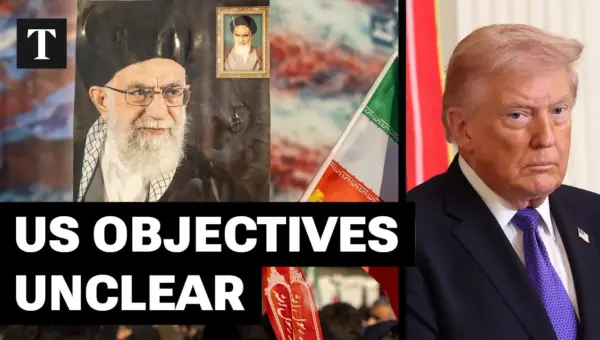
Gulf States Must Act Amid US-Iran Uncertainty, Expert Urges
Gulf states must take a more active role in shaping regional security due to unclear US objectives regarding Iran, argues historian Bader Al-Saif. He stresses the need for comprehensive negotiations involving all regional players and warns against the chaotic consequences of regime change.

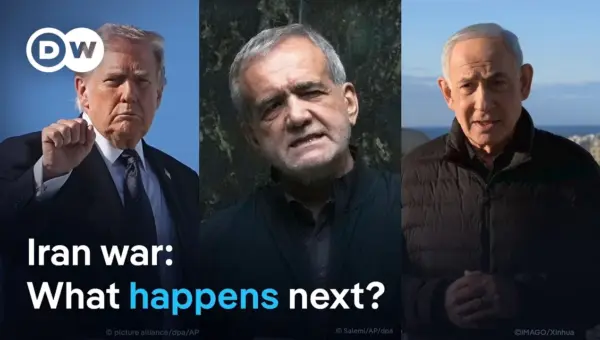
Iran, US, Israel: Analyzing Goals Amidst Escalating Middle East Conflict
As the Middle East teeters on the brink of wider conflict, this analysis delves into the strategic goals and limitations of Iran, the US, and Israel. Iran prioritizes regime survival amidst leadership losses, employing a strategy of attrition through missiles and drones. The US faces unclear objectives and domestic constraints, while Israel focuses on neutralizing Iranian threats and preventing nuclearization.
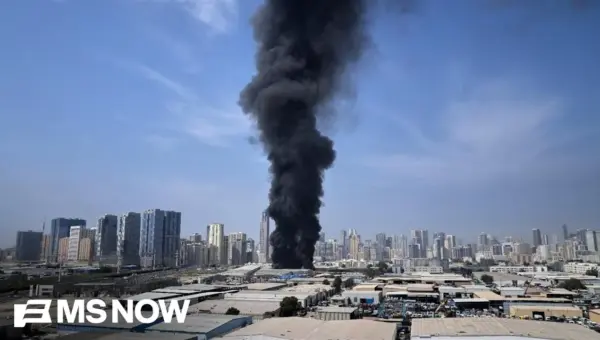
Retired US General Stuck in Dubai Amid Regional Unrest
Retired U.S. Army Major General Randu Manor is among tens of thousands stranded in Dubai following regional unrest. He describes the situation as "surreal" and expresses disappointment with the U.S. government's response compared to allies.