Iran War Escalates: Untold Casualties, Economic Strain, and Shifting Alliances
New reports reveal a starkly higher casualty count in the U.S.-Iran war, alongside staggering military expenditures and escalating regional instability. The conflict's true cost and geopolitical implications are far from transparent.


Iran War Escalates: Untold Casualties, Economic Strain, and Shifting Alliances
As of March 10th, 2026, the conflict between the United States and Iran has reached a critical juncture, with reports indicating a far more devastating human and economic toll than publicly acknowledged. New reporting from Reuters suggests that as many as 150 U.S. troops have been wounded, a figure starkly contrasting with the Pentagon’s official count of just eight seriously injured soldiers. This discrepancy raises serious questions about the transparency surrounding the conflict and the true cost of military engagement.
Escalating Rhetoric and Actions in the Strait of Hormuz
Tensions remain exceptionally high, particularly concerning the Strait of Hormuz, a vital chokepoint for global oil trade. Former President Trump has issued a stark warning, stating that any disruption of oil shipments by Iran would be met with a disproportionately severe U.S. response, aimed at crippling Iran’s ability to rebuild. This aggressive stance is juxtaposed with U.S. intelligence observations indicating Iran’s preparations to deploy mines in the strait, utilizing smaller vessels capable of carrying multiple mines. This strategic move by Iran, as reported by CBS News, signals a determined effort to weaponize its geographic advantage.
The Economic Battlefield
The financial implications of the conflict are staggering. U.S. officials revealed that the Pentagon expended an astonishing $5.66 billion worth of munitions in the initial two days of hostilities. This immense expenditure highlights the intensity and scale of the military operations. The economic fallout is not confined to military spending; it is increasingly impacting global markets and domestic concerns. Reports suggest that advisors to former President Trump are urging him to seek an “exit ramp” from the conflict, acknowledging the growing economic strain and mounting political backlash.
Regional Instability and Shifting Alliances
The conflict’s repercussions extend beyond direct U.S.-Iran engagement. Iran continues its regional provocations, launching missiles and drones that have disrupted critical infrastructure, including a drone strike that forced the halt of operations at a major oil refinery in the United Arab Emirates. This incident, which impacted a facility processing nearly 900,000 barrels of oil daily, underscores the vulnerability of key energy resources in the region. Complicating U.S. diplomatic efforts, Pakistan’s Prime Minister has publicly congratulated Iran’s new supreme leader, signaling a potential realignment of regional allegiances and challenging the U.S. objective of isolating Tehran. Furthermore, large public gatherings in Tehran, showing support for the new leadership, suggest that foreign aggression may be inadvertently bolstering internal unity within Iran, rather than undermining the regime as intended.
Controversial Strikes and Denials
The human cost of the conflict is becoming increasingly apparent, with disturbing evidence emerging from recent strikes. Photos of debris from an attack on a school in Manab, Iran, reportedly killing over 150 children, show markings consistent with U.S.-made Tomahawk missiles. Despite this evidence, Defense Secretary Pete Hgsth has accused Iran of targeting civilian infrastructure, while the administration has not officially acknowledged the U.S. origin of the missiles used in the school attack. This creates a troubling narrative of denial and obfuscation regarding the impact of U.S. military actions on civilian populations.
Missed Opportunities and Desperate Measures
In a revealing turn of events, it has come to light that Ukrainian President Zelenskyy briefed former President Trump in August regarding Iran’s advanced drone technology and proposed a partnership for counter-drone defenses. This offer was reportedly rejected. Now, the very Iranian drones that Ukraine sought to counter are significantly shaping the battlefield, leading to a situation where the U.S. is reportedly seeking assistance from Ukraine. Adding another layer of complexity, Trump envoy Steve Witkoff has revealed direct talks held with a senior advisor to Vladimir Putin concerning the war. While Trump maintains that Putin is willing to help end the conflict, these discussions occur even as Russia is reportedly providing support to Iran.
Questionable Spending and Cultural Commentary
Amidst the high-stakes international conflict, reports of questionable Defense Department spending have surfaced. A watchdog report detailed a staggering $93 billion expenditure in a single month, which included extravagant items such as luxury food, furniture, ice cream machines, donuts, and even a $98,000 grand piano. This raises concerns about fiscal responsibility and priorities during a period of intense military engagement. In a bizarre and attention-grabbing development, a statue depicting Donald Trump and Jeffrey Epstein, styled after the iconic Titanic scene, appeared on the National Mall. Images of this statue have gone viral, adding a peculiar cultural commentary to the ongoing political and military landscape.
Why This Matters
The escalating conflict with Iran presents a multifaceted crisis with profound implications. The discrepancy in reported casualties highlights a potential lack of transparency from military leadership, eroding public trust and hindering a full understanding of the war’s human cost. The economic strain, both in terms of military expenditure and potential disruptions to global energy markets, could have long-lasting consequences for the U.S. and the world economy. Furthermore, the shifting alliances and the apparent strengthening of Iranian internal unity in response to foreign attacks suggest a miscalculation of the conflict’s geopolitical impact. The allegations of U.S. involvement in strikes on civilian targets, coupled with denials, raise serious ethical and legal questions. The missed opportunity to collaborate with Ukraine on drone technology and the reported backchannel talks with Russia add layers of diplomatic intrigue and potential strategic missteps. Finally, the stark contrast between massive military spending and questionable domestic expenditures, alongside the viral cultural commentary, speaks to a broader societal and political disconnect.
Implications, Trends, and Future Outlook
The current trajectory suggests a prolonged and potentially more destructive conflict. The U.S. faces a challenging strategic environment, grappling with an Iran that appears resilient and potentially bolstered by regional support and internal solidarity. The economic costs will likely continue to mount, potentially leading to greater public and political pressure for de-escalation. The trend of shifting geopolitical alliances could redefine regional power dynamics. The future outlook is uncertain, with the potential for further escalation, a protracted stalemate, or a negotiated settlement that may be difficult to achieve given the current animosity and distrust. The effectiveness of U.S. military strategy in the face of Iranian asymmetric tactics and the impact of drone technology will be critical factors to watch.
Historical Context and Background
The current U.S.-Iran tensions are rooted in decades of complex history, including the 1953 coup, the 1979 revolution, the hostage crisis, and subsequent proxy conflicts and sanctions. The Obama administration’s Joint Comprehensive Plan of Action (JCPOA) aimed to curb Iran’s nuclear program, but its withdrawal by the Trump administration in 2018 and the reimposition of sanctions significantly escalated tensions. The assassination of Iranian General Qasem Soleimani in January 2020 further inflamed relations. The current conflict, therefore, represents an escalation within a long-standing, deeply entrenched adversarial relationship, influenced by regional rivalries, global energy politics, and domestic political considerations in both nations.
Source: BREAKING NEWS UPDATES — 3/10/26 — 2:59pm ET (YouTube)

Related Articles
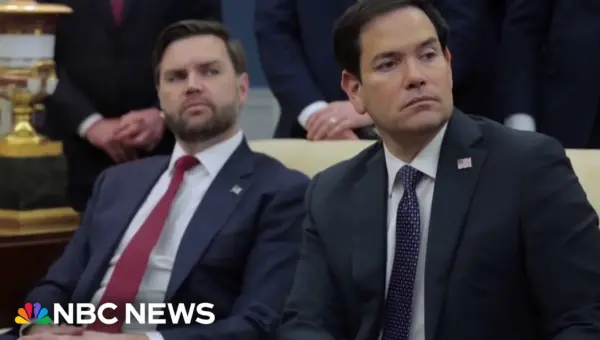
Iran War Boosts Rubio’s Profile Amid 2028 Presidential Race
As the US engages in military action against Iran, Secretary of State Marco Rubio's profile has risen, fueling 2028 presidential speculation. Former President Trump's fundraising poll highlights his focus on succession, while JD Vance remains a strong contender. The duration of the Iran conflict and its impact on public opinion will be key factors.
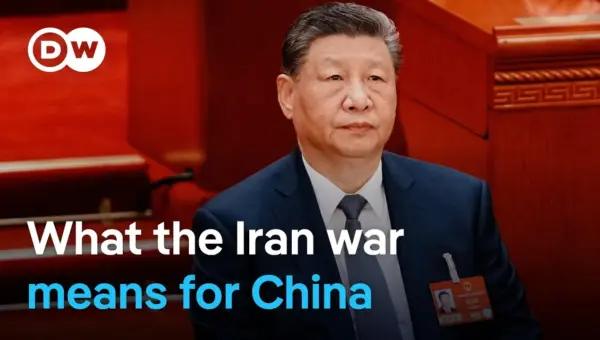
China’s Iran War Stance: Strategic Restraint Amid Global Rivalry
China's subdued response to the Iran war, despite significant economic ties, highlights a strategic approach prioritizing self-interest over alliance obligations. This calculated restraint, analysts suggest, is part of Beijing's long-term strategy to gain global influence by allowing geopolitical rivals to expend resources.


Trump’s Iran Standoff Could Trigger U.S. Recession
Economists warn that Donald Trump's actions in Iran could be the catalyst that officially pushes the U.S. into a recession. This concern arises as many believe the nation is already experiencing recessionary conditions, masked by potentially misleading GDP figures and exacerbated by surging oil prices.