Iran War Escalates: Oil Prices Surge Amidst Shipping Attacks
The Middle East conflict has escalated with Iran targeting international shipping and Hezbollah launching a major rocket attack into Israel. Rising oil prices and concerns over the Strait of Hormuz's security dominate global attention, while a U.S. investigation probes a tragic strike on a school. Military leaders emphasize limited objectives for the ongoing war, but questions remain about its long-term sustainability and impact.

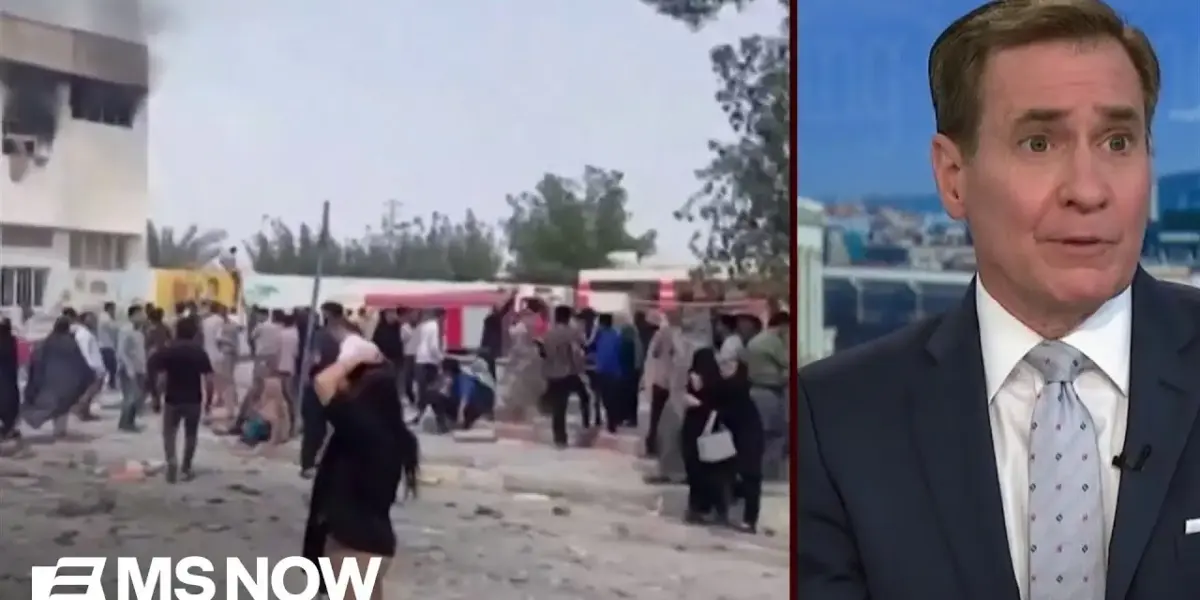
Middle East Conflict Intensifies as Iran Targets Shipping and Israel Prepares for Lebanon Expansion
The ongoing conflict in the Middle East has intensified, with Iran escalating attacks on international shipping and Israel preparing for a potential expansion of military operations into Lebanon. These developments come as Hezbollah launched its largest attack to date, firing approximately 200 rockets into Israel overnight, according to the Israeli military. The volatile situation has sent shockwaves through global energy markets, with oil prices briefly surging above $100 a barrel.
Strait of Hormuz Under Threat: Iran’s Leverage on Global Oil
The Strait of Hormuz, a critical chokepoint for global oil transit, has become a focal point of Iran’s disruptive strategy. In a recent incident, Iran attacked a Thai shipping vessel in the strait, leaving the fate of three crew members uncertain as authorities worked to rescue them from the engine room. This aggressive posture by Iran on shipping traffic and energy infrastructure has directly contributed to the surge in global oil prices. “They understand oil is going to be their weapon even if they don’t have the missiles, even if they’re out of the drones at some point, they have the oil. That’s their point of leverage,” stated a former White House official, highlighting Iran’s strategic use of its energy resources.
The impact on the global economy is significant, with projections of gas prices exceeding $4 per barrel for American consumers. This economic fallout is felt keenly as the world grapples with the instability in the region. The Wall Street Journal reported on the direct correlation between rising oil prices and the downturn in the Dow, illustrating the interconnectedness of geopolitical events and financial markets.
Pentagon Briefing Reveals War Costs and Strategic Goals
In a closed-door briefing to lawmakers, Pentagon officials revealed that the first six days of the war in Iran cost more than $11 billion, according to The New York Times. This substantial expenditure underscores the scale and intensity of the military operations. While the public messaging on the war’s objectives has sometimes appeared mixed, a consistent narrative from military leadership, as described by former White House official retired Rear Admiral John Kirby, focuses on three main goals: Iran’s nuclear ambitions, its ballistic missile program, and its export of terrorism. Kirby noted that the military’s operational goals are often described in “very limited terms,” and that political messaging diverging from these objectives can be confusing for military planners.
“I think that’s what was briefed to the Commander-in-Chief and that’s what the Commander-in-Chief approved. Those are the orders he gave. And that’s what the military… It’s not helpful to the military and leaders in the Pentagon when the political messaging gets so off that script and starts getting into things like regime change and larger goals, because it’s confusing to them.”
This distinction between military objectives and broader political rhetoric has been a point of discussion, with some observers noting that certain political figures may advocate for more limited goals than the administration’s public statements might suggest.
Drones Emerge as a Key Threat in Modern Warfare
The conflict has also highlighted the evolving nature of warfare, with drones playing an increasingly significant role. Admiral Kirby, drawing on his experience, explained that Iran can “shut down the strait through fear alone.” He elaborated on the threat posed by drones, stating, “The drones are a real concern. I think Iran it’s not a lot of searoom for tankers to go in and out and feel safe. And even with convoys, and convoys very expensive, you need a lot of ships to do it depending on the size of your convoy. That’s not necessarily a guaranteed success. Drones can fly low and slow, they can fly they can do a lot of damage even to one ship without the Navy being able to knock it out.”
The proliferation of these relatively inexpensive but potent weapons systems challenges even advanced military technology. The ability to build drones in scale, even in garages, presents a low-cost, high-impact threat that can travel hundreds of miles, posing a significant challenge to naval security and global shipping lanes.
Tragic Mistake: US Strike on School Under Investigation
A particularly tragic development in the conflict involves a U.S. strike on a school, which The New York Times reports resulted in at least 175 deaths, the majority being children. Preliminary findings suggest the strike may have been a U.S. act, based on satellite imagery and social media verification. An analysis by The New York Times indicated that the school was severely damaged by a precision strike occurring around the same time as attacks on a naval base. “It seems to me just from these preliminary findings THAT’S WHAT I THINK IT’S REPORTED BY THE NEW YORK TIMES THAT SOME OF THAT DATA, SOME OF THAT ANALYSIS WAS OUTDATED. THAT THE PARAMETERS OF THE SCHOOL WAS NO LONGER PART OF IT, BUT MAYBE THAT WORD DIDN’T GET PASSED ON,” explained a former White House official.
The Pentagon and CENTCOM are conducting investigations into the incident. While acknowledging the devastating outcome, officials emphasize that no military personnel deliberately target schools or civilian infrastructure. The investigation is reportedly focusing on whether outdated or flawed intelligence contributed to the strike. The incident has raised questions about accountability and the accuracy of targeting data in complex military operations.
Looking Ahead: Sustaining Operations and Defining Victory
As the conflict continues, questions linger about the sustainability of U.S. military operations and the long-term implications for regional security. The U.S. military’s weapon inventory is being closely monitored, with concerns about the pace of operations and the ability to resupply. While current estimates suggest sufficient ordinance for several more weeks, defense contractors have met with the White House, indicating long-term concerns about restocking. “There’s a culminating point here, you know, when you’re doing an operation of this magnitude where at some point you do start to lose your ability to sustain and maintain it,” noted a former military official.
The ultimate objectives of the war remain a critical point of discussion. If the goal is to neutralize Iran’s missile capability and its ability to project violence, the question arises: what will be left behind if the regime remains in power, potentially even more hardline? The current strategy appears to favor limited objectives and a swift conclusion, reflecting a desire within the Pentagon to avoid a protracted conflict. However, the complex geopolitical landscape, with regional actors like Israel also pursuing their own objectives, suggests that a simple resolution may be elusive. The coming days will be crucial in determining the trajectory of the conflict and its broader impact on the Middle East and global stability.
Source: John Kirby: I sure hope Trump picked up the phone and asked Secy. Hegseth about strike on school (YouTube)

Related Articles


Israelis Forge Resilience Amidst Constant Bomb Shelter Drills
Life in Israel is a blend of resilience and constant vigilance, with many families adapting to frequent bomb shelter drills and even sleeping in makeshift shelters. Despite ongoing missile attacks, Israelis strive to maintain normalcy, though businesses face disruption and emotional fatigue is a growing concern.

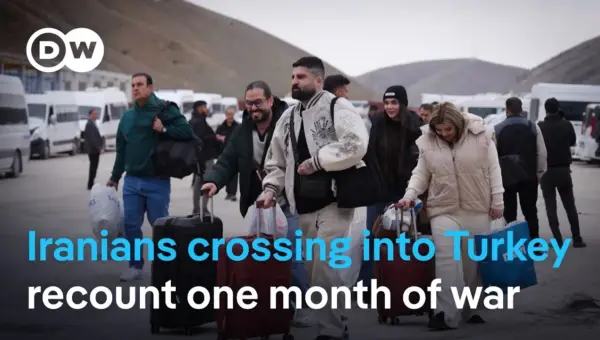
Iran War Exodus: Refugees Flee to Turkey Amidst Bombings
A train from Tehran brings refugees to Turkey, fleeing daily bombings and economic collapse. Many express deep fear for loved ones left behind, while some hold onto national pride and hope for victory. The conflict's impact is also felt economically in Turkey, with rising gas prices.


Israel Escalates Iran Strikes, Warns of Wider War
Israel has launched significant strikes inside Iran following continued missile fire, warning of further escalation. The conflict risks wider regional instability and economic disruption, especially concerning the Strait of Hormuz.