Iran War Escalates: Netanyahu Seeks Regime Change, Not Peace
The Middle East conflict intensifies as Israeli Prime Minister Benjamin Netanyahu reportedly seeks regime change in Iran, not peace. U.S. President Donald Trump claims negotiations are underway, but Iran denies this, while economic pressures and deterrence remain key Iranian concerns. The situation remains highly volatile with potential talks on the horizon.

Middle East Tensions Mount Amid Conflicting Goals
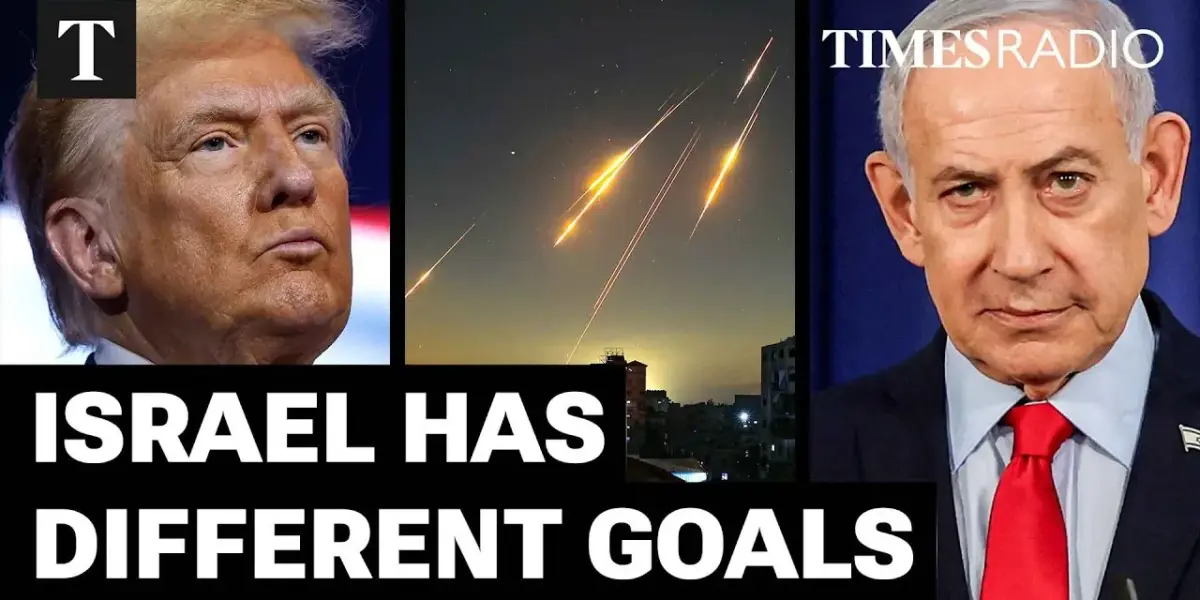
The conflict in the Middle East shows no signs of peaceful resolution, despite recent diplomatic efforts. While U.S. President Donald Trump has suggested negotiations are underway with Iran, offering a five-day deadline for a peace deal, Iranian officials have denied these claims. Meanwhile, Israeli Prime Minister Benjamin Netanyahu reportedly desires a complete regime change in Iran, aiming to weaken the nation and prevent future threats.
U.S. Offers Peace Deal, Iran Denies Negotiations
President Trump recently announced a perceived breakthrough, stating that negotiations with Iran have begun and urging the Iranian regime to sign a peace deal within five days. He also asserted that the Strait of Hormuz would be jointly controlled, potentially involving the Ayatollah. However, Iran has vehemently denied these assertions, creating a confusing diplomatic landscape. Trump’s actions appear to be influenced by global economic pressures, particularly concerning oil and gas prices, which have been impacted by Iran’s actions in the Strait of Hormuz.
“Essentially what Iranians have done with the closing of the Hormuz has given them real leverage as far as oil and gas prices in the world. That’s putting pressure both global pressure on the U.S. side but also domestic pressure among Americans.”
Nigar Mortis, Iranian-American Journalist
Iran’s Stance: Deterrence and Economic Pressure
According to Nigar Mortis, an Iranian-American journalist based in Doha, Iran’s perspective on the conflict is driven by two primary concerns: battlefield deterrence and economic strategy. After experiencing what they perceived as weakness in past conflicts, Iranians aim to inflict enough damage to establish a strong deterrent, preventing future attacks. This strategy comes at a high cost, with significant devastation in parts of the country. Iran seeks to avoid becoming another Gaza, Lebanon, or Syria, where it feels vulnerable to repeated attacks.
Economically, Iran is under strain due to U.S. sanctions. By disrupting the Strait of Hormuz, Iran aims to exert pressure on the global economy. They are also exploring options for charging passage fees and seeking sanctions relief. Notably, Iran has recently gained partial relief for its oil sales, an outcome it could not achieve through diplomacy but is now obtaining during wartime.
Netanyahu’s Goal: Regime Change
In stark contrast to any potential U.S. desire for de-escalation, Israeli Prime Minister Benjamin Netanyahu is reported to be pursuing a different objective. “I don’t think the Israeli prime minister wants an end to this war,” Mortis stated. “He wants full-on regime change. He wants to potentially turn Iran into a failed state, a weak state that doesn’t pose any form of threat to Israel or at least a weak enough state that he can attack again and again.” This fundamental difference in goals between Israel and the U.S. presents a significant challenge for any U.S.-led peace initiative.
Potential Diplomatic Moves and Israeli Warnings
Reports suggest that the U.S. and Iran might hold talks in Islamabad, Pakistan, as soon as this week. Some speculate that Vice President JD Vance could be involved, which would signal increased seriousness from Washington. Vance’s potential involvement could also be aimed at appealing to the anti-war wing of the Republican party. However, these potential talks occur alongside continued Israeli strikes against Iran, including targeting the headquarters of Iran’s Islamic Revolutionary Guard Corps. Iran has warned of “special plans” for Israel and its allies, further heightening regional tensions.
A Complex Triangle of Conflict
The conflict involves a complex dynamic between Iran, the U.S., and Israel. While Trump and Iran may seek an end to hostilities on their own terms, Netanyahu’s objective of regime change complicates matters. Mortis explained, “So I think while while we hear these talks of negotiations, we also hear that Israel has intensified attacks and escalated and the Iranians always respond as well, not just with attacks on Israel but also across the region.” This interconnected escalation makes a comprehensive ceasefire, which would also include allies like Hezbollah in Lebanon, a difficult proposition.
Looking Ahead: The Path to De-escalation
The coming days will be crucial in determining the trajectory of the conflict. Whether the reported talks in Islamabad materialize and what outcomes they produce remain to be seen. The ability of President Trump to align U.S. and Israeli objectives will be key to achieving any lasting ceasefire. Meanwhile, the ongoing military actions and retaliatory strikes underscore the volatile nature of the situation, with significant implications for regional stability and global energy markets.
Source: Netanyahu Doesn’t Want To End The War In Iran (YouTube)

Related Articles

US Strikes Cripple Iran’s Military Might, CENTCOM Reports
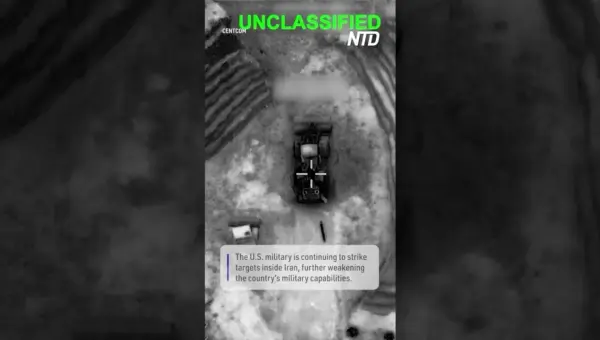
U.S. Central Command reports ongoing strikes inside Iran are significantly weakening its military power. This direct action aims to reshape regional security dynamics, but carries risks of escalation. The long-term impact depends on Iran's response and ability to adapt.


Iran Targets US With Cyberattacks, Escalating Digital Warfare
Iran is increasingly using cyberattacks to challenge the U.S., as seen in a recent hack of the FBI director's account. Experts say this is a strategic shift due to Iran's limitations in conventional warfare. The U.S. needs to strengthen its digital defenses, focusing on encryption and cloud computing, rather than solely relying on traditional security measures.

Iran Hacks FBI Chief, Exposing U.S. Cyber Vulnerabilities
A recent hack of FBI Director Kash Patel's personal email by an Iran-linked group highlights Iran's growing cyber threat to the U.S. Experts explain how simple security oversights are exploited, emphasizing the need for basic defenses like two-factor authentication to protect against propaganda and potential infrastructure attacks.