Iran War Escalates: Intel Chiefs Face Scrutiny Over Threat Claims
U.S. intelligence chiefs faced scrutiny over Iran's nuclear capabilities and the justification for military strikes amid escalating conflict. Questions arose about whether Iran posed an "imminent threat," with one intelligence director omitting key details from her statement. The situation intensifies as diplomatic efforts to secure the Strait of Hormuz stall and the Federal Reserve holds interest rates steady due to inflation concerns.

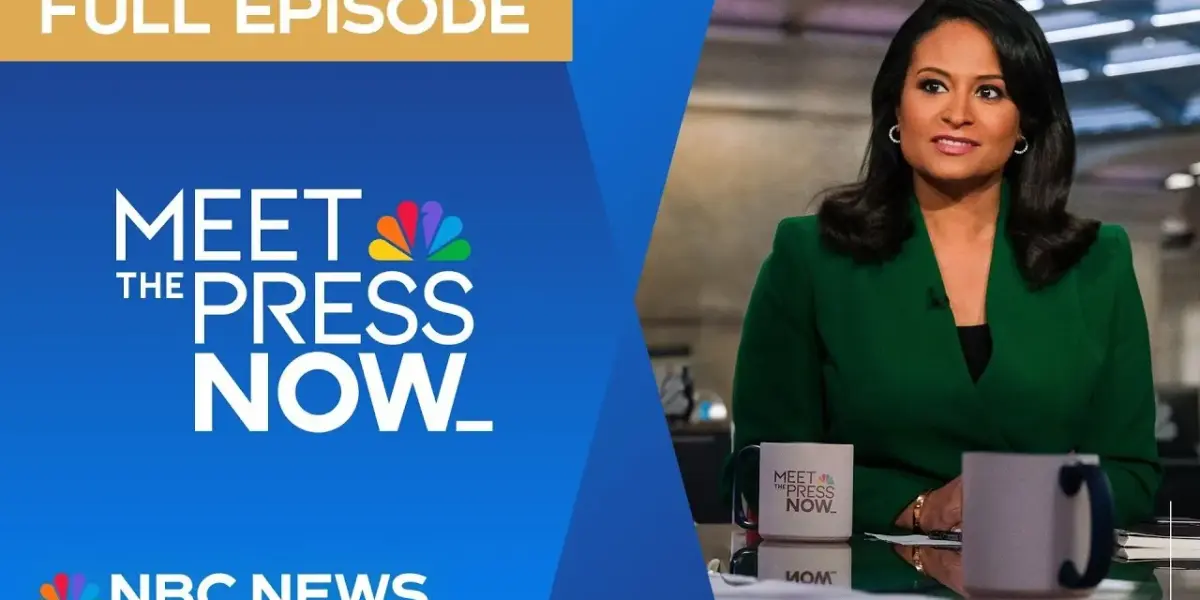
Intelligence Chiefs Questioned Amid Intensifying Iran Conflict
Top U.S. intelligence officials faced tough questions on Capitol Hill regarding Iran’s nuclear capabilities and the justification for recent military strikes. The ongoing conflict shows no signs of de-escalating, with the critical Strait of Hormuz remaining a focal point of tension.
Nuclear Capabilities and ‘Imminent Threat’ Doubts
During a worldwide threats hearing, Director of National Intelligence Tulsi Gabbard’s prepared statement noted that Iran’s nuclear enrichment program was “obliterated” last summer and has not been rebuilt. However, she omitted this detail during her oral remarks, drawing criticism from some Democratic senators. They pressed Gabbard on whether Iran posed an “imminent threat,” a claim used by the administration to justify military actions.
Senator: “You omitted that paragraph from your oral opening. Was that because the President had said there was an imminent threat two weeks ago?”
Director Gabbard: “No, sir. I recognize that the time was running long, and I skipped through some of the portions.”
Senator: “You chose to omit the parts that contradict the President.”
The exchange highlighted a growing divide over the intelligence used to frame the conflict. When pressed directly on whether the intelligence community assessed an “imminent nuclear threat” from Iran, Gabbard deferred, stating, “The only person who can determine what is and is not an imminent threat is the President.” This response drew a sharp rebuke from senators who stressed the importance of timely, objective intelligence independent of political considerations.
Resignation and Disagreement Over Threat Assessment
The hearing also followed the resignation of Joe Kent, Director of National Counterterrorism Center, who reportedly cited disagreements over the war and stated Iran did not pose an imminent threat. CIA Director John Ratcliffe directly disagreed with Kent’s assessment when questioned by senators.
Senator: “Yesterday, the head of the National Counterterrorism Center resigned, saying that Iran did not represent an imminent threat to the United States. Is there anything to…”
Director Ratcliffe: “No. In fact, the intelligence reflects the contrary.”
Senator: “So you disagree with Mr. Kent?”
Director Ratcliffe: “I do.”
Escalation on the Ground and Diplomatic Strains
The conflict continues to intensify. U.S. forces recently used bunker-buster bombs to strike Iranian missile sites near the Strait of Hormuz. Meanwhile, Israel reported killing Iran’s Intelligence Minister, an act Iran’s president condemned as “cowardly assassinations.” In retaliation, Iran fired cluster munitions over Tel Aviv.
Courtney Kube, NBC News Senior National Security Correspondent, explained the significance of the strike near the Strait of Hormuz.
“This addresses what has become the biggest issue right now, and that is the Strait of Hormuz. And the fact that it remains closed… When you look at it from the operational side, this was a win. This was a big win. But it’s not going to make an immediate difference in reopening the Strait.”
Kube noted that Iran still possesses drones, mines, and fast boats capable of threatening shipping, even after the U.S. strikes. The U.S. has been attempting to build a coalition to help secure the Strait, but as of Wednesday, no allies had publicly committed to joining. The administration expressed frustration, with the President suggesting the U.S. could act alone.
White House Messaging and Allied Relations
Garrett Haake, NBC News White House Correspondent, reported on the evolving messaging from the White House regarding the Strait of Hormuz.
Haake: “The President suggesting that others should be responsible for it, perhaps people who are more dependent on energy that is exported through it will come in and police it.”
He added that this stance comes after days of shifting positions, highlighting the difficulty of the situation and the reluctance of nations to become involved militarily. The situation has also strained relations with allies, with some questioning the administration’s approach to diplomacy and coalition-building.
Internal Divisions and Confirmation Hurdles
The war effort has also seen internal debate. Vice President J.D. Vance, initially seen as a skeptic, has publicly aligned with the President’s decisions. “I guarantee the President, United States is not interested in getting us, you know, in the kind of long-term quagmires that we’ve seen in years past,” Vance stated.
Separately, a key hurdle emerged for the President’s nominee for Secretary of Homeland Security, Senator Markwayne Mullin. Senator Rand Paul, Chairman of the Senate Homeland Security Committee, announced he would vote no on Mullin’s confirmation, citing concerns about Mullin’s temperament and past remarks. “A guy who brawls, a guy who can’t even say he’s sorry about, you know, wishing violence on me and really applauding the attack that happened on me. I don’t know how he could, from my point of view, be a leader of ICE or Border Patrol,” Paul said.
Economic Uncertainty and Federal Reserve’s Stance
The conflict’s economic impact is also a growing concern. Federal Reserve Chair Jerome Powell stated that the central bank does not yet know the full extent to which the war could affect the U.S. economy. Despite pressure from the President to lower interest rates, the Fed decided to keep them steady, citing persistent inflation.
Powell: “The implications of events in the Middle East for the U.S. economy are uncertain. In the near term, higher energy prices will push up overall inflation, but it is too soon to know the scope and duration of the potential effects on the economy.”
Wholesale inflation data released earlier in the week, mostly collected before the conflict began, showed a higher-than-expected rise. The stock market reacted negatively to the Fed’s decision and the ongoing economic uncertainty, with the Dow Jones Industrial Average falling significantly.
Looking Ahead
As the conflict in Iran continues to escalate, attention will remain focused on intelligence assessments, diplomatic efforts to secure the Strait of Hormuz, and the broader economic implications. The upcoming confirmation vote for the DHS Secretary nominee and the Federal Reserve’s future actions on interest rates will also be closely watched.
Source: Meet the Press NOW – March 18 (YouTube)

Related Articles
Trump Halts Iran Strikes Amid Stalled Diplomacy
President Trump announced a pause on planned strikes against Iran, citing productive talks, though Iran denies negotiations occurred. Reports also suggest a potential U.S. ground operation on Iran's Hark Island. The situation raises concerns about international support for Ukraine and potential shifts in U.S. foreign policy.


Americans Rally for Democracy Amidst War and Economic Woes
Thousands of Americans are participating in "No Kings" rallies nationwide, demanding accountability from leaders and drawing parallels to historical movements that spurred significant change. The protests occur amidst a controversial war with Iran, economic uncertainty, and a partial government shutdown. Organizers emphasize solidarity, joy, and the power of collective action in defending democracy.
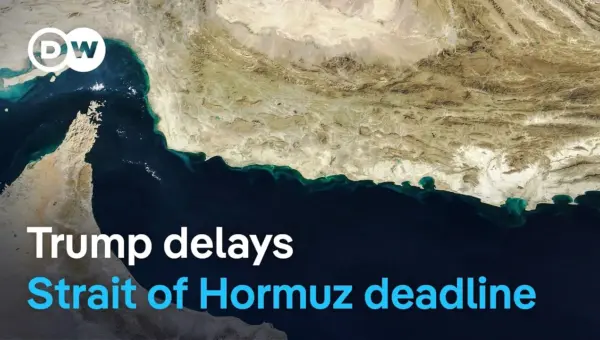
Trump Delays Iran Strike Deadline Amidst Shifting Diplomacy
President Donald Trump has extended his deadline for potential strikes on Iranian energy plants to April 6th, amid reports of U.S.-Iran diplomatic talks mediated by Pakistan. This move comes as Israel continues its strikes on Iran and the U.S. deploys additional military assets to the region. Analysts point to mixed signals, economic pressures, and strategic miscalculations as key factors shaping the evolving situation.