Iran War Escalates, Allies Join Fight for Strait of Hormuz
The conflict in the Middle East intensifies as Iran faces expanded strikes from Israel and retaliatory attacks across the region. The U.S. deploys thousands more troops and offers a 15-point deal, while the Houthis of Yemen join the fray with a missile attack on Israel. Allies are preparing to help secure the vital Strait of Hormuz.

Iran War Escalates, Allies Join Fight for Strait of Hormuz
Four weeks into a major conflict, the Middle East is seeing increased fighting and new alliances forming. The United States is sending thousands more troops to the region. This includes about 1,000 soldiers from the 82nd Airborne and 5,000 Marines and sailors. This military buildup shows how serious the situation has become. The conflict, called Operation Epic Fury, has already injured over 300 U.S. service members. Most injuries have been minor, and many soldiers have returned to duty. However, these numbers highlight the real dangers on the ground.
Israel Strikes Iran, Iran Retaliates
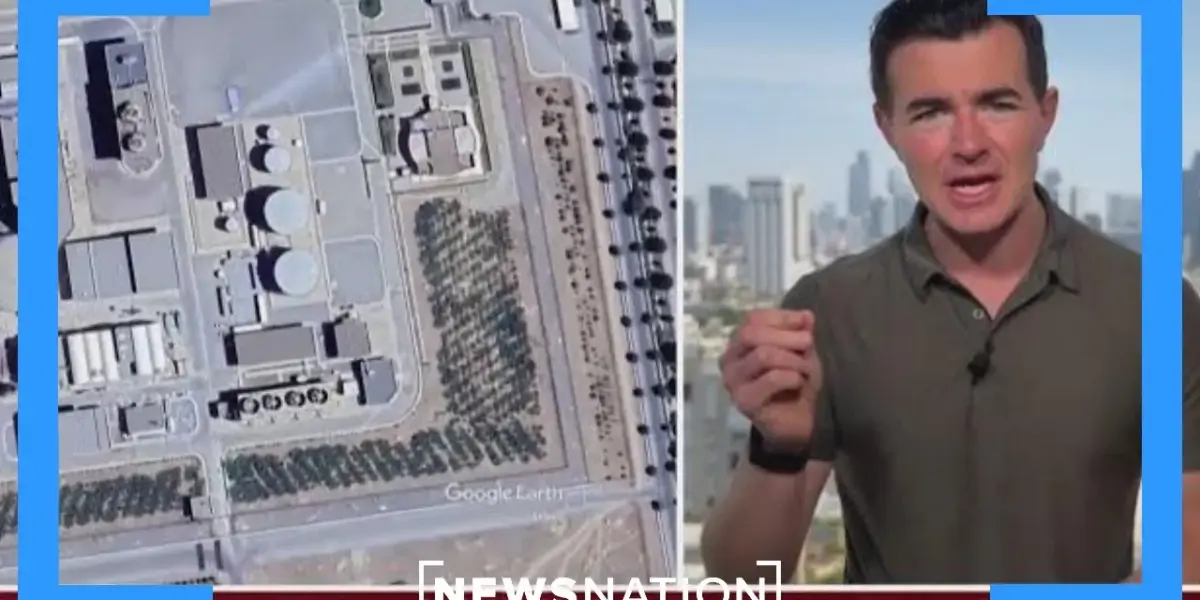
Israel has expanded its attacks on Iran. Over the past 24 hours, Israel carried out large-scale strikes. These hit a heavy water facility important for nuclear production. They also targeted a uranium extraction plant and parts of the steel industry. Manufacturing plants for ballistic missiles were also struck. These actions have caused anger in Iran. Iran has promised to retaliate strongly. Early this morning in Tel Aviv, a retaliatory strike killed one person and injured four others. Attacks were also reported in Abu Dhabi, injuring six people, and in Oman, injuring one more. Radar systems at Kuwait International Airport also sustained damage. Iran’s retaliation is spreading in different directions.
U.S. Offers Deal, Allies Step In
Despite the escalating conflict, the White House remains focused on diplomacy. President Trump has extended a deadline for Iran to reopen the Strait of Hormuz. This pause in striking Iranian infrastructure is meant to allow negotiations to succeed. The U.S. has presented a 15-point plan to Iran. Special Envoy Steve Witkoff expects an answer from Tehran soon. Mediators from Turkey, Egypt, and Pakistan are passing messages between the two capitals. More than 20 countries have now expressed willingness to help secure the Strait of Hormuz. While specifics of their involvement are still unclear, allies are showing a greater understanding of the need for action. France’s Foreign Minister stated that an escort system will be needed to ensure ship safety once hostilities decrease. Allies have not yet been instructed to begin escorts, as the situation remains dangerous. However, they expect to start once the fighting calms down.
Houthis Join the Fight
A new group has entered the conflict: the Houthis from Yemen. They have claimed responsibility for a missile attack on Israel this morning. The Israeli Defense Forces (IDF) reported intercepting the missile. This marks the Houthis’ first direct action since Operation Epic Fury began. Their involvement threatens to create more instability in the Red Sea and disrupt shipping routes. This makes the regional situation even more complex.
Global Impact and Future Scenarios
The ongoing conflict and expanding alliances are reshaping the global order. The Strait of Hormuz is a critical waterway for global oil supplies. Any disruption there can cause significant economic problems worldwide. The involvement of the Houthis adds another layer of complexity, potentially drawing in more regional actors. The U.S. strategy appears to be a mix of military pressure and diplomatic engagement. The 15-point plan offered by the U.S. will be key to de-escalation. If Iran accepts the deal, tensions might ease. However, if negotiations fail, the conflict could spread further. The increased military presence of U.S. forces and the willingness of allies to participate suggest a strong commitment to maintaining stability. The coming weeks will be crucial in determining whether diplomacy or further conflict will define the region’s future.
The situation in the Middle East is highly volatile, with diplomatic efforts underway amidst escalating military actions. The involvement of multiple actors and the strategic importance of the Strait of Hormuz make this a critical juncture for regional and global security.
Source: One month of war in Iran | Morning in America (YouTube)

Related Articles

Trump’s ‘Loser’ Comments Reveal Deep Insecurity, Risky Foreign Policy
Donald Trump's controversial "loser" comment reveals a deep insecurity driving his foreign policy, leading to poorly planned actions like the escalating Iran crisis. This pattern of surrounding himself with less capable individuals, rather than challenging experts, poses significant risks for international stability and suggests a dangerous approach to critical global decisions.

Iran Escalates Global Conflict, Threatens World Economy
Yemen's Houthi rebels have officially joined the conflict, launching ballistic missiles at Israel and escalating regional tensions. This move threatens vital shipping lanes like the Red Sea's Bab al-Mandab strait, potentially causing catastrophic economic consequences. Meanwhile, US soldiers have been injured in Iranian missile strikes, adding to the mounting human and financial costs of the escalating war.


Trump’s Iran Claims: Shocked or Deluded by War Games?
Donald Trump claimed surprise over Iran's actions in the Strait of Hormuz, but experts suggest retaliation was inevitable. Military war games likely predicted such a scenario, raising questions about the advice given to the President.