Iran War Escalates: Allies Flee, US Faces Mounting Casualties
A French soldier's death in Iraq marks a grim escalation, highlighting alleged strategic miscalculations by the Trump administration and growing regional instability. The US faces its own mounting casualties and a credibility gap amid escalating Iranian strikes and allied discontent.

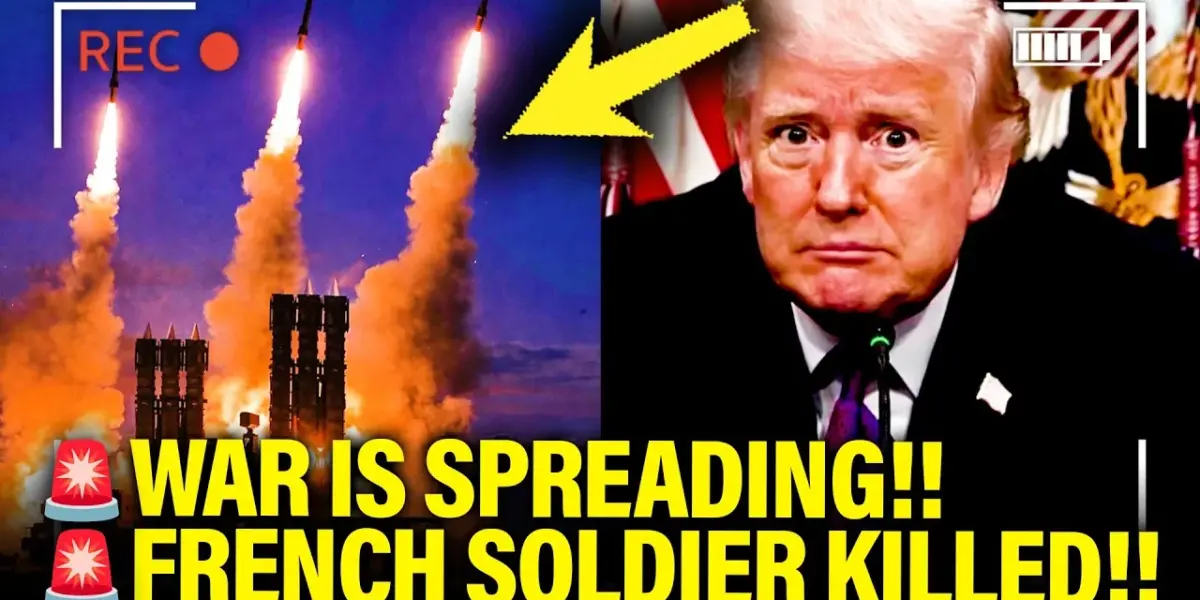
A Deadly Escalation in the Middle East
The geopolitical landscape is fraught with peril as the conflict involving Iran intensifies, leading to the tragic death of a French soldier and raising serious questions about the United States’ strategy under the Trump administration. An Iranian drone attack on a joint French-Peshmega base in northern Iraq has resulted in the death of Chief Warrant Officer Arnon Fion and wounded six other French soldiers. This incident, occurring in the Aril region, marks a grim milestone in the escalating regional tensions.
US Faces Own Casualties and Unanswered Questions
Adding to the gravity of the situation, reports indicate that six American crew members are missing following an incident involving a KC-135 Stratotanker over western Iraq. While the Trump administration claims the event did not involve hostile fire, the lack of transparency and the inherent dangers of such aircraft—lacking ejection systems—fuel speculation and concern for the missing personnel. The administration’s assertion of a search and rescue mission is juxtaposed with the inherent difficulty of survival in the event of a crash, particularly for a refueling aircraft.
The Trump regime is not providing any clarity.
Iran’s Bold Strikes and Strategic Miscalculations
The conflict has seen Iran demonstrate a willingness to strike at perceived US interests directly. The Iranian Revolutionary Guard Corps (IRGC) claims to have struck the US Fifth Fleet headquarters in Bahrain, alleging damage to anti-drone systems, drone storage, and personnel areas. This assertion, if accurate, signifies a significant escalation in Iran’s operational capabilities and its intent to challenge US naval presence in the region.
Furthermore, a CNN report suggests a critical underestimation by the Pentagon and National Security Council regarding Iran’s resolve to disrupt the Strait of Hormuz in retaliation for US military actions. Officials reportedly believed that the economic impact on Iran would deter such a move, failing to anticipate Iran’s ability to continue oil exports and its willingness to target other vessels transiting the vital waterway. Reports indicate that at least a dozen ships have been hit, with several incidents occurring in recent days, including a US fuel tanker incident during a ship-to-ship transfer off the coast of Iraq.
Broader Regional Impact and International Concerns
The conflict is not confined to US-Iran dynamics. Reports highlight powerful explosions in Tehran and other Iranian cities, attributed to joint US-Israeli strikes. In Lebanon, residents describe the devastating impact of Israeli bombings, particularly in southern suburbs, leading to widespread destruction and displacement. The collateral damage and humanitarian toll in these regions raise profound ethical and political questions.
Adding to the complex web of international involvement, the US has reportedly expanded relief from Russian oil sanctions, allowing more countries to purchase Russian crude. This move, framed by Treasury Secretary Steven Mnuchin as part of a deliberate plan, has been met with skepticism, with critics suggesting it reflects panic in the market rather than strategic foresight and has not led to lower oil prices.
Propaganda vs. Reality: A Disconnect in Communication
A stark contrast emerges between the official narrative and the on-the-ground realities. While Pentagon spokesperson Sean Parnell touts US dominance with slogans like “Operation Epic Fury, winning,” the administration faces criticism for disseminating what some perceive as juvenile propaganda. This is particularly galling given the ongoing uncertainty surrounding the missing US service members and the reported injured personnel being medevaced from Saudi Arabia to Germany.
The use of a dignified transfer photo, depicting fallen soldiers, in fundraising appeals by Donald Trump, coupled with promises of “secret security briefings” to small-dollar donors, has drawn sharp condemnation. Critics argue this exploits national security and the sacrifices of service members for political gain, especially when the public is not receiving transparent updates.
Melania Trump’s Vision and Shifting Alliances
Amidst the escalating conflict, Melania Trump has described herself as a “visionary,” emphasizing a long-term, focused approach to success. Her comments, made in the context of her film production and various roles, stand in contrast to the immediate crisis unfolding in the Middle East.
The regional sentiment towards the Trump administration appears to be one of growing frustration. Sources close to Gulf Arab governments suggest private discontent over being drawn into a conflict shaped by Israel, with perceived hasty decision-making and insufficient consideration of allied fallout. This discontent is reportedly leading some Arab nations to consider alternative security arrangements, even with Iran.
The IRGC has issued a stern warning, demanding the swift withdrawal of American soldiers from the region, threatening to bury them wherever they are. This rhetoric, combined with the strategic shifts and rising casualties, paints a picture of a volatile and unpredictable regional dynamic.
Why This Matters
The escalating conflict in the Middle East, characterized by the death of a French soldier, missing US personnel, and Iran’s assertive strikes, highlights critical issues of strategic planning, international cooperation, and transparent communication. The alleged underestimation of Iran’s resolve and the apparent disconnect between official pronouncements and the realities on the ground raise serious concerns about the efficacy and human cost of the current US foreign policy approach. The potential for regional instability, the impact on global energy markets, and the ethical implications of exploiting national security for political fundraising are paramount. The situation underscores the need for clear, honest communication with the public and allies, a nuanced understanding of regional dynamics, and a foreign policy that prioritizes de-escalation and stability over potentially reckless confrontation.
Implications, Trends, and Future Outlook
The current trajectory suggests a deepening quagmire in the Middle East. The increasing casualties and the willingness of regional actors to engage in direct confrontation signal a dangerous escalation. The trend of allies expressing frustration and potentially seeking alternative security arrangements could lead to a fracturing of existing alliances and a more fragmented regional security architecture. The future outlook is uncertain, but it points towards continued volatility, potential for further military engagements, and a prolonged period of heightened geopolitical tension. The economic implications, particularly concerning oil supply and pricing, will remain a significant concern.
Historical Context and Background
The current conflict echoes historical patterns of regional instability, proxy conflicts, and the complex interplay between major global powers and Middle Eastern nations. Decades of intervention, shifting alliances, and the persistent threat of terrorism have created a volatile environment. The Strait of Hormuz, a critical chokepoint for global oil supply, has historically been a focal point of tension and a potential trigger for wider conflict. The current events are unfolding against this backdrop, with the Trump administration’s policies potentially exacerbating long-standing grievances and creating new flashpoints.
Source: Trump PANICS as FRANCE SOLDIER is KILLED IN WAR!!! (YouTube)

Related Articles
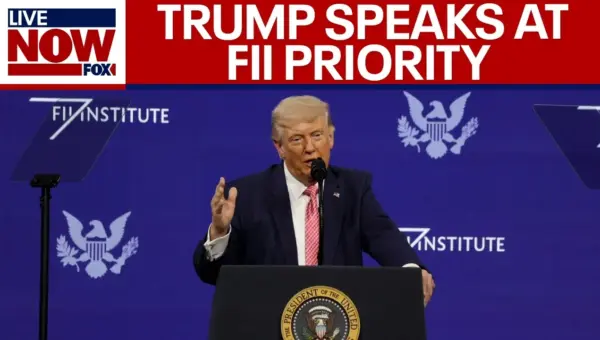
Trump Boasts Military Might, Slams Iran at Investment Summit
Former President Donald Trump spoke at the FII Priority Summit, detailing his administration's assertive stance against Iran and emphasizing the strength of the U.S. military. He claimed credit for dismantling Iran's military capabilities and preventing its nuclear ambitions. Trump also criticized NATO while praising Middle Eastern allies and touched on domestic issues like border security.
Pentagon Weighs 10,000 Troops for Iran Showdown
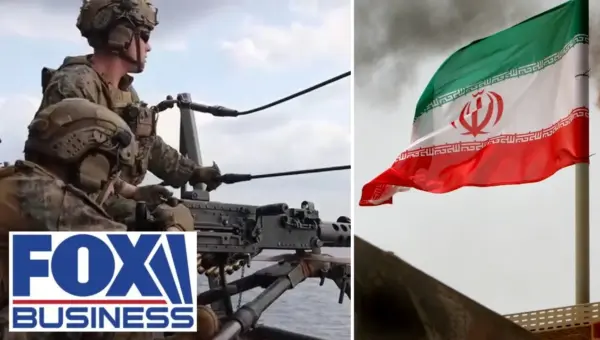
The Pentagon is reportedly weighing a significant troop increase of 10,000 soldiers to the Middle East, potentially escalating tensions with Iran. This move comes amid reports of U.S. precision strikes and interceptions of Iranian missiles by allies, raising concerns about regional stability and global oil supplies.

Iran Strikes US Base: Are We Learning from Mistakes?
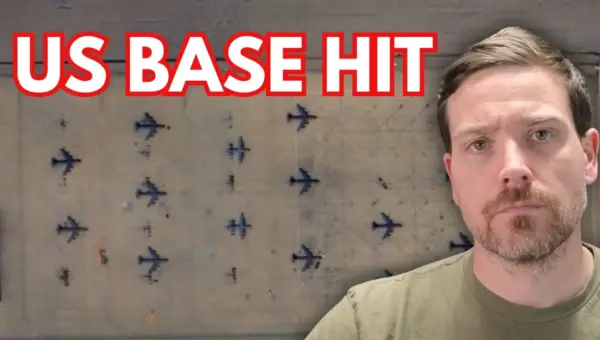
A recent Iranian drone and missile attack wounded American service members and damaged aircraft in Saudi Arabia. This incident highlights concerns about military preparedness and the failure to learn from past mistakes, as exposed aircraft remain vulnerable targets. The ongoing conflict involves complex regional dynamics, including Iran's missile capabilities and the potential involvement of groups like the Houthis, raising questions about future stability.