Iran War Escalates: 14 Days of Conflict, Global Impacts Felt
The war with Iran has entered its 14th day with no signs of slowing down, as missile strikes continue to hit the region and global economic impacts escalate. Key infrastructure, including oil tankers, are under attack, while diplomatic and military tensions rise. US military aircraft have also been involved in an incident in Iraq.

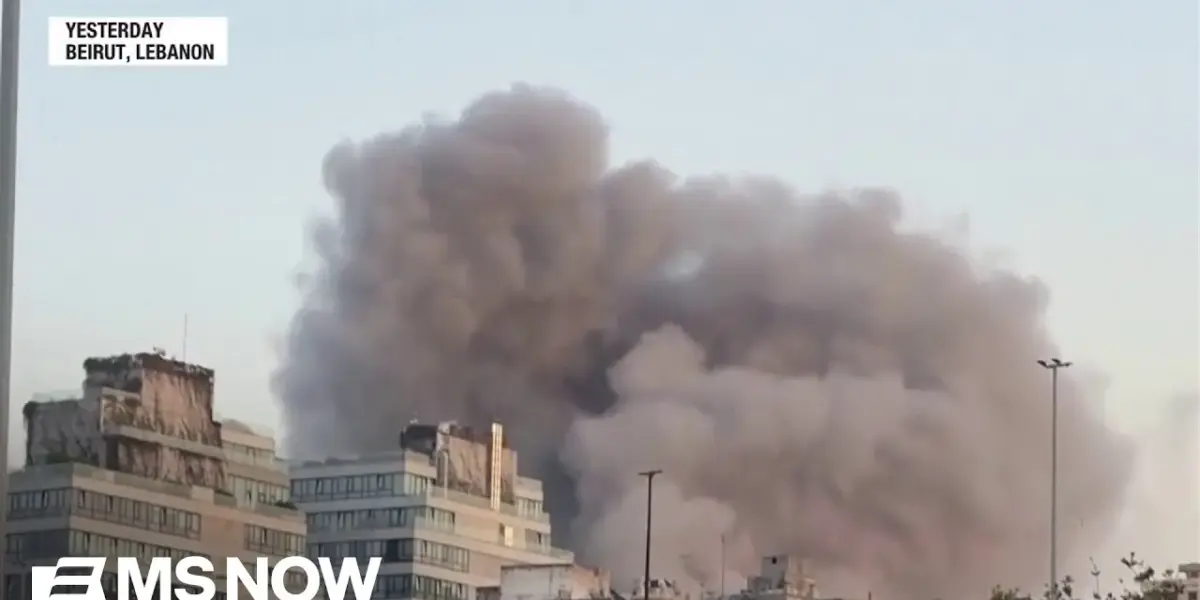
Iran Conflict Enters Critical Phase as Attacks Intensify
The war between Iran and a regional coalition has entered its 14th day with no signs of de-escalation, as missile strikes continue to pummel the region and the economic fallout intensifies. Thick black smoke was observed billowing over skyscrapers in Dubai on Wednesday morning after authorities reported that air defenses intercepted a projectile, sparking a blaze. This incident is one of many attacks Iran has launched across the region. Saudi Arabia reported downing dozens of drones in the early hours of Wednesday, while northern Israel has sustained damage from missile strikes causing extensive destruction.
Economic Lifelines Under Fire: Oil Infrastructure Targeted
Iran’s continued targeting of oil and energy infrastructure is creating significant global economic repercussions. A New York Times analysis reveals that at least 16 oil tankers, cargo ships, and other commercial vessels have been attacked in the Persian Gulf since the conflict began. This disruption to vital shipping lanes is a key concern for global energy markets.
Israel Strikes Deep into Iran, Netanyahu Eyes Regime Fall
In response to the ongoing attacks, Israel’s air force has ramped up its operations, reporting strikes on over 200 targets in western and central Iran within the past day. The bombardment of Beirut has also intensified, with smoke seen near the Lebanese government’s headquarters and in areas populated by schools and businesses. Israeli Prime Minister Benjamin Netanyahu stated on Tuesday that his country’s actions are creating “optimal conditions for the fall of Iran’s government,” adding his belief that “a regime is toppled from within.”
US Military Aircraft Incident in Iraq, Presidential Rhetoric Heats Up
Amidst the escalating regional conflict, a U.S. Air Force refueling aircraft crashed in western Iraq. The status of the crew is currently unknown, and rescue efforts are underway. The military has stated the crash was not a result of hostile fire. This incident marks the fourth publicly acknowledged aircraft crash associated with the war; three fighter jets were previously downed by friendly fire in Kuwait. Meanwhile, U.S. President Donald Trump issued a stern warning to Iran’s leaders overnight via social media, stating, “Watch what happens to these deranged scumbags today.” He also referred to the potential toppling of the Iranian regime as a “great honor.” President Trump has been dismissive of rising oil prices, noting that the U.S., as the world’s largest producer, benefits financially from price increases.
Life in Jerusalem Amidst War: A Ghost Town Under Wartime Restrictions
Reporting from Jerusalem, the mood is somber, with the Old City described as a “ghost town.” Shops remain closed, and key religious sites like the Church of the Holy Sepulchre and Al-Aqsa Mosque are inaccessible. These closures, along with a ban on gatherings of more than 50 people, are part of extended wartime restrictions. The city experienced a missile landing near the Western Wall a few days prior, an event that has deeply alarmed residents, as Jerusalem is typically not a direct target. The situation is compounded by the fact that Wednesday marks Quds Day, an Iranian-initiated day of protest against Israel and solidarity with Palestinians, though large-scale public demonstrations are unlikely due to the restrictions.
Potential Ground Incursion into Lebanon, Diverging US-Israel Goals
The conflict with Hezbollah in Lebanon continues, with Israeli Defense Minister suggesting that if Lebanon does not prevent Hezbollah attacks, Israel may take territory itself, hinting at a potential ground incursion. Tanks have been observed moving towards the northern border. There is a noted divergence in the long-term goals between the U.S. and Israel regarding the conflict, with Israeli officials expressing a desire for an open-ended operation aimed at toppling the Iranian regime, a stance that may create future divisions with the U.S. Despite the ongoing war, there is widespread public support for the conflict within Israel, with many viewing it as a critical opportunity.
Global Supply Chains Threatened: Helium Shortages Loom
Beyond the immediate geopolitical concerns, the closure of the Strait of Hormuz is having significant ripple effects on global supply chains, particularly in the tech sector. While crude oil is the most obvious impact, the disruption also affects the supply of helium, a critical component in semiconductor manufacturing. Qatar, a major global supplier of helium, is experiencing hindered exports, which South Korean officials warn could impact future chip supply. This highlights how the conflict’s reach extends far beyond the battlefield, impacting industries like technology and artificial intelligence.
Dissonance of Daily Life Amidst Global Conflict
In areas like Dubai, life has largely continued with adjustments. Despite missile interceptions and attacks, many residents continue to work, with delivery drivers classified as essential workers by the UN International Labour Organization. However, there is a palpable sense of dissonance between the ongoing large-scale conflict playing out on screens and the attempts of individuals to maintain their daily routines. While missile alert and defense systems have largely protected the population, resulting in limited fatalities and injuries in the UAE, the psychological impact of living amidst such a volatile situation, coupled with tracking the global economic ripple effects, presents a significant challenge.
Looking Ahead: Uncertainty and Potential for Further Escalation
As the war enters its third week, the situation remains highly volatile. The potential for a ground incursion into Lebanon, coupled with ongoing diplomatic and military pressures on Iran, suggests that the conflict could continue for an extended period. The diverging strategic objectives between Israel and the U.S. will likely be a key factor to monitor, as will the continued impact on global energy and technological supply chains. The world watches closely for further developments and potential surprises as the conflict unfolds.
Source: War with Iran enters its 14th day (YouTube)

Related Articles

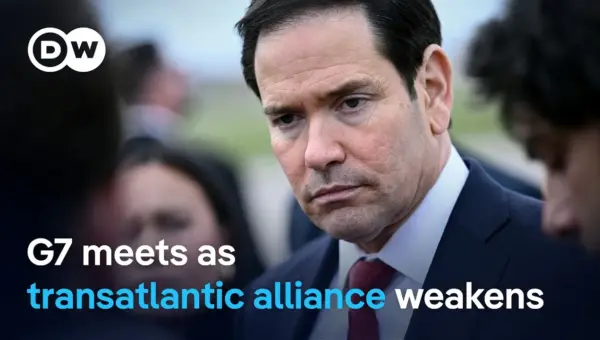
G7 Allies Clash Over Iran War Strategy, Urge Focus on Russia
G7 foreign ministers met in Paris, revealing deep divisions over the U.S. war with Iran. European allies urged the U.S. to pressure Russia, linking its actions to the conflict and fearing support for Ukraine will wane.

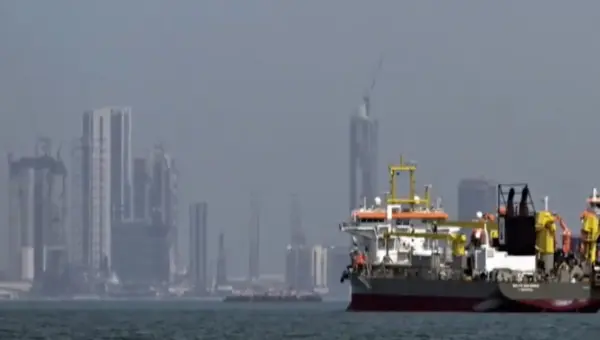
Iran Blocks China Ships, Exposing Beijing’s Weak Grip
Iran's recent decision to block Chinese ships at the Strait of Hormuz is exposing the limits of Beijing's influence in the Middle East. This action is causing delays and cancellations for Chinese manufacturers, turning a perceived geopolitical win into an economic strain.
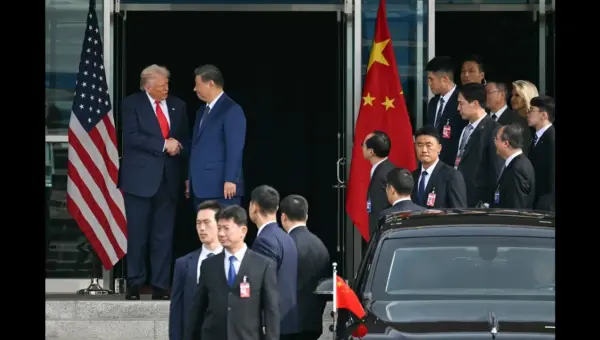
Trump’s “Walk Away” Tactic Signals Tougher Stance on China
Retired Air Force Brigadier General David Stillwell believes President Trump's strategy of being willing to walk away from negotiations puts pressure on China. This tactic, combined with US global actions and strengthened alliances, signals a more assertive American foreign policy.